How Scalp Health Affects Hair Growth
Healthy hair starts at the root, and the root begins with the scalp. When your scalp is balanced, clean, and well-nourished, hair follicles can produce strong, vibrant strands. That's why scalp care is more than just a niche topic; it's a key part of modern hair wellness. If you're exploring protective styling or just regular maintenance, services like professional hair wash and knotless braids can support healthier styling habits when paired with the right scalp routine.
Recent research and salon trends keep reinforcing one message: scalp health visibly affects hair growth. A scalp overloaded with oil or buildup can make it hard for follicles to thrive. In contrast, a clean and balanced scalp supports a healthier growth cycle and improved comfort. According to Johns Hopkins Medicine, about 90% of scalp hair is in the active growth phase at any given time, and each strand can grow for two to six years before entering a resting cycle. For more details, check out Johns Hopkins Medicine.
In this guide, you'll learn how scalp conditions influence growth, the latest scalp-care trends, how to build better habits at home, and when professional support can make a difference. If you wear braids, twists, wigs, or other protective styles, you'll find practical advice for keeping your scalp healthy without sacrificing style.
Why the Scalp Is the Foundation of Hair Growth
Hair follicles need a healthy environment.
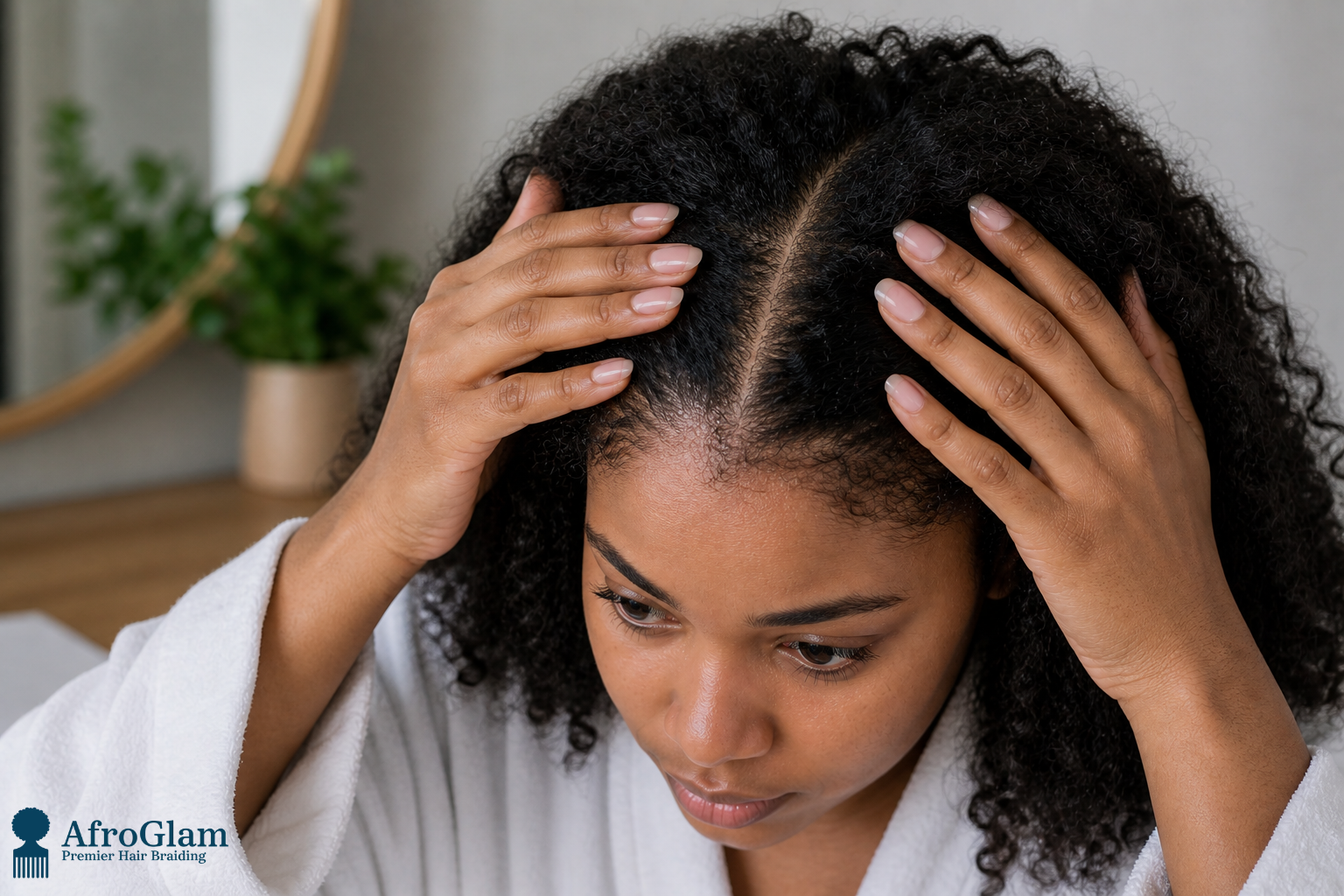
Every hair strand grows from a follicle in the scalp. These follicles need the right environment to do their job well. If the scalp is too dry, oily, irritated, or clogged with buildup, follicles may struggle to produce strong strands. A healthy scalp supports a consistent growth cycle, leading to better growth and improved density over time.
Think of your scalp as the soil in a garden. Even the best seeds can't flourish in poor soil. The same goes for hair: if the scalp isn't maintained properly, growth may slow, shedding can increase, and new growth may appear weaker. Many stylists recommend pairing styling choices with scalp-focused services like cornrows or regular twists that reduce daily manipulation while allowing access for cleansing and moisturizing.
Blood flow and follicle nourishment matter
Healthy circulation helps deliver oxygen and nutrients to the follicles. Gentle scalp massages may help increase blood flow, supporting an optimal growth environment. While it's not a miracle cure for hair loss, massage is a simple habit that professionals encourage as part of a balanced scalp routine. The key is to be consistent and gentle.
Your scalp also produces sebum, a natural oil that protects the skin and hair. Too little sebum can leave the scalp dry, while too much can lead to buildup and discomfort. Balancing cleansing and moisture is essential, especially if you use styling products regularly or have long-lasting looks like box braids or crochet braids.
What Recent Trends Reveal About Scalp Care
Personalized scalp analysis is becoming the norm.
One of the biggest shifts in scalp care is personalized analysis. Instead of a one-size-fits-all approach, salons assess the scalp before recommending treatments. Some salons use digital scans to evaluate water-oil balance, follicle blockage, sensitivity, damage, and hair density. This helps stylists create precise care plans and spot problems early.
This personalized approach is valuable because not every scalp behaves the same way. Personalized care helps salons recommend styles and maintenance plans that support hair health. In many cases, a simple assessment can reveal whether you would benefit from treatment before installing boho braids or after removing an older style with hair extensions take down.
Technology is changing how professionals assess scalp health
Technology has made scalp analysis more accessible and detailed. Modern scalp tools can magnify the scalp and reveal dryness, flaking, oil distribution, and clogged follicles. This is useful because many scalp issues aren't easy to see in a mirror. Early detection matters.
Professional organizations like the American Academy of Dermatology emphasize that persistent scalp symptoms shouldn't be ignored, especially with shedding or inflammation. For more insights, check out the American Academy of Dermatology. Salons aren't replacing medical diagnosis, but they're often the first line of observation. They can help clients recognize when a routine change may be needed and when a referral to a dermatologist makes sense.
Common Scalp Problems That Can Slow Hair Growth
Buildup, oil, and clogged follicles
Product buildup is a common reason the scalp stops feeling balanced. Oils, gels, creams, and environmental debris can collect on the scalp over time. When buildup is heavy, follicles may become blocked, and the scalp may feel itchy or heavy. This doesn't mean hair growth has stopped, but it can make the growth environment less efficient.
The solution isn't over-washing, but smart cleansing. A well-timed wash routine can remove residue without stripping away all natural oils. For many, especially those with protective styles, a schedule that includes a refreshing cleansing service like hair wash helps maintain scalp clarity without causing unnecessary dryness.
Dryness, flaking, and irritation
A dry scalp may feel tight, itchy, or flaky. Sometimes flakes are caused by dryness alone, while other times they're related to conditions like dandruff. Either way, irritation can lead to more scratching, which can damage both the scalp surface and fragile new growth at the root.
Moisture balance is crucial in protective styling. Styles like kinky twists can reduce daily manipulation, but the scalp still needs lightweight hydration and gentle cleansing. If the scalp is too dry, a stylist may recommend adjusting product type or maintenance schedule. For more tips, check out our moisture tips for curly and coily hair article.
Inflammation and traction stress
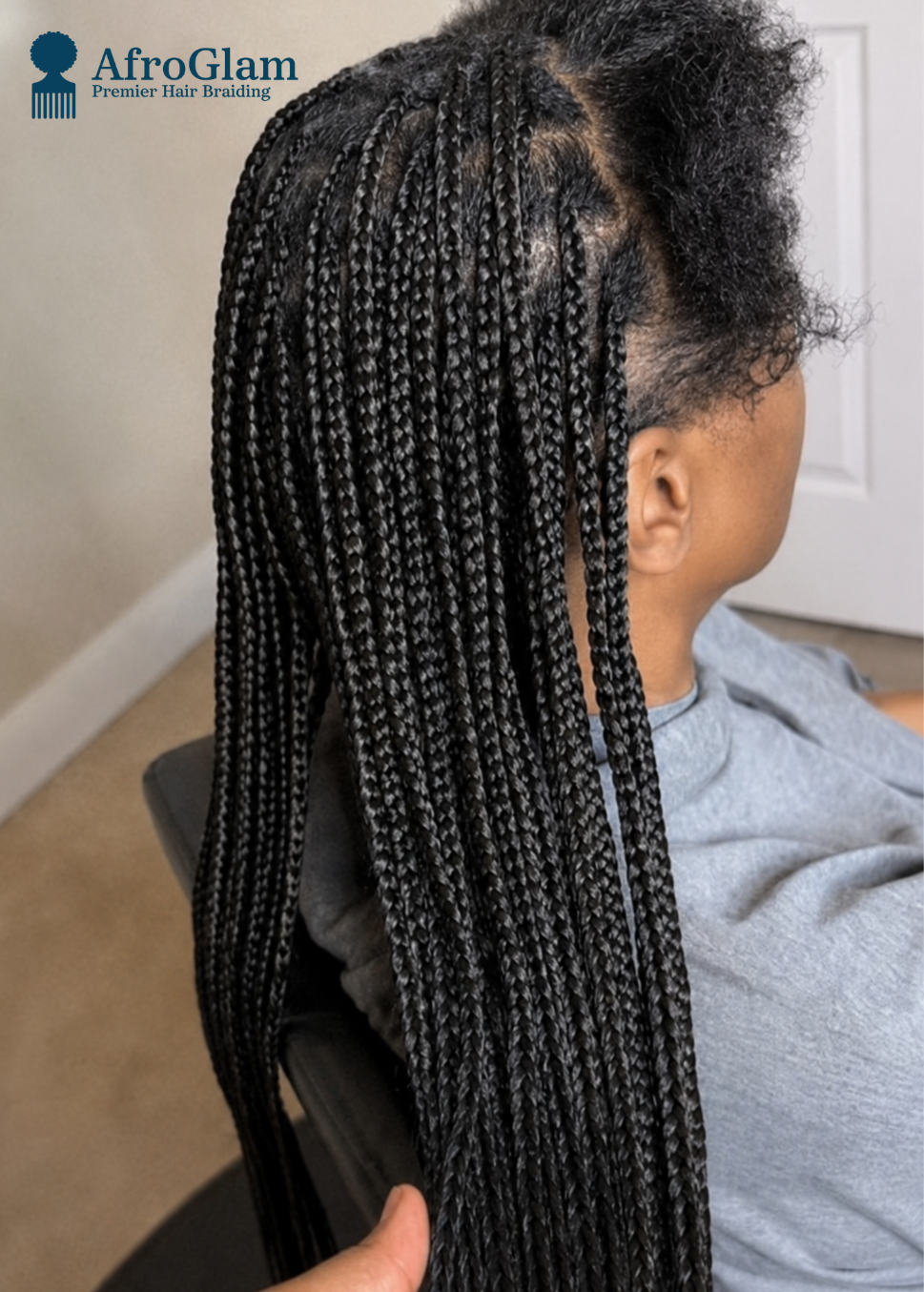
Inflammation can be caused by tight styles, harsh products, excessive scratching, or untreated scalp conditions. One important issue to watch for is traction stress, which happens when hair is pulled too tightly. Over time, this can weaken follicles and lead to thinning around the hairline. That's why installation technique matters just as much as style choice.
Protective styles are only protective when installed and maintained properly. If you're deciding between styles, our protective styles guide can help you compare options with hair health in mind. It's also helpful to review the latest thinking on style selection in our braiding style guide.
Everyday Habits That Support Scalp Health
Cleanse regularly without overdoing it.
Washing frequency depends on hair type, scalp condition, and styling habits. Some people need to cleanse weekly, while others may stretch washes longer if their scalp stays balanced. The goal is to remove buildup before it becomes a problem, but not to strip the scalp of all protective oils.
For a salon-informed approach, think in terms of scalp signals rather than rigid rules. If the scalp feels itchy, smells stale, appears greasy, or shows visible buildup, it may be time for a wash. If you're unsure how to adjust your schedule, a professional consultation or a service like a hair wash can help reset the scalp.
Massage gently and consistently
A gentle scalp massage can be a valuable addition to a healthy hair routine. Massage may help increase circulation, relieve tension, and create a relaxing experience. The best technique is slow, light, and consistent. Hard rubbing can irritate the skin.
Many clients incorporate massage after applying a lightweight scalp oil or treatment. This can be especially useful between wash days or after taking down a style. If your hair is in a protective style, be careful not to disturb the base too much. Styles like touch-up braids or touch-up locs can help preserve neatness while reducing unnecessary tension.
Choose products based on scalp needs.
Not every product works for every scalp. Heavy creams may be too much for some, while lightweight water-based products may not provide enough moisture for others. Ingredients should be chosen with the scalp in mind, not only the style. If the scalp is sensitive, fragrance-free formulas may be a better choice. If buildup is an issue, clarifying products may be needed occasionally.
Product choice is especially important when wearing styles that limit regular access. For instance, cornrows for a wig create a clean foundation, but the scalp underneath still needs thoughtful care. Matching products to your scalp type helps support comfort and keep the growth environment stable.
How Protective Styles Can Help or Hurt Growth
Benefits of low-manipulation styling
When done correctly, protective hairstyles can support growth by reducing daily combing, shielding strands from friction, and limiting breakage. Less breakage means more length retention, which is often what clients mean when they say they want their hair to grow. The style itself doesn't make hair grow faster, but it can help you keep the length you already have.
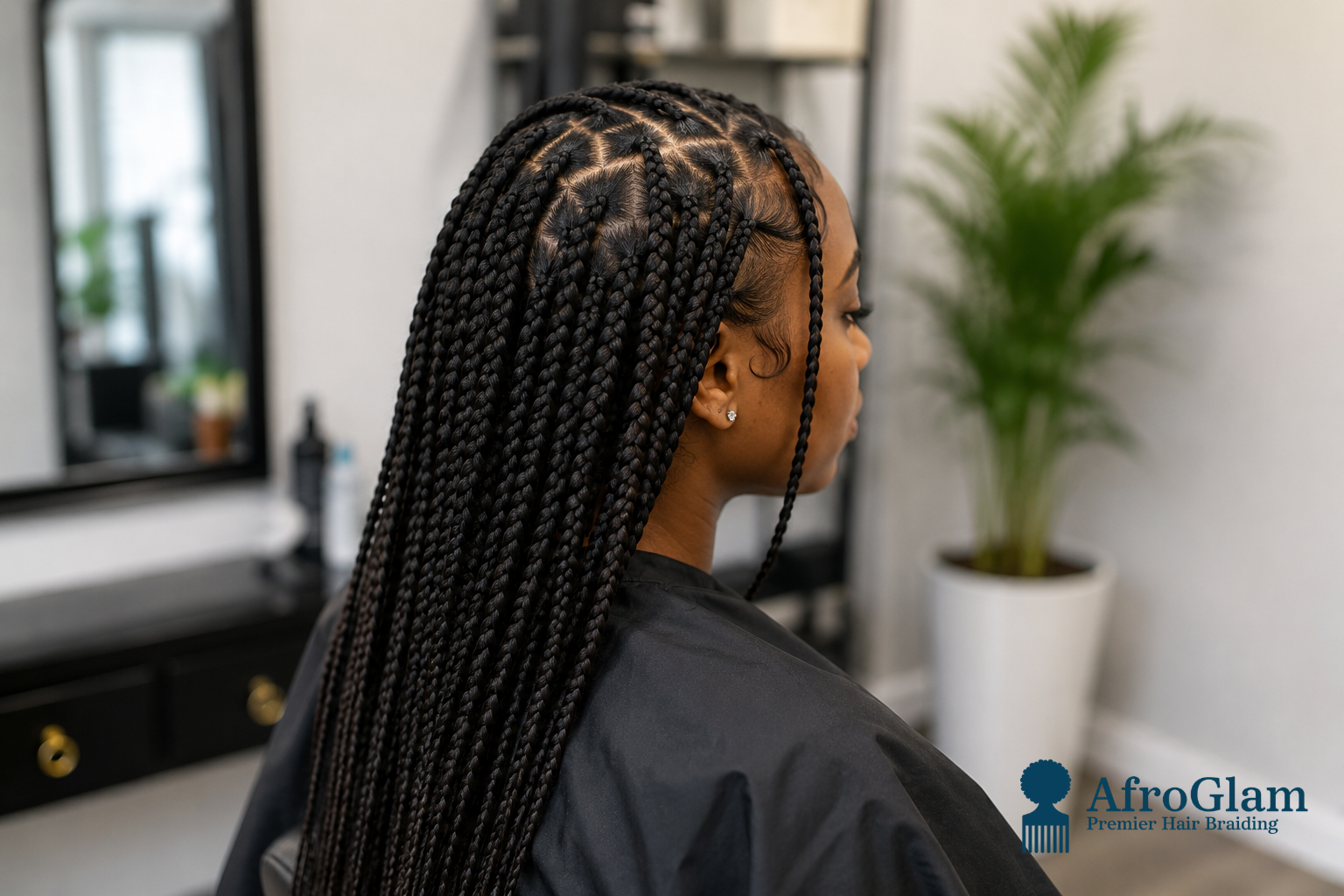
This is why styles like knotless braids, cornrows, and sew-ins remain popular. They can support everyday convenience and reduce styling stress when installed with proper tension and maintained carefully.
Signs a style may be too tight
A protective style should never cause ongoing pain. If you feel headaches, burning, tenderness, or bumps near the roots, the style may be too tight. This matters because repeated tension can affect follicle health over time. A good stylist will prioritize comfort and scalp access.
Clients who love long-lasting styles should also pay attention to removal. If a style stays in too long, buildup and matting can complicate take-down and increase shedding. Proper care before and after styles like box braids or extended ponytail helps preserve the scalp’s comfort and the hair’s integrity.
Maintenance is part of the protective process.
Protective styles still need maintenance. That includes keeping the scalp clean, moisturizing, refreshing edges, and booking touch-ups. A style that is left unmanaged can shift from protective to stressful quickly. Consistent maintenance helps preserve both appearance and scalp health.
If you're looking for a refreshed finish without a full reinstall, services like touch-up braids can make a difference. They help keep the style neat while reducing the need for excessive manipulation.
What the Research Says About Growth, Shedding, and the Normal Cycle
Shedding is normal
Many people worry when they see hair in the sink or on the pillow, but daily shedding is a normal part of the growth cycle. Johns Hopkins Medicine notes that the average person sheds 50 to 100 hairs per day. That number can feel alarming, but it usually reflects ordinary turnover. For more information, visit Johns Hopkins Medicine.
Understanding the cycle helps reduce anxiety and improve decision-making. When you know what normal shedding looks like, you can better spot unusual changes. Sudden thinning or scalp pain may suggest it's time to change your routine or seek professional advice.
Most scalp hair is actively growing.
Most scalp hair is in the active growth phase, so small improvements in scalp care can have meaningful effects over time. Even modest changes can support better retention and improved appearance. Hair health is cumulative, and what you do repeatedly tends to matter more than any single treatment.
This is where salon education becomes powerful. A stylist who understands follicle health and scalp hygiene can help clients make choices that support the long game. Over months, healthier routines and better styling habits can create noticeable changes in fullness and shine.
Real-World Salon Examples and What They Teach Us
Scalp analysis before styling
Salons offering scalp analysis help clients make smarter choices. One example is using multi-metric scalp scans to evaluate oil balance and sensitivity before care is customized. This approach treats the scalp as unique rather than assuming every client needs the same treatment.
At AfroGlam Hair Braiding, this philosophy aligns with the idea that a great style should also support hair wellness. Whether you're preparing for cornrows, boho, gypsy braids, or a child-friendly option like kids' cornrows braids, the condition of the scalp should guide the final recommendation.
Growth and length retention through smarter habits
Some Houston salons focus on growth and length retention by combining scalp care with thoughtful styling. Their results show that healthy hair care isn't just about one product or one service. It's about a system of good habits, from cleansing to low-tension installation.
Protective styling plays a role here, but so does maintenance between appointments. Clients who wear styles for several weeks often need scalp refreshes and regular checks for tension. If your style is beginning to frizz, a maintenance appointment can preserve the look and reduce stress.
Frequently Asked Questions About Scalp Health and Hair Growth
How often should I wash my hair?
There's no single answer for everyone. Washing frequency depends on your hair type, product use, and whether you're wearing a protective style. The scalp should be cleaned often enough to prevent buildup but not so often that it becomes dry. A professional consultation can help you build a schedule that fits your needs.
Can scalp massages stimulate growth?
Scalp massages can support circulation and help you maintain a healthier scalp environment. They may also reduce stress. Massage is best viewed as a supportive habit rather than a standalone solution. It works best when combined with cleansing and low-tension styling.
Are braids beneficial for hair growth?
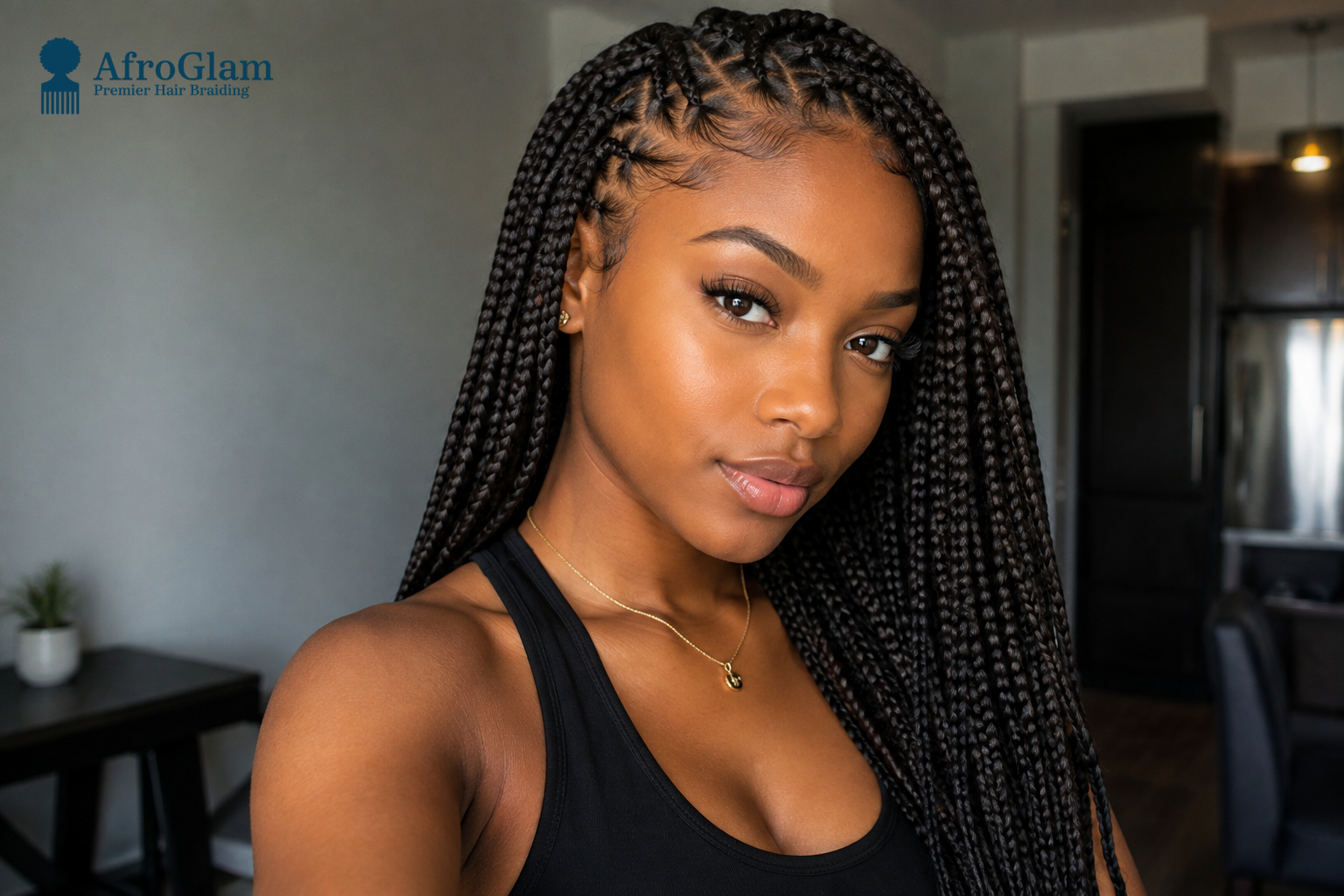
Braids can be beneficial when they reduce manipulation and help retain length. However, tight braids and poor maintenance can create problems. The key is proper installation, tension, and care. If you're exploring braid options, styles like knotless braids and boho braids may offer both beauty and comfort.
When should I see a professional?
See a professional if you notice pain, itching, heavy flaking, redness, unusual shedding, or thinning that doesn't improve with routine changes. A stylist can help identify whether the issue is cosmetic or potentially medical. For more serious symptoms, a dermatologist may be needed.
Building a Scalp-Friendly Hair Plan That Lasts
Start with a clean base.
Every healthy style begins with a clean scalp. That means removing buildup before braiding, twisting, or installing a protective look. A clean foundation improves comfort and helps the style sit better.
If you're preparing for a new look, services like hair wash and cornrows for a wig can be part of a smart preparation strategy.
Track what your scalp tells you.
Your scalp gives you feedback every day. It can signal dryness, tension, or buildup through itching or tightness. Paying attention to these signs helps you make small corrections before bigger problems develop.
Keeping a routine journal can help. Note when you wash, what products you use, and how your scalp feels. Over time, patterns will emerge. These patterns make it easier to choose better services and products.
Work with a salon that understands scalp health.
Not every stylist approaches hair growth the same way. The best experiences come from salons that understand the link between scalp health and style choice. When your stylist asks about your scalp and goals, that's a good sign.
AfroGlam Hair Braiding supports that approach by pairing beautiful braiding with expert attention to care. If you're ready to improve your scalp routine, consider speaking with a professional about your options.
Conclusion: Healthy Scalp, Healthier Growth
Scalp health plays a big role in hair growth because it affects the environment where follicles live. When the scalp is clean and balanced, hair has a better chance of growing strongly. When the scalp is neglected, buildup, dryness, and tension can interfere with growth.
The good news is that scalp care doesn't have to be complicated. Regular cleansing and gentle massage can make a difference. Technology and personalized analysis are also making it easier for salons to tailor care based on what each scalp needs.
If you want healthier growth, start by treating your scalp as the foundation of your hair routine. Explore the styles and care services that best fit your needs, watch your scalp’s signals, and make maintenance part of your plan. For expert help, book a consultation or service with AfroGlam Hair Braiding and take the next step toward stronger, healthier hair.