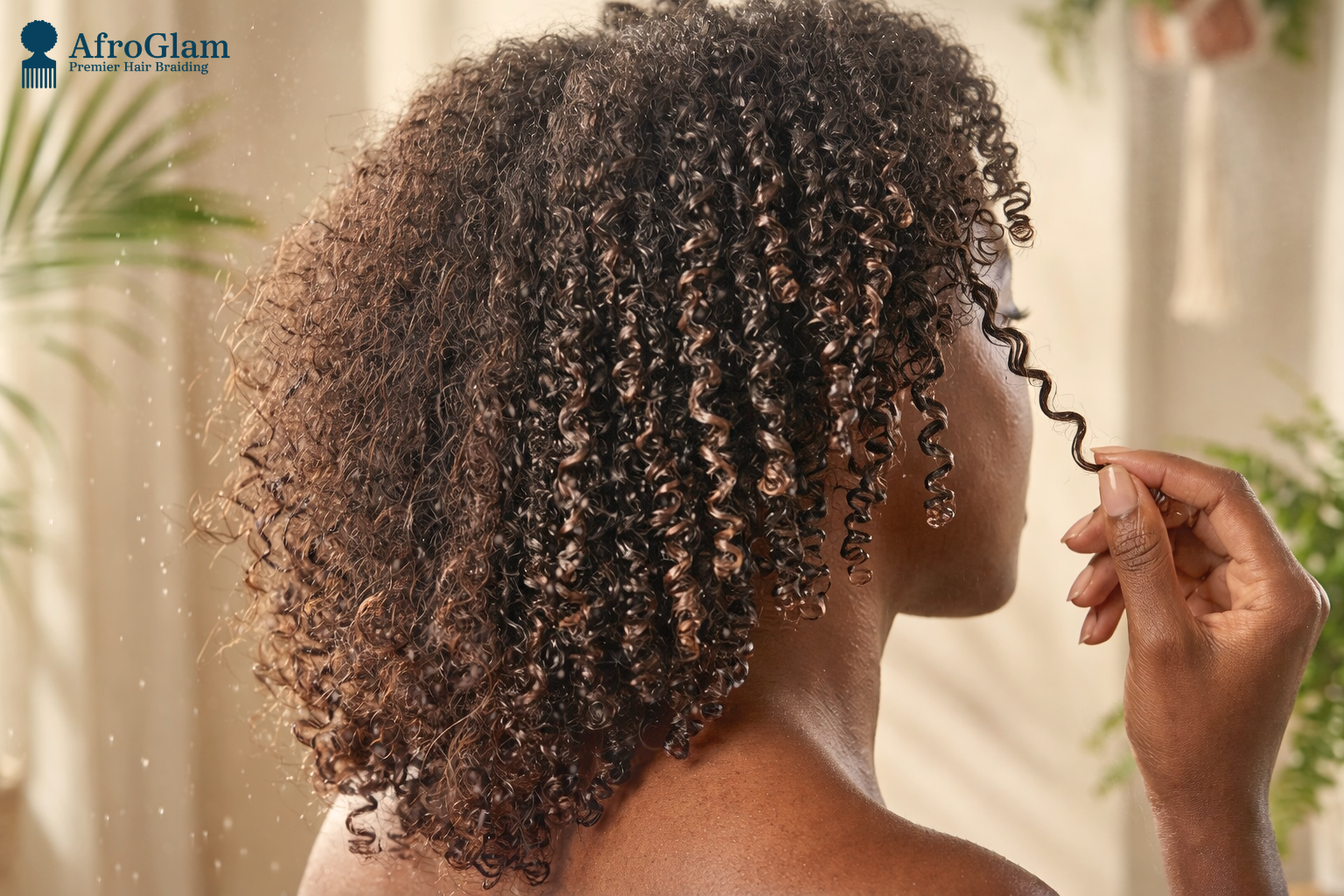
Why Moisture Matters for Curly and Coily Hair
If you have curly or coily hair, you know how beautiful it can be, but also how tricky it is to keep it moisturized. The twists and turns of those curls make it harder for natural oils from your scalp to reach the ends, leaving your hair prone to dryness. This can lead to frizz, dullness, and even breakage if you’re not careful with moisture management.
Moisture retention goes beyond just making hair feel nice after a wash. It’s about keeping water and conditioning agents locked in the hair to help it stay elastic, less prone to breakage, and keep styles looking fresh longer. For those sporting styles like knotless braids or regular twists, holding onto that moisture is key to how your hair feels once the style comes out.
Experts often point out the difference between hydration and moisture retention. Hydration adds water to the hair, while moisture retention seals that water in, so it doesn’t just evaporate. This matters because many use heavy creams and oils, but still struggle with dryness if they skip water-based conditioning or sealing steps. For more on hair structure and curl science, check out this research from the National Center for Biotechnology Information.
Understanding Why Hair Gets Dry
How Hair Shape Plays a Role
Curly and coily hair tends to be drier than straight hair because its spiral shape makes it tough for sebum to coat the entire hair shaft. The tips are often the driest, which can lead to rough cuticles, tangling, and split ends over time.
What Porosity Means for Your Hair
Porosity refers to how well your hair absorbs and retains moisture. Low porosity hair can resist product penetration, while high porosity hair might soak up moisture fast but lose it just as quickly. Knowing this helps you pick the right products and methods. For more personalized help, check out our hair wash and touch-up braids services to build a routine that protects moisture while keeping your style in check.
You don’t need to overthink porosity testing. Start by seeing how water behaves on clean hair, how long products take to absorb, and if your styles feel dry again in a day or two. For a practical guide, check out the overview from Clemson Extension, which explains how hair care principles connect to fiber behavior and product choice.
Trends in Moisture Care for Curly and Coily Hair
Targeted Moisture-Locking Formulas
One big change in hair care is moisture-locking products designed just for specific curl patterns. These products mix water, humectants, emollients, and lightweight sealants to keep hair soft without weighing it down. Leave-in conditioners and styling creams are being made to penetrate better and hydrate all day.
Lightweight Oils Are Gaining Popularity
Stylists now suggest using lighter oils for daily moisture care, especially for low porosity hair that can get coated too easily. Oils like jojoba, grapeseed, and argan are favorites because they seal hair without weighing down curls. Heavier butters might work better for high porosity hair needing more intense sealing. This trend reflects a move towards routines tailored to individual needs rather than "one-size-fits-all" advice.
Custom Routines Are Now the Norm
Your hair texture, density, porosity, climate, and styling habits all influence what works for you. More people are asking for care plans tailored to them instead of just buying popular products. At AfroGlam Hair Braiding, services like cornrows and box braids come with moisture-focused prep, so clients leave with styles that look great and support their natural hair's health.
Weekly Moisture Retention Tips
Start with a Clean, Not Stripped, Foundation
A good moisture routine starts with a clean base that removes buildup without stripping away too much natural oil. If your hair is coated with product, water and conditioner might not absorb well. That’s why gentle cleansing and regular scalp care are crucial. Begin with a thorough wash, a moisturizing conditioner, and a leave-in product to prep your hair for styling.
Layer Your Products Correctly
The order in which you apply products matters. Most routines for textured hair work best by applying water or a water-based product first, followed by a creamy leave-in, and then a sealant like oil or butter if needed. This layering keeps moisture inside the hair, rather than just coating the outside. For those who love long-lasting styles, this method can keep kinky twists and crochet braids hydrated.
Make Deep Conditioning a Habit
Deep conditioning is a powerful way to boost softness and elasticity. Experts recommend regular deep conditioning, especially for high porosity or color-treated hair. You can use heat, a steamer, or a warm cap to help the product penetrate the cuticle better. During hot, humid seasons, this step is extra useful because the hair still needs internal moisture even if the air feels damp.
Adjusting Your Moisture Strategy Based on Hair Porosity
Boost Absorption for Low Porosity Hair
Low porosity hair can look healthy and shiny, but resist moisture because the cuticle is tightly packed. In this case, lighter products and gentle heat can help open the cuticle enough to let in hydration. Warm water rinses, steaming, and lighter leave-ins often work better than thick creams alone. If your hair feels coated but still dry, it’s a sign that products are sitting on the surface instead of penetrating the strand.
Seal Better for High Porosity Hair
High porosity hair often needs the opposite approach. The cuticle is more open, so moisture gets in easily but can escape quickly. People with this hair type usually benefit from richer conditioners, butters, and sealing oils that slow evaporation. Real-world examples show that shea butter and castor oil are particularly useful for sealing moisture in this hair type, especially in styles that reduce manipulation and friction.
Consistency for Medium Porosity Hair
Medium porosity hair is often easiest to manage, but it still needs a balanced routine. Many people mistakenly think that "normal" porosity means less care is needed. In reality, even balanced hair benefits from routine cleansing, conditioning, and protective styling. A service like an extended ponytail can be a stylish option when paired with a moisture-preserving prep routine and regular maintenance.
The Role of Protective Styles in Keeping Moisture Locked In
Reducing Manipulation Helps
Protective styles work because they cut down on daily friction, combing, and exposure to the elements. Braids, twists, and cornrows give your hair a break while retaining moisture longer between wash days. However, they only help if the hair is properly hydrated before installation and cared for during wear. Stylists often advise prepping the hair first and avoiding styles on extremely dry hair.
Don’t Skip Maintenance
Protective styles aren’t a free pass to skip care. You still need to cleanse the scalp, lightly moisturize, and rehydrate between appointments. Neglecting the hair beneath a style can lead to dryness that shows once the style comes out. For more tips, check out our related article on scalp care for protective styles.
Pick Styles That Match Your Moisture Goals
Some styles are better than others, depending on your routine and porosity. Boho braids might be ideal if you want movement and style flexibility, while cornrows offer a chic look with less daily manipulation. The best style supports both your look and your hair’s need for hydration, sealing, and low tension.
How Houston’s Weather Affects Curly and Coily Hair
Humidity: Friend or Foe?
In Houston, humidity can make curls swell, frizz, and lose definition even if the hair isn’t truly hydrated. Humidity might create temporary softness, but it can also make hair absorb and release water unevenly. That’s why many are surprised that humid weather doesn’t always fix dryness problems. Without a strong moisture-retention routine, humidity can actually make textured hair look and feel worse.
Changes in Season Affect Product Performance
During warmer months, lighter products might work better because thick formulas can feel sticky in high humidity. In cooler or drier periods, more occlusive ingredients might be needed to prevent moisture loss. Local routines must adapt to weather changes, especially for those who regularly wear braids or twist styles. That’s one reason Houston clients often benefit from personalized consultations and moisture-focused styling services at a local braiding salon.
Get Local Salon Advice
Professional guidance can make a big difference when the climate works against you. AfroGlam Hair Braiding offers services and style support that align with moisture protection, including cornrows for wig preparation and hair extensions take down. For more on how climate influences everyday routines, check out coverage from The New York Times.
Common Moisture Mistakes to Watch Out For
Balancing Protein and Moisture
While protein is great for strengthening hair, too much without enough moisture can make hair feel stiff and brittle. Many mistake strength for health, but balanced elasticity is the goal. If your hair feels hard after using a product, it might need more moisture instead of another protein treatment.
Avoid Overwashing or Harsh Cleansers
Washing too often with harsh cleansers can strip your hair and scalp, making it harder to restore softness later. A good routine cleanses without causing a cycle of dryness. This is especially important for curly and coily hair that already struggles to distribute oil naturally. Choosing the right cleansing method can prevent the need for emergency repairs later in the week.
Don’t Skip Nighttime Protection
Moisture loss doesn’t stop when you sleep. Cotton pillowcases, rough blankets, and loose hair can create friction and pull moisture away from your hair. Satin scarves, bonnets, or pillowcases help preserve style and softness. For more on avoiding damage from daily habits, see our related article on common mistakes that can damage natural hair.
Expert Tips for Deep Conditioning and Sealing Moisture
Using Warmth to Improve Product Penetration
Many stylists recommend gentle heat during deep conditioning, especially for low porosity hair. Heat helps the cuticle lift slightly so the conditioner can move deeper into the strand. This approach can lead to softer, more manageable hair without needing to overload it with product. It’s especially helpful before installs like sew-ins or other styles that might stay in for several weeks.
Pick Ingredients That Fit Your Needs
Humectants like glycerin and aloe vera attract moisture, while emollients such as shea butter smooth the cuticle. Sealants like castor oil, jojoba oil, and other plant-based oils slow evaporation. The best product stack depends on your hair’s needs, but the general rule is to add water, condition, and seal. Guidance from the American Academy of Dermatology also reinforces the value of gentle hair and scalp care habits.
Consistency Over Perfection
The best products won’t work if used inconsistently. A strong moisture routine is built on repeatable steps rather than one-time fixes. People who keep their routine simple often see better results than those who keep switching products every few days. For instance, a weekly cleanse, a deep conditioner every one to two weeks, and a nightly protection method can create noticeable improvement over time.
FAQs About Moisture Retention
How Do I Know If My Hair Needs More Moisture?
If your hair feels rough, tangles easily, lacks shine, or breaks when stretched, it might need better moisture retention. Another sign is if styles don’t hold their shape for long because the hair is too dry to maintain definition. Pay attention to how your hair behaves after wash day, not just how it feels right after applying product.
What Are the Best Products for Moisturizing Curly Hair?
Look for products that combine water, humectants, emollients, and sealants in a balanced formula. Leave-in conditioners, moisture masks, and lightweight oils are all helpful, but they work best when matched to porosity. If you’re unsure, try testing products one at a time to discover what your hair actually prefers instead of relying on trends alone.
How Often Should I Deep Condition?
Many with curly and coily hair benefit from deep conditioning at least once every one to two weeks, though highly porous or color-treated hair might need it more often. The right schedule depends on your styling habits, climate, and how quickly your hair dries out after washing. If your hair is in a protective style, you might still need a moisture refresh routine even if deep conditioning is less frequent.
Real-Life Moisture Retention Strategies
Simple Routine for Busy Adults
If you’re a working parent or busy professional, you don’t need a complicated regimen to maintain moisture. A realistic plan might include a gentle wash, a quick deep condition, a leave-in cream, and a light sealant. On non-wash days, a spritz of water or water-based refresher can keep curls from losing elasticity. This is often more effective than trying to do a full routine only when the hair already looks dry.
Balanced Plan for Kids and Families
Children’s hair often needs extra softness because they may not tolerate long detangling sessions or heavy manipulation. Families can benefit from simple, repeatable routines that preserve moisture between salon visits. Options like kids box braids and kids cornrows braids can be paired with gentle at-home care that protects both comfort and hair health.
Long-Term View for Healthy Growth
Moisture retention supports length retention, and length retention is often what people really want when they say they want hair growth. Hair grows from the scalp, but it can only appear longer if the ends remain intact. That’s why reducing breakage through proper hydration and sealing matters so much. Over months, consistent moisture habits can make the difference between stagnant length and visibly healthier hair.
Final Thoughts: Healthy Curls Start with Better Moisture Habits
Moisture retention is key to caring for curly and coily hair because it affects softness, definition, manageability, and long-term strength. Understanding porosity, climate, product layering, and protective styling lets you make choices that support your hair. The goal is not to follow every trend, but to build a routine that keeps water in the hair long enough for it to thrive.
Ready to improve your hair’s moisture routine? Start with one or two changes and build from there. Book a consultation, ask about moisture-focused prep, and choose styles that fit your lifestyle and texture. AfroGlam Hair Braiding is here to help you protect your curls, preserve your style, and enjoy healthier hair with every visit. Explore our services, including touch-up locs and free style, and take the next step toward stronger, better-hydrated hair today.