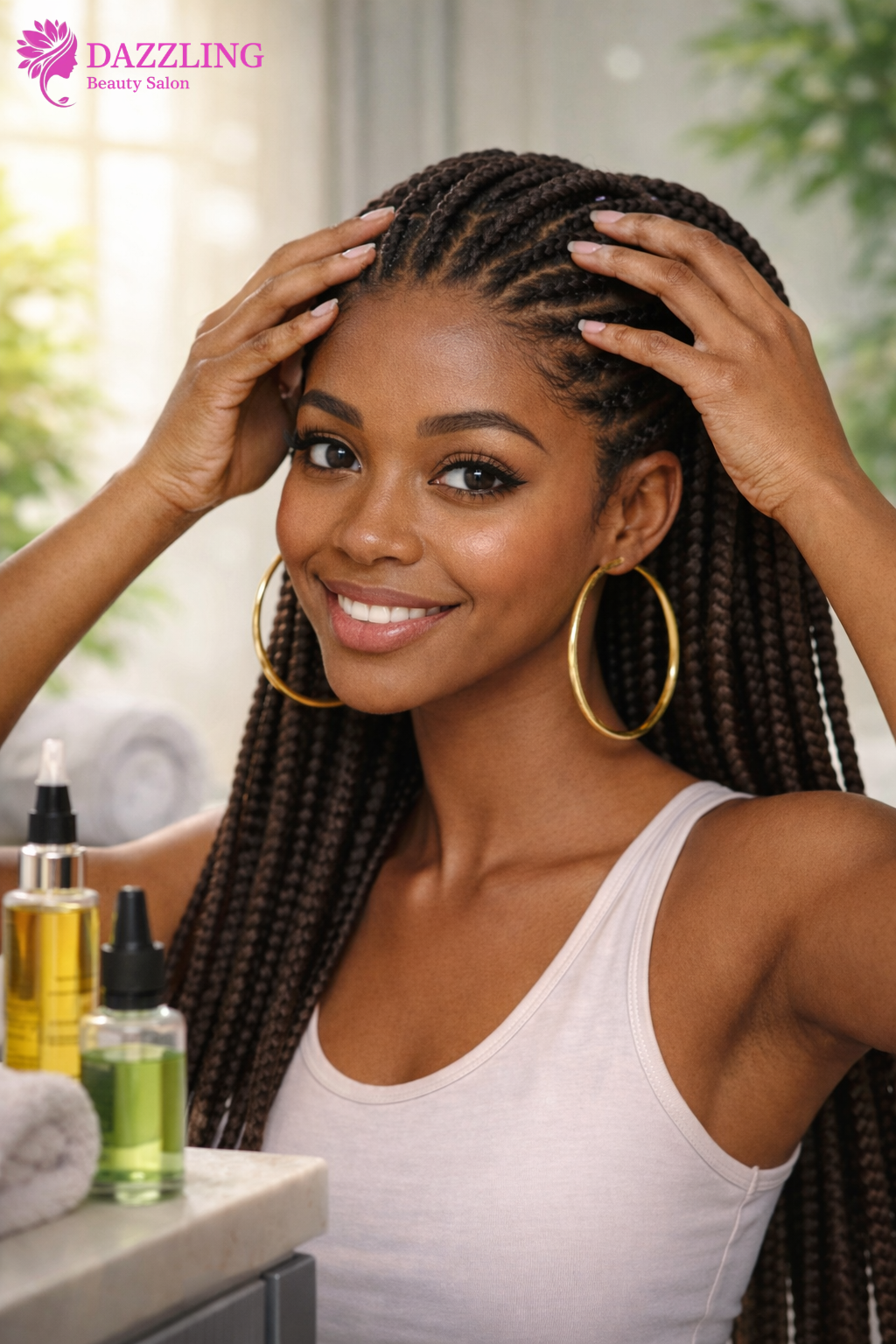
Essential Scalp Care for Protective Styles: Keep Braids, Twists, and Wigs Healthy
Protective styles like braids, twists, and wigs are great for giving your hair a break, but keeping your scalp healthy is key to enjoying these benefits. When done right, these styles reduce daily hassle and protect your natural hair from stress. But if they're too tight or left in too long, they can cause itchiness, buildup, and even hair loss. Let's dive into how you can keep your scalp in top shape while rocking your favorite protective styles.
Looking for a style that keeps both your hair and scalp happy? Try options like knotless braids and regular twists. These are easier on the scalp compared to high-tension styles. If you're aiming for a sleek look without the daily fuss, consider cornrows for wig prep. It's all about giving your natural hair a break. According to the American Academy of Dermatology, healthy hair starts at the root, so make sure your protective style supports a healthy scalp.
Why Scalp Health Matters in Protective Styling
Protective styles should do more than look good.
The best protective styles help reduce stress on your hair and scalp. Braids, twists, and wigs can cut down on daily combing and heat exposure, but remember, your scalp still needs air, cleanliness, and moisture. If product buildup or tension becomes too much, it can inflame your follicles, working against you. That’s why scalp care is essential, not just an afterthought.
You want styles that feel good without causing pain or constant itching. Low-tension options such as box braids, kinky twists, and boho braids can give you that beautiful look while minimizing stress. This is especially important for kids, as their scalps are more sensitive and need gentle handling.
What happens when you ignore scalp care?
Neglecting your scalp often starts with itchiness, flaking, and a tight feeling. Then it might progress to soreness, bumps, or even hair thinning at the edges. Over time, you could develop traction alopecia, a type of hair loss caused by tension. According to NCBI, this is common among those who frequently wear tight styles. But don't worry; the right routine can help you enjoy protective styles without the downside.
Latest Trends and Safety Concerns in Protective Styles
The buzz about synthetic braiding hair
Recently, there's been concern about synthetic braiding hair, with reports of harmful chemicals like lead in some brands. While not all products have these issues, it's a reminder to consider the materials used, not just the style. If extensions are in for weeks, any irritation or chemical exposure can have lasting effects.
That's why many are turning to chemical-free hair extensions and better sourcing. If you frequently wear braids, ask about the hair being used and any reactions it might cause. For broader safety info, the Centers for Disease Control and Prevention offers resources on product safety and health concerns.
Why low-tension styles are the new standard
Low-tension styles are on the rise because they’re gentler on your scalp and hairline. Styles like knotless braids and lighter installs distribute weight more evenly, reducing strain on your follicles. If you often wear protective styles, minimizing tension is crucial to avoid long-term damage.
For a mix of style and safety, consider cornrows and crochet braids. These can be tailored to reduce pull while giving you a polished look. Remember, you shouldn't sacrifice scalp health for a stylish do.
How to Choose a Scalp-Friendly Protective Style
Choose based on your hairline and lifestyle.
A great protective style isn’t just about looks. It should suit your scalp sensitivity, hair density, and daily routine. If you work out a lot or sweat heavily, breathable styles might be better than denser ones. If your edges are fragile, opt for styles that are gentler on your hairline.
Consider what your scalp can handle for several weeks, not just how the style feels at first. It should make life easier, not harder. If you're unsure, talk to a pro about your hair's history and maintenance habits. A good consultation can save you time and trouble later.
Questions to ask before getting styled
Before you get styled, ask about the tension, the type of hair, and how long the style will last. These questions help you avoid styles that don’t fit your scalp or hair goals. A great stylist won’t mind these questions; they show you care about the results.
If you’re looking for extra protection for your edges, compare services carefully. Someone considering sew-ins might need a flatter foundation, while twists could be a lighter choice. The right style depends on your hair and maintenance commitment.
Daily and Weekly Scalp Care Tips
Clean your scalp without messing up your style.
Keeping your scalp clean is crucial for making protective styles work. Oil, sweat, and product buildup can irritate if not cleaned regularly. Dirty scalps can itch or smell, and even get inflamed.
Most people do well with a diluted shampoo applied gently between parts. Use a soft applicator bottle and rinse thoroughly. For a fresh start, consider a professional hair wash before installation.
Moisturize without overdoing it.
Moisture is key, but too much product can cause buildup. Many people overapply oils or creams to soothe itching, but heavy products can trap dirt. Use lightweight products and apply sparingly where needed.
Pay attention to how your scalp responds. If a product irritates your skin, switch to something gentler. Balance your scalp and hair moisturizing needs to make your styles last longer.
Protect your edges and nighttime routine.
Don’t forget your nighttime routine. Friction while sleeping can affect your hairline and style longevity. A silk or satin scarf or pillowcase can help reduce rubbing. If your style includes curls or loose ends, covering your hair at night is even more important.
Edges need a break, too. Avoid tight ponytails and excessive brushing. If you’re wearing an extended ponytail, make sure it’s secure but not painful. Small daily choices make a big difference for your hairline.
How to Prevent Traction Alopecia
Spot the warning signs early.
Preventing traction alopecia starts with being aware. If your style hurts, leaves bumps, or makes your scalp feel hot, these are red flags. Other signs include thinning edges and recurring breakage.
A study from South Africa highlights that traction-related hair loss isn’t rare, especially with tight styles. The solution isn’t to ditch braids or twists but to choose gentler options and refresh styles before they cause damage.
Go for styles that spread weight evenly.
Styles that distribute weight across your scalp are safer for long-term wear. Knotless installs and lighter extensions can reduce strain significantly. If you want a polished look with less tension, touch-up braids can keep your style fresh without starting from scratch.
Real-World Example: What Healthy Protective Styling Looks Like
A better long-wear routine
Imagine someone who wants braids for six weeks. A good plan would start with a gentle wash, a tension-aware installation, and a light aftercare routine. By week three, they could refresh the scalp instead of adding heavy products. By week five, they’d plan to remove the style before it causes discomfort.
This approach is healthier than waiting until the itching gets bad or the edges thin out. If someone has a sensitive scalp, lighter styles like boho braids might be a better choice. The goal is to enjoy the style without sacrificing hair health.
Why salon guidance matters
Experienced stylists can spot issues clients might miss. They know when parts are too tight or when a style needs tweaking. At AfroGlam Hair Braiding, we focus on styles that support scalp health and comfort. Technique, product choice, and aftercare are all part of our service.
If you need help finding a style that fits your hair goals, check out our services or visit us in Houston. We offer educational content, like Protective Styles: What They Are, How Long They Last, and How to Choose the Right One for Your Hair and Choosing Between Protective and Aesthetic Hairstyles: Your 2026 Guide.
FAQs About Scalp Health and Protective Styles
How often should I wash my scalp with protective styles?
Regular cleansing is important, even with protective styles. Your schedule may vary based on activity level and product use, but a gentle cleanse every one to two weeks usually works well. If you sweat a lot or use many products, you might need to wash more often.
Can protective styles cause hair loss?
Yes, if they’re too tight, worn too long, or poorly maintained. Hair loss is often linked to tension and friction. To minimize risk, choose low-tension styles, take breaks between installs, and pay attention to early discomfort.
What if my scalp is itchy or sore?
If you’re dealing with mild buildup, try a gentle cleanse. But if your scalp feels sore or shows bumps, the style might need loosening or removal. Persistent pain usually means the style is too aggressive for your scalp.
Are synthetic braiding hairs safe?
Not all synthetic hair is risky, but some do have safety concerns. Opt for high-quality options and avoid products with strong chemical smells. This is why choosing the right stylist and asking questions is important.
Conclusion: Protect the Style, Protect the Scalp
Protective styles can help retain length, reduce daily hassle, and let you express yourself, but only if your scalp stays healthy. Stick to simple habits: pick low-tension styles, keep your scalp clean, use products lightly, watch for warning signs, and remove styles before they cause damage. Whether you prefer braids, twists, or wigs, comfort and care should always come first.
If you’re ready for a style that meets your hair goals, AfroGlam Hair Braiding is here for you. Check out our services like safe hair extension take-down and kids' box braids. For questions or appointments, call us at (346) 430-9350 or visit us at 12222 Bissonnet St, Suite L, Houston, TX 77099, USA. Healthy hair starts with a healthy scalp, and the right style helps you keep both.