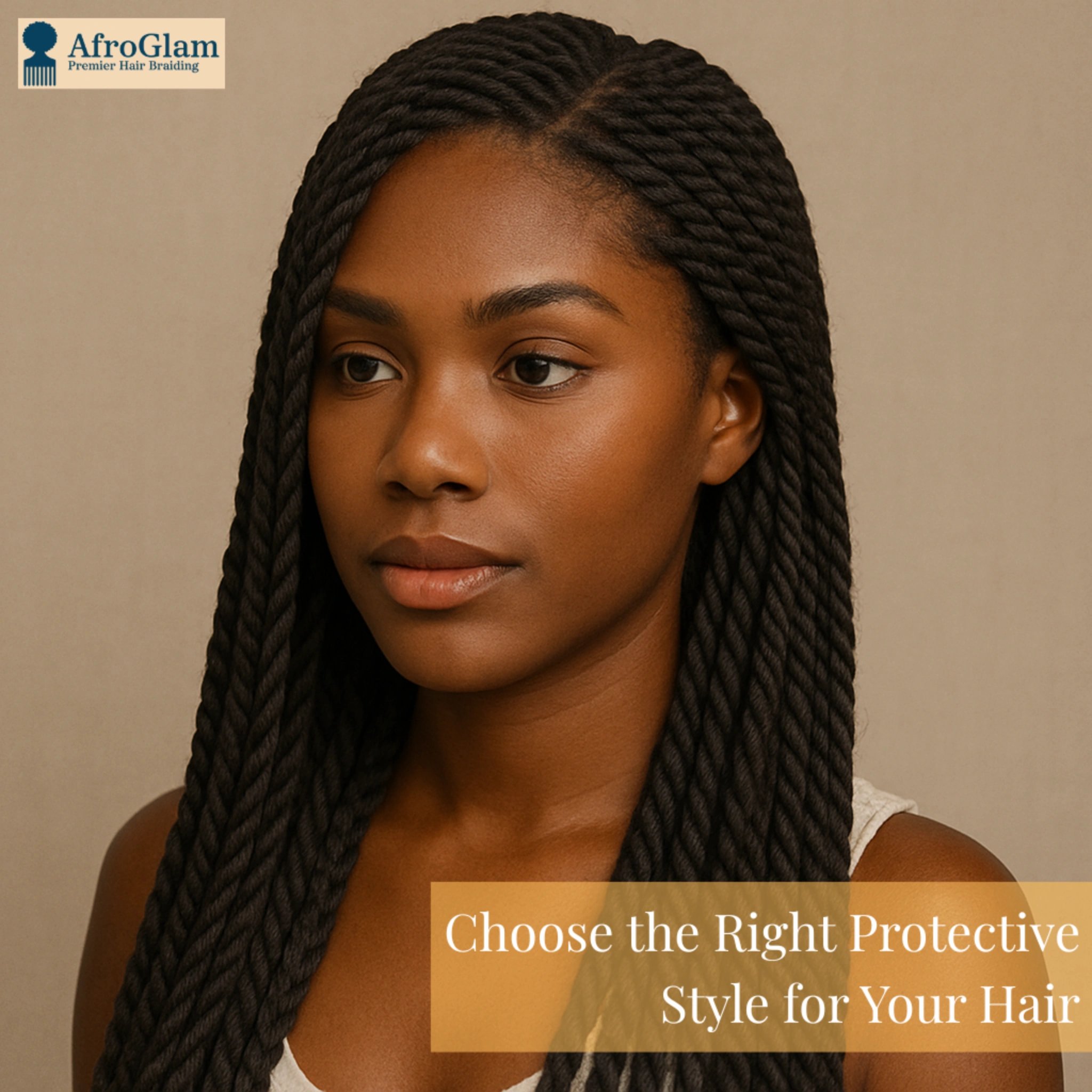
Protective Styles: What They Are, How Long They Last, and How to Choose the Right One for Your Hair
Protective hairstyles aren't just trendy—they're a smart way to keep natural hair safe, reduce daily fuss, and help your hair stay healthy over time. This guide will show you what protective styles are, how long they usually last, how to pick the right one for your hair type and lifestyle, and how to care for your hair while it's styled. Whether you're curious about knotless braids for less tension, micro braids for a sleek look, or a boho vibe with Zizi curls braids, we've got you covered with steps and salon-ready advice.
We'll also touch on 2026 trends, expert tips, real-world examples from runways and celeb fashion, and practical maintenance routines you can do at home or at your next salon visit. If you want a pro consultation in Houston, AfroGlam Hair Braiding is ready to help—call (346) 430-9350 or check out our styling options online.
Understanding Protective Hairstyles: The Basics
What counts as a protective style?
Protective styles are hairstyles that cut down on hair shaft handling and tuck the ends away to protect from damage like friction, heat, and dryness. They include styles like braids, twists, locks, weaves, or updos that keep ends safe. The aim is to avoid breakage, keep length, and help natural hair hold onto moisture, with less daily styling needed.
Popular protective styles include cornrows, box braids, twists, faux locs, crochet, and sew-ins. Modern styles like knotless braids focus on low tension to prevent hairline stress and add comfort. Want a natural look? Our salon offers professional knotless braids that reduce tension and blend with your hairline.
Beyond looks, protective styling aids hair health when paired with good maintenance. Picking the right style depends on hair thickness, curl pattern, scalp sensitivity, daily activities, and your maintenance routine.
Why protective styling matters for hair health
Protective styles limit damage from combing, brushing, and heat. Regular handling—like daily brushing, frequent heat tools, and rough styling—can lead to split ends and breakage. Protective styles reduce these stresses by keeping hair contained, helping preserve length and cutting down on chemical or heat treatments.
Plus, protective styles can make treatments easier. While your hair is styled, you can focus on moisturizing routines, scalp care, and deep conditioning. For those with busy lives or in warm climates like Houston, protective styling can simplify hair care and cut down on daily heat exposure.
Myths and misconceptions
Some myths keep people from trying protective styles, like the idea that all braids cause hair loss or that protective styles automatically restore hair health. The truth is, protective styles can promote healthier hair if done right and maintained. But tight or high-tension styles, poorly applied extensions, and lack of scalp care can cause traction damage over time.
Experts recommend low-tension techniques like knotless braids and boho braids to cut down on the risk of traction alopecia and improve comfort. For concerns about hair loss or scalp damage, reputable medical advice from dermatology organizations offers helpful context and tips about traction alopecia and protective styling.
Popular Protective Styles in 2026 — Trends and What Sets Them Apart
Micro braids — the refined comeback
Micro braids are making a big return in 2026. Known for their refined, timeless look, micro braids offer a delicate texture that can be styled into high buns, waves, or left long and loose. Celebs and runway shows have brought them back into the spotlight, showing how micro braids can be both chic and versatile.
Micro braids can last 6–8 weeks with proper care. They need regular gentle maintenance and smart styling to prevent snarls and tension at the scalp. For those wanting a low-maintenance yet polished look, box-style micro work is a great choice—and our box braids service can be adjusted to a micro style based on client preference.
Zizi curls braids and boho luxury
Zizi curls braids are a 2026 trend blending curly texture with lightweight, scalp-friendly braiding to create a boho-luxury look. They mimic natural curls and offer movement while still protecting the ends. These braids are perfect for those wanting a softer, natural silhouette compared to tightly braided styles.
Because they focus on lightness and low tension, Zizi curls braids are often chosen by clients with sensitive scalps or those looking for a less-dense protective style. They look great with face-framing pieces and relaxed parts for an effortless, lived-in style.
Marley blends and faux locs
Marley hair blends are a go-to for twists, faux locs, and crochet styles as they match 4B/4C textures and create nearly invisible roots. This textured fiber helps the finished style look more natural and offers long-lasting wear. Faux locs made with Marley blends can last several weeks and are forgiving in maintenance as their texture hides new growth well.
When picking Marley blends or textured fibers, consider color-matching to your natural base and talk about the hair's weight with your stylist. Lighter blends reduce tension and are better for longer wear; heavier, denser bundles can create more tension and need more frequent touch-ups.
Ivy braids and low-tension choices
Ivy braids are a relaxed, lived-in style known for reducing scalp tension while keeping a neat, stylish look. They sit between cornrows and free-flowing braids in terms of structure, offering a balance of protection and breathability. Because ivy braids are usually installed with less tightness, they are a comfy choice for those focusing on scalp health.
Low-tension options like ivy braids and knotless braids are often recommended by stylists to prevent hairline damage. These techniques distribute weight more evenly and start with a looser base to avoid pulling on fragile edges.
How Long Protective Styles Last — Realistic Timelines and Factors
Typical longevity by style
Different protective styles come with different expected wear times. Box braids and cornrows can last 4–8 weeks with proper care, while micro braids often last 6–8 weeks due to their smaller size. Crochet and faux locs usually last 4–6 weeks depending on the hair fiber and how well the scalp and new growth are managed.
Twists and some updos may have a shorter lifespan, especially if styled for volume and daily repositioning. Sew-ins and wig foundations (with neat cornrows for wig bases) can last longer with careful care, but the health of the natural hair underneath dictates how long you should keep a style before giving hair a break.
Remember, longevity isn’t the only thing to consider: leaving a style in too long without maintenance can lead to matting, product buildup, or increased breakage during removal. Many stylists recommend regular touch-ups and a max timeline per style type to protect hair health.
Factors that affect wear time
Longevity depends on installation technique, hair texture and porosity, scalp health, daily activities (e.g., swimming or frequent exercise), and the type of hair used for extensions. Humidity and Houston's warm climate can also affect frizz and hydration needs, meaning you may need to tweak your aftercare routine seasonally.
High-contact routines, like sleeping on rough fabrics or wearing tight hats daily, will shorten the life of a style. Conversely, careful nighttime routines using satiny wraps and gentle cleansing can extend a style’s life while protecting the hair underneath.
When to remove a protective style
Take out a protective style if you notice increased shedding beyond your baseline, persistent scalp pain, open sores, or significant matting. These are signs that tension or buildup has reached a level that risks damage to your natural hair. It’s better to remove a style early than to let preventable traction damage progress.
For routine removal, book an appointment with a stylist who can safely take down extensions and provide a restorative treatment like a clarifying wash and deep conditioner. Our salon offers thorough hair extensions take down services to minimize breakage and help you transition back to natural styling.
Choosing the Right Protective Style for Your Hair
Assess your hair type and goals
Choosing the right protective style starts with knowing your hair density, curl pattern, and growth goals. If keeping length is the main goal, choose styles that minimize tension and friction. If you want versatile styling and heat-free daily looks, braids and crochet options offer easy transformation.
Curl pattern matters because some styles look more natural with certain textures. For instance, Marley blends and coil-rich fibers pair beautifully with 4B/4C textures for a seamless root. Chat with your stylist in a consultation to align expectations on both look and maintenance.
Lifestyle and maintenance commitment
Think about how much time you'll spend on upkeep. Micro braids look amazing but need more careful nightly care and might snag during frequent exercise. Box braids and ponytail-friendly styles are ideal for active clients wanting simple daily routines. If you travel a lot, pick styles that travel well and need minimal salon touch-ups.
Be honest about your willingness to maintain the style: if you prefer low-fuss upkeep, choose a larger braid size or an updo that hides new growth. If you love frequent styling, a shorter protective style like a bob with half-braided detailing can offer the best of both worlds.
Scalp health and sensitivity
Clients with sensitive scalps or a history of traction-related hair loss should prioritize low-tension techniques. Knotless and boho braids start gently at the root and build out weight progressively, reducing pull. If you have concerns, request a patch test or a limited-area installation first to gauge tolerance.
For those needing extra scalp care, discuss maintenance treatments like targeted oils, scalp massages, and occasional medicated washes. Our stylists can recommend appropriate products and in-salon treatments based on your scalp condition and sensitivity level.
Salon Best Practices — What to Expect and Request
Communication during consultation
A good consultation is key to a successful protective style. Share your daily routine, sleep habits, product preferences, and how long you want to keep the style. Discuss past experiences and any history of breakage or scalp discomfort so your stylist can tailor the installation and recommend aftercare.
Ask about hair weight, the type of extension fiber used, and the exact installation technique. For example, if you prefer minimal tension, request knotless installation or a looser parting pattern. Our stylists provide detailed consultations to align expectations and ensure the chosen style supports your hair goals.
Low-tension techniques and staff training
Request low-tension techniques like knotless braids, boho ends, or ivy braids if you’re concerned about scalp health. Salon staff trained in modern protective styling will advise on best practices to reduce stress on the hairline and ensure comfortable wear for longer periods.
Reputable salons invest in training because small differences in tension and parting can dramatically affect outcomes. If you’re booking with a salon for the first time, ask about stylist experience and sample photos of their work to confirm their skill level.
Add-on services that support healthy wear
Complementary services like a clarifying hair wash before installation, professional blowouts for sew-ins, and periodic touch-ups will extend a style’s life and protect your natural hair. Regular touch-ups reduce the need for whole-style removals and can refresh the look while preserving hair beneath the style.
Salons can also offer targeted treatments like scalp oiling, steam conditioning, and repair trims at the time of removal to preserve hair integrity. These add-on offerings are a valuable investment in long-term hair health and should be part of your styling plan.
At-Home Maintenance — Daily and Weekly Routines
Nighttime routines
Nighttime care is critical for maintaining protective styles. Use a satin or silk bonnet, scarf, or pillowcase to minimize friction that can cause frizz and breakage. Additionally, loosely wrapping the hair or tying it into a loose ponytail preserves style shape while reducing tension on the edges.
For longer styles, consider a loose satin scarf around the base and a bonnet over the crown to keep everything secure. Avoid styles that require tight elastic bands at night; instead, use soft scrunchies or cloth ties to prevent stress on the hairline.
Moisture and cleansing
Maintaining moisture is essential while hair is tucked away. Spray a lightweight leave-in moisturizer or a water-based spritz with a few drops of a light oil to seal moisture into the braid. Avoid heavy, greasy products that cause buildup in the braids and on the scalp.
Cleanse the scalp every 1–2 weeks depending on oiliness and activity level. Use diluted shampoo applied directly to the scalp and rinse thoroughly, or use a dry cleanse method if water access is limited. Keep in mind that product buildup shortens the life of a style and can cause irritation.
When to get touch-ups and refreshes
Plan for touch-ups every 3–6 weeks depending on style and growth. Services like touch-up braids refresh the front or problem areas without removing the entire style. Regular maintenance can keep a look polished and prevent the need for a full reinstall.
If you swim frequently, rinse and condition immediately after exposure to chlorine or saltwater, and reapply a protective sealant to prevent dryness. Frequent swimmers may need more regular touch-ups to maintain style integrity.
Case Studies, Trends, and Industry Evidence
Celebrity looks that shaped 2026 trends
High-profile runway and red carpet moments influence salon demand and client requests. Ayo Edebiri’s micro braids at the Chanel show and Tyla’s half-braided flipped bob created buzz around micro styles and hybrid looks that mix protective techniques with modern silhouettes. These examples demonstrate how protective styling can be both functional and fashion-forward.
Designers and celebrities often blend nostalgia with innovation, marrying vintage silhouettes with contemporary low-tension techniques to produce comfortable, wearable looks. Salons benefit from tracking these trends to offer clients both safe and stylish options.
Search interest and public demand
Search data from mid-2025 into early 2026 shows persistent interest in cornrows and box braids, with cornrows peaking in mid-2025 and box braids registering high search volume as well. While twists showed lower overall search interest during that period, they retain strong niche appeal and loyal client bases. These patterns suggest that classic protective styles remain in demand while nuanced trends like Zizi curls and micro braids rise in prominence.
Salons that offer a mix of classic installations and trending techniques often capture a wider clientele, because they can meet both practical protective needs and the desire for an updated aesthetic.
Industry best practices and expert recommendations
Experts consistently emphasize low-tension installation, regular scalp care, and professional training. Techniques like knotless braids and boho braids are recommended to reduce hairline stress. Salons that invest in continuing education for stylists help protect clients’ hair while delivering contemporary styles.
For clinicians and stylists seeking an overview of traction-related hair damage, clinical resources describe patterns and preventive strategies in depth. For a general overview of hairstyles and cultural context, see the broader reference on hairstyles on Wikipedia, and consult medical sources for clinical guidance.
Troubleshooting, Warning Signs, and FAQs
Do protective styles cause hair loss?
Protective styles themselves do not inherently cause hair loss when installed and maintained correctly. However, styles that are installed too tightly, repeatedly applied in the same areas, or left in for excessive lengths can contribute to traction alopecia. Paying attention to signals like persistent soreness, receding hairline, or patchy shedding is crucial.
If you suspect traction-related damage, stop the offending style, consult a dermatologist or trichologist if needed, and switch to low-tension options. Early intervention and altered styling habits often allow hair to recover, especially when paired with gentle care and targeted treatments.
How do I maintain my natural hair under protective styles?
Prioritize regular scalp massages to stimulate circulation, apply light moisturizers to the hair and scalp, and cleanse gently every 1–2 weeks. Use products formulated for braided and extended styles, and avoid heavy waxes and creams that trap debris. Nighttime satin protection and avoiding rough friction will also preserve the style and the health of the hair underneath.
Schedule regular check-ins with your stylist to monitor hair and scalp condition. If you’re in the Houston area, our team offers personalized maintenance plans and can recommend the best in-salon treatments to support ongoing healthy wear.
Frequently asked practical questions
How long should I keep a style in? Most stylists recommend 4–8 weeks depending on the style and hair health. How often should I wash? Every 1–2 weeks is standard, though dry-shampoo techniques can extend time between wet washes. What products should I use? Opt for lightweight, water-based moisturizers, scalp-friendly oils, and clarifying shampoos for periodic deep cleanses.
If you notice persistent issues like scalp inflammation or accelerated shedding, remove the style sooner and seek medical or professional stylist advice. Early action prevents more serious, long-term damage.
Conclusion — Choose Wisely, Maintain Consistently, and Seek Professional Care
Key takeaways
Protective styles are effective tools for preserving natural hair when chosen and maintained thoughtfully. Prioritize low-tension installations, match styles to your hair type and lifestyle, and schedule regular maintenance and touch-ups. Stay informed about trends—from micro braids to Zizi curls—but always weigh fashion choices against the health of your hair and scalp.
If you’re considering a new protective style, begin with a consultation so a stylist can assess your hair, discuss goals, and recommend the best approach. For professional installations that prioritize comfort and hair health, book a consultation with AfroGlam Hair Braiding and explore our tailored services.
How AfroGlam Hair Braiding can help
At AfroGlam Hair Braiding, we specialize in protective styles that combine modern trends with expert technique. From cornrows and boho braids to tailored crochet braids and careful touch-up braids, our team focuses on low-tension methods and personalized aftercare plans. We serve clients of all ages and provide honest guidance on wear-time, maintenance, and restorative care.
When you’re ready, schedule a consultation at our Houston location (12222 Bissonnet St Suite L) or contact us at (346) 430-9350. We’ll help you choose a protective style that fits your look and supports long-term hair health.
Call to action
Ready to protect and style your natural hair with confidence? Book an appointment with AfroGlam Hair Braiding today to discuss a customized protective style plan. Whether you want a subtle low-tension look or a fashion-forward micro braid, our experienced stylists will guide you through choices and maintenance so your hair stays healthy and beautiful.
Contact us at theafroglam.com or call (346) 430-9350 to schedule your consultation. Let’s create a protective style that works for your lifestyle and hair goals.