Things to Consider Before Choosing a Braiding Style
Picking the right braiding style isn't just about how it looks. You’ve got to think about your hair type, how much time you want to spend on upkeep, and how it will affect your hair in the long run. This guide will walk you through the latest styles, how to figure out what works for your hair, and tips from the pros. Whether you’re curious about knotless braids, crochet styles, or cornrows, you’ll find what you need to make a smart choice and get ready for your next appointment.
At AfroGlam Hair Braiding, we care about both how you look and your scalp’s health. If you’re thinking about booking a session, check out our knotless braids, which are known for being gentle and having a natural finish. We’ll share some tips and examples to help you find a style that fits you best.
Understanding Current Trends and Why They Matter
Knotless Braids: The Low-Tension Alternative
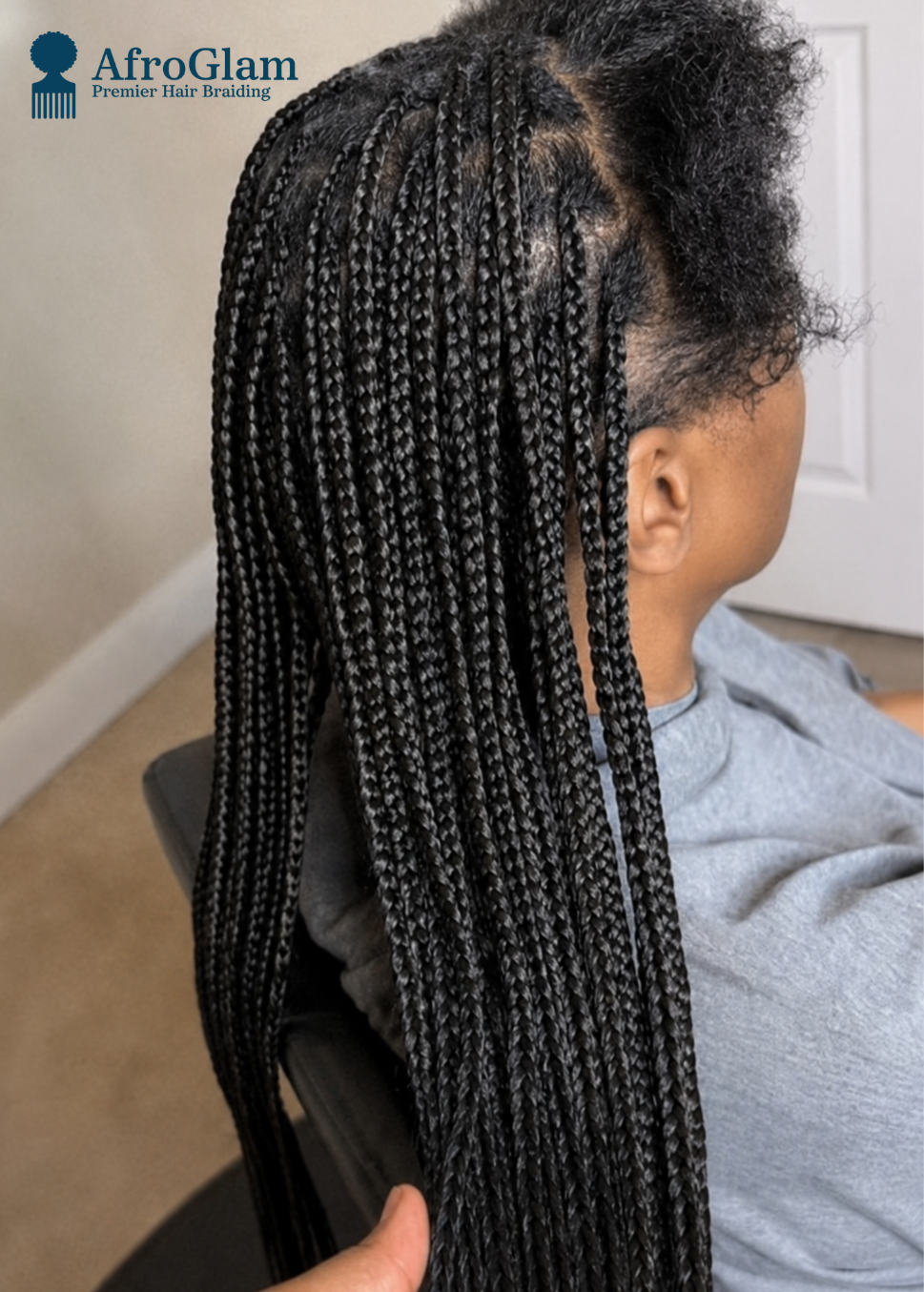
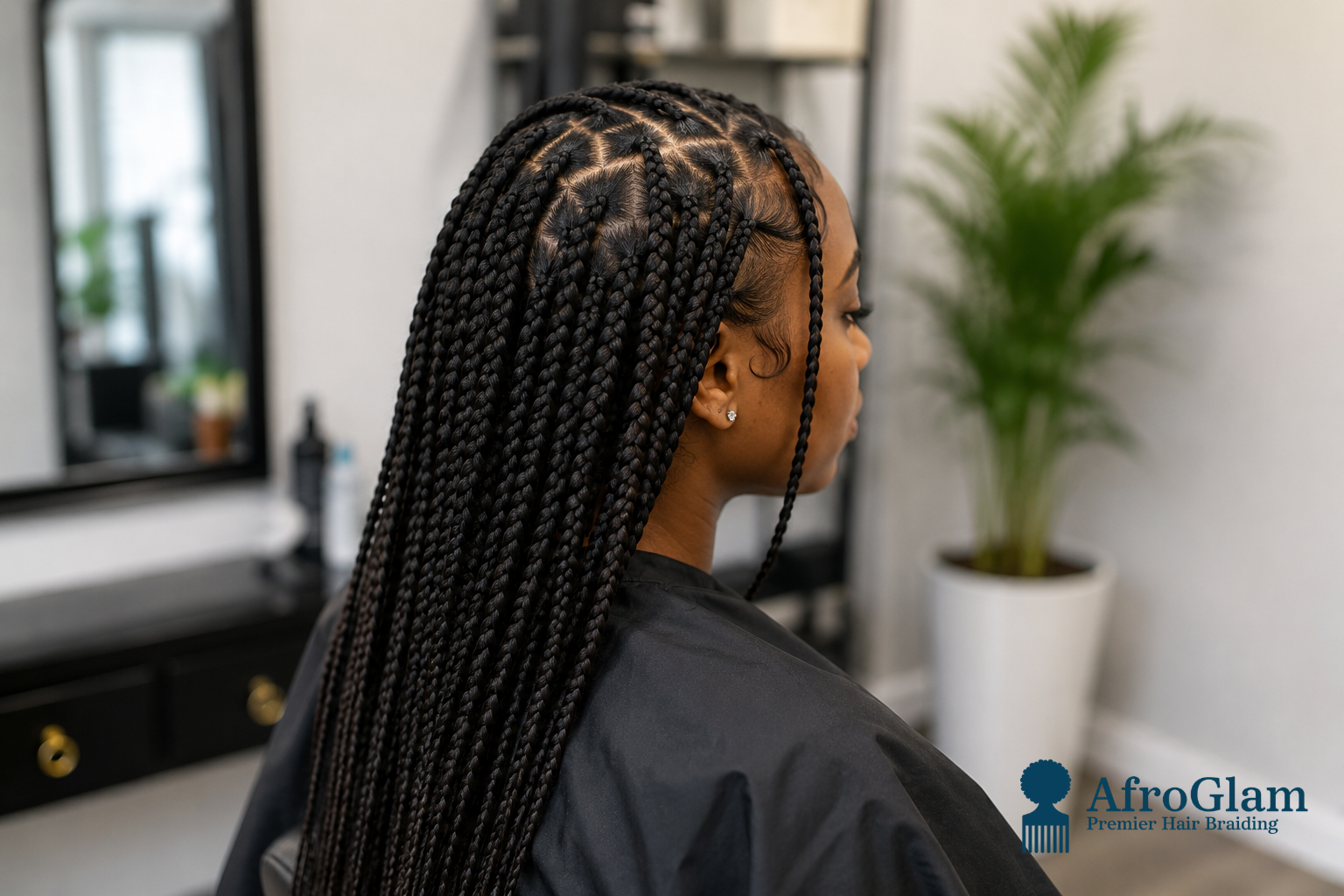
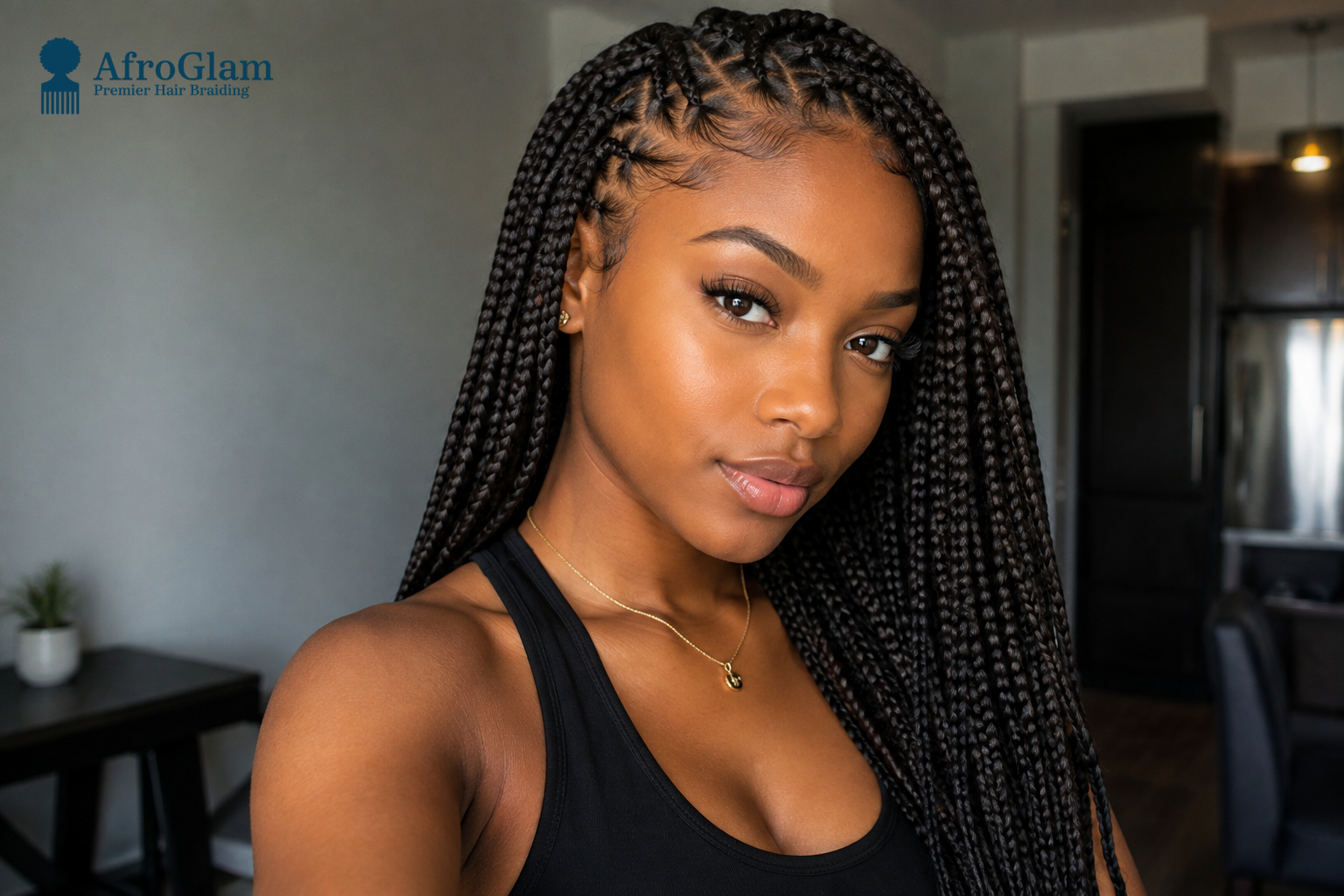
Knotless braids are all the rage because they don’t put a lot of stress on your scalp. They’re done by gradually adding hair as you braid, which makes them gentler and reduces the risk of damage. If your hair is fine or your scalp is sensitive, this style might be a good fit because it’s lighter and more flexible. For a natural look that’s easy on the scalp, knotless braids are a great option.
Research shows that styles that don’t pull at the roots can help prevent hair breakage. For a gentle protective style, try our knotless braids. This trend is part of a bigger shift in the beauty world towards keeping hair healthy, not just looking good.
Crochet Braids: Versatility and Speed
If you’re looking for something quick and versatile, crochet braids could be your go-to. This style uses a latch hook to attach hair to a cornrow base, offering lots of volume and different textures. Whether you want straight, curly, or pre-braided looks, crochet braids let you switch it up without spending hours in the salon. This is especially handy if you’ve got a packed schedule or if the seasons are changing.
When it comes to crochet braids, the quality of the hair you choose is more important than the method. Lightweight human hair works well for finer hair, reducing strain while blending naturally. Check out our crochet braids to see how the right texture can make a difference. For more on crochet techniques, visit Wikipedia.
Boho, Box, and Traditional Styles: A Spectrum of Choices
Boho braids, box braids, and cornrows each bring something unique to the table. Box braids are a classic choice if you want something that lasts and can vary in size and length. Boho braids are softer and perfect for a laid-back or festival vibe. Cornrows offer a great base for wigs or sew-ins, and can also be styled into intricate designs.
Knowing what you want from your braids helps you pick the right style. Box braids are low-maintenance for weeks, while boho braids work well for special occasions. If you’re setting up for wigs, our cornrows for wig service provides a solid foundation.
Assessing Your Hair Type and Texture
Understanding Texture and Density
Your hair’s texture and density play big roles in how well certain braiding styles will work for you. Texture is about the curl pattern and thickness of your strands, while density describes how much hair you have. These factors help determine how much extension hair you can handle and what braid size will be comfortable.
For instance, fine hair does better with medium-sized knotless braids or lightweight crochet styles. Coarser hair can handle thicker braids and longer installs. Getting this right helps avoid putting too much stress on your scalp.
Matching Braiding Hair to Natural Texture
When the texture of your braiding hair matches your natural hair, it looks better and feels more comfortable. Whether your hair is curly, wavy, or straight, the extensions should blend seamlessly. High-quality hair reduces friction and stress on your scalp.
Quality matters here. Cheaper synthetic hair can tangle and add too much weight. Salons that care about your hair’s health will recommend premium, heat-resistant options. If you're unsure, a chat with your stylist can help you figure out what’s best.
Considerations for Kids and Sensitive Scalps
If you’re styling kids or dealing with sensitive scalps, go for gentle techniques and shorter install times. Kids’ braids should avoid tightness and heavy extensions that can cause discomfort. Services like kids' box braids are designed with comfort in mind.
For sensitive scalps, consider knotless or looser crochet patterns to reduce irritation. A stylist can help with a gentle scalp check and recommend products to keep things comfortable.
Lifestyle Factors: How Your Routine Shapes Your Choice
Time Investment and Daily Care
How much time you can spend on your hair affects which braids are practical. Some styles take a long time to install and need regular upkeep. If time is tight, go for styles that are quick to put in, like crochet braids, or that last a while, like larger box or boho braids.
Your lifestyle plays a part too. If you're active or swim a lot, you'll need braids that can handle moisture and be cleaned with gentle products to keep your scalp healthy.
Work, Travel, and Longevity Needs
Think about how long you want your style to last and how it fits into your work and travel plans. If you travel often, you might want a low-maintenance look. For a polished, lasting appearance, box braids or cornrows could be the way to go.
Chat with your stylist about how long you want your style to last and what fits your timeline and budget. For touch-ups, services like touch-up braids can keep your look fresh.
Climate and Environmental Considerations
The weather can affect how your braids look and feel. Humidity can make styles frizz, while dry climates might dry out your scalp. Pick products and hair that suit your environment: lightweight moisturizers for dry areas, and anti-frizz formulas for humid places.
If you live in a humid place like Houston, talk to your stylist about humidity-resistant options. Our seasonal hair guide can help you choose styles that work with your local climate.
Hair Health and Safety Considerations
Understanding Traction Alopecia and How to Prevent It
Tight braids over time can lead to traction alopecia, which is hair loss from pulling on your hair follicles. Watch for thinning hairlines and breakage. To prevent this, make sure your styles aren’t pulling too hard on your roots and avoid wearing tight styles repeatedly.
Check your scalp regularly for soreness or redness. If you notice issues, it’s time for an adjustment or removal. Websites like WebMD offer more information on keeping your scalp healthy.
Scalp Hygiene and Cleaning Routine
Keeping your scalp clean helps prevent buildup and itching. Use a gentle, sulfate-free shampoo every week or two, depending on your activity level. This helps clear away sweat and oils that can accumulate.
After washing, moisturize your scalp with lightweight oils. Our salon offers a hair wash service that includes a scalp assessment and product recommendations for braids and extensions.
Safe Removal and Minimizing Breakage
Taking your braids out safely is just as important as putting them in. Don’t rush the process. Carefully unbraid from the ends to the roots, using products that help loosen the hair. If you run into tangles, a professional take-down service can help avoid damage.
Plan to remove your braids when recommended, and give your hair a break in between styles with conditioning treatments.
Choosing the Right Braiding Hair and Quality Factors
Human vs Synthetic Hair Options
Deciding between human and synthetic hair depends on your budget, the look you want, and how long you want it to last. Human hair usually looks more natural and can be styled with heat, while synthetic hair is cheaper but can tangle if it's of low quality. High-quality synthetic hair can be a good middle ground.
Investing in better hair can prevent tangling and help your style last longer. Salons that use top-notch hair often have happier clients and fewer problems.
Weight, Length, and Braid Size Considerations
The weight and length of the hair you add can affect your scalp. Longer, heavier extensions can put more pressure on your roots and might lead to breakage. For finer hair, go with medium or large braids and shorter lengths to ease the load. If your hair is strong and dense, longer, thicker styles might be okay.
Braid size also impacts how much care they need: smaller braids look intricate but take longer to install and maintain. Larger braids are quicker to put in and easier to handle day-to-day.
Quality Indicators and What to Ask Your Stylist
Ask your stylist about the brand of hair they use, whether it's heat-resistant, and how to care for it. Look for minimal shedding during a strand test and consistent texture. Good stylists will provide clear info and explain why a certain hair type works for you.
Seeing samples or photos of past work can help set realistic expectations. Salons that focus on client education and use high-grade hair usually get better feedback and have longer-lasting styles.
Case Studies, Salon Practices, and Real-World Examples
Client Example: Fine Hair + Knotless Braids
A client with fine hair chose medium knotless braids and noticed less tension and breakage compared to traditional box braids. The method eased pressure on the roots and made everyday styling easier. This example shows how matching the technique to hair texture can keep your hair healthy while looking great.
Salon Practice: High-Quality Hair and Professional Standards
A salon in Houston that uses high-quality, heat-resistant braiding hair found fewer issues with tangling and discomfort, which led to more repeat clients. Using professional-grade hair and advanced techniques like knotless braids boosted the salon’s reputation.
At AfroGlam Hair Braiding, we follow similar practices, recommending premium products and educating clients on upkeep. We also offer services like touch-up locs to keep your style looking fresh.
Local Regulatory and Cultural Context in Houston
In Houston, braiders work within specific regulations that ensure safety and professionalism. Understanding local styling preferences helps salons offer what clients want. For more on cultural and regulatory topics, check out local media like the Defender Network.
How to Prepare for Your Braiding Appointment
Pre-Appointment Checklist
Getting ready for your braiding appointment means prepping your hair and schedule. Talk to your stylist about the style and size you want, clean and detangle your hair a day or two before, and bring any reference photos. Mention any scalp sensitivities or recent treatments so your stylist can adjust as needed.
Confirm the type of hair to be used and any extra services like washes or touch-ups. If you have kids or time constraints, book a consultation or a longer appointment to set expectations.
Questions to Ask During Consultation
During your consultation, ask about the installation time, recommended braid size, hair quality, care tips, and the stylist’s experience with the technique. Knowing how to remove the style and what scalp stress to look out for is also key. A good consultation helps avoid surprises and ensures the style fits your hair health goals.
Ask about follow-up care and salon services like touch-up braids to keep your scalp healthy. Clear communication leads to better results.
Budgeting and Time Management
Braiding styles can vary in cost based on hair quality, install time, and stylist skill. Consider both the initial install and any maintenance appointments when planning your budget. Paying more for quality hair and a skilled stylist can reduce risks and improve the look and durability of your style.
Time is money, too: long installs need planning. If you're short on time, ask about faster options like crochet braids or pre-made styles that still look great.
Comprehensive FAQs and Troubleshooting
How Do I Know If My Braids Are Too Tight?
If you feel constant soreness, redness, headaches, or sensitivity at the roots, your braids might be too tight. Speak up right away so the stylist can loosen them. Don’t ignore ongoing pain, as it could cause long-term damage.
If tightness continues after you leave the salon, go back for an adjustment or removal to prevent further issues.
When Should I Wash My Braids and How?
Wash your scalp every one to two weeks with a gentle, sulfate-free shampoo to clear buildup without drying out your hair. Apply shampoo to the scalp, massage gently, rinse well, and let your braids air-dry or use low heat. Finish with light moisturizers and avoid heavy products that leave residue.
If you swim a lot, rinse your scalp after exposure to chlorine or saltwater and use a clarifying rinse if needed. For professional care, consider regular salon washes.
What If I Experience Shedding or Thinning After Removal?
Some shedding after removing braids is normal, but if you see significant thinning, it’s time to give your hair some TLC. Use deep conditioning, protein treatments, and gentle detangling. If thinning continues, see a trichologist or healthcare provider.
Follow-up salon services focused on healthy hair practices, like protective styles with minimal tension, can help. For professional removal help, try our hair extensions take down service.
Conclusion: Making a Smart, Healthy Choice
Key Takeaways for Choosing the Right Braiding Style
Choosing a braiding style involves balancing looks, hair type, lifestyle, and hair health. Opt for low-tension styles if you’re concerned about scalp sensitivity, match braiding hair to your natural texture for better blending, and invest in quality hair to avoid tangling and discomfort. Keep your scalp clean with regular, gentle shampoos, and give your hair breaks between installs.
At AfroGlam Hair Braiding, we focus on client education and personalized recommendations so you leave with a style that suits you and keeps your hair healthy. Check out our services from box braids to cornrows and kinky twists designed with safety and style in mind.
Next Steps and Call to Action
Ready to find a style that fits your life and protects your hair? Book a consultation with AfroGlam Hair Braiding to assess your hair, explore texture matches, and get a customized plan. Call us at (346) 430-9350 or visit our website to schedule an appointment and check out seasonal specials. For immediate services, see our online menu for crochet braids, knotless braids, and hair wash options.
We also recommend reading more on protective styling and hair health from trusted sources to complement what your salon tells you. For more on cultural and regulatory aspects of braiding, local reporting and industry coverage can be insightful.
Final Thought
Your braiding choice should boost your confidence and not compromise your hair’s long-term health. With the right info, quality materials, and a skilled stylist, you can enjoy styles that look amazing and support healthy hair growth. Contact AfroGlam Hair Braiding today to start your braiding journey.