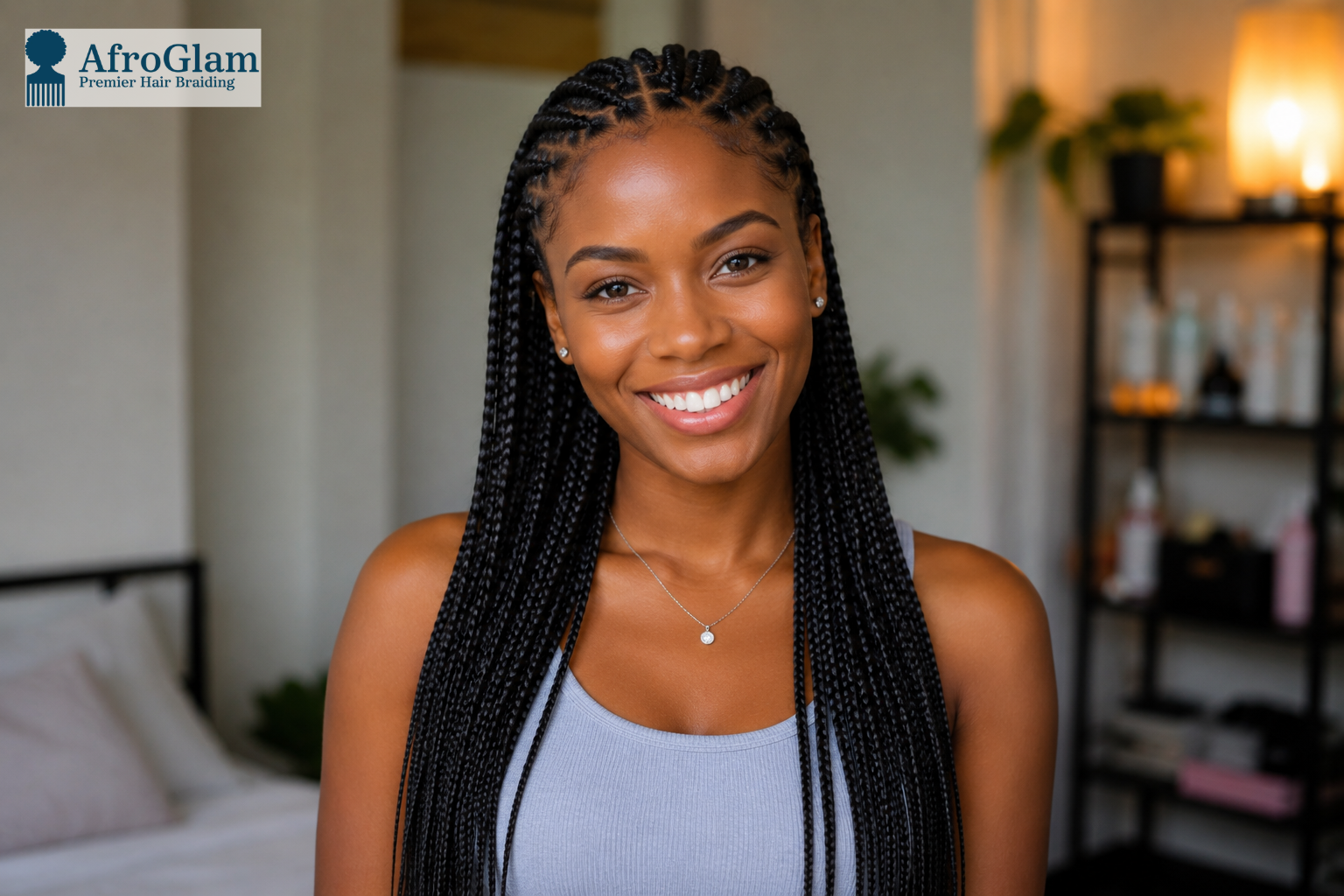
Braids are such a fantastic way to style your hair, but making them last without stressing your natural hair needs more than just a good installation. The real trick is having a routine that protects your scalp, cuts down on frizz, and keeps your braids looking fresh for weeks. In this guide, we'll chat about how to extend the life of your braid style, avoid common damage, and know when it's time for some upkeep or a fresh start.
If you're picking a braid style that lasts long and doesn't pull too much, consider knotless braids or boho braids. Knotless types ease up on the scalp, while boho styles add some fun texture and movement, though they might need a bit more untangling. For more on why braid tension matters, check out WebMD’s hair braiding overview.
Why Some Braids Last Longer Than Others
It's all about hair type, braid size, and tension.
Two folks might get the same braids but see totally different results. Hair density, strand thickness, curl pattern, and even your daily habits play a role in how long your braids stay neat. Smaller braids might look fresh longer because they distribute movement better, but they can take more time to install and remove.
Watch out for tightness. Braids that are too tight might look sharp initially, but can cause soreness and breakage before they settle. The American Academy of Dermatology warns that repeated pulling can lead to hair loss over time. For more on this, check out their advice on traction alopecia.
Trendy Braids and What They Mean for Upkeep
Trends like boho and knotless braids are popular because they look softer and more natural. Boho braids mix traditional styles with loose curls but can tangle if you skip nightly care. Knotless braids are easier on the scalp and grow out nicely, which helps them last longer without discomfort.
If you're torn between styles, check out our guide on boho braids vs. knotless braids for a breakdown of maintenance and wear time. Picking the right style from the start is a simple way to protect your hair.
Start With a Healthy Installation
Pick a braid style that fits your lifestyle.
Long-lasting braids begin before the first section. If you work out, wear helmets, or have a hectic schedule, you’ll need a style that's easy to refresh and less likely to build up gunk. Styles like box braids offer classic durability, while cornrows can be a neat, secure option.
Professionals also consider your lifestyle, scalp sensitivity, and hair texture before deciding on braid size and extensions. This is crucial in humid areas where frizz can sneak up fast and product buildup is more noticeable. A good braiding salon tailors your style to your life, not the other way around.
Ask for low-tension and clean sections.
The best braids aren't the tightest. Clean sections and low tension keep the style neat without pulling on edges. If your braids hurt right after they're done, that's not a good sign. It usually means the style might not last because tension creates stress at the roots.
Services like touch-up braids can refresh parts without a full reinstall. If your braids tend to loosen around the hairline or part line, planning for a touch-up can keep your style looking good longer while reducing manipulation.
Protective styling starts with the scalp.
A healthy scalp is the base for long-lasting braids. Before you start, cleanse and detangle so you're not trapping old hair or buildup under the braids. If your hair is dry or brittle, it might hold visually, but can weaken underneath.
That's why a fresh wash is important. Our hair wash service sets a clean base before braiding, reducing itchiness and residue. For more prep advice, read about getting your hair ready before a braiding appointment.
Moisturizing Braids Without Buildup
Light products work better than heavy layers.
Moisture is key, but more product isn't always better. Heavy creams and oils can sit on the scalp and attract lint and dirt. This buildup can age your braids and cause itching or irritation. Lightweight oils and spritzes hydrate without weighing hair down.
L’Oréal's braid care guidance highlights the importance of moisture and scalp care. You can check out more tips from L’Oréal Paris for maintaining knotless braids without product overload.
Focus on the scalp and exposed hair.
Even with braids, your natural hair needs moisture at the roots and any exposed parts. A simple routine works best: mist, apply a bit of oil to the scalp, and smooth product down the braid when needed. Avoid saturating your hair daily unless it really needs it.
In Houston's humid climate, too much product can mix with moisture in the air and make braids feel heavy. A lighter touch keeps the style clean and reduces odor. If you need a refresh between appointments, professional braid touch-up services are a great option.
Hydration isn't the same as greasiness.
Many mistake moisture for heavy oiling. True hydration comes from a balanced routine: cleansing, conditioning before braiding, sealing if needed, and refreshing the scalp carefully. Using thick products might feel protective, but they can make braids tough to clean and remove.
Think of hydration as maintenance. If your hair feels dry, address it in steps instead of piling on products. This approach keeps your style neat and helps your natural hair stay healthy.
Washing Braids the Right Way
Yes, you can wash braided hair.
Many avoid washing braids out of fear of frizz, but clean braids last longer. Sweat, product residue, and oils build up, especially if you work out or live in a warm climate. Washing removes buildup and keeps the scalp healthy, which extends the style's life.
Allure suggests washing braided styles regularly to cut down on buildup and support scalp health, typically every one to two weeks. For more technique tips, read their advice on washing braided hairstyles.
Use gentle cleansers and protect the braid structure
For proper washing, dilute shampoo if needed, focus on the scalp, and let suds rinse down the braid's length instead of scrubbing. Rubbing braids can create fuzz and loosen the style. Use the pads of your fingers or a soft applicator to apply cleanser.
After washing, squeeze out water with a microfiber towel or T-shirt and let braids dry completely. Damp braids under a scarf can smell musty. Full drying makes a big difference in longevity.
Match your wash schedule to your lifestyle.
If you sweat a lot, swim, or live in humidity, you may need to wash more often than someone with a quieter routine. Styles washed appropriately stay fresher and detangle more easily. This is why maintenance should be personal rather than copying someone else's routine.
Our hair wash service can fit into your plan before installation, and choosing the right braid products should depend on how often you wash. If you often wear protective styles, pairing the right wash routine with the right braid style gets the best results.
Nighttime Protection and Daily Habits
Wrap your braids before bed.
One of the best ways to cut down on frizz is also the simplest: sleep with a satin or silk scarf, bonnet, or pillowcase. Cotton soaks up moisture and causes friction, which can make braids fuzzy. A smooth barrier at night keeps the style neat.
For boho and gypsy styles, this is crucial because loose curls can tangle overnight. If you like styles like gypsy braids, wrapping them at night helps keep the curl pattern and reduces daily detangling.
Keep your hands out of your hair.
Constant touching, twisting, and restyling are quick ways to shorten your braid's life. Handling transfers oils and dirt to the style, especially around the front and sides. Treat your braids like a finished hairstyle instead of something to adjust all day.
If a loose braid bothers you, try not to pull on it. A small issue can become larger if you mess with the same section daily. When a braid starts slipping, it's often better to schedule a touch-up.
Use light edge control without product overload.
Edge control frames your face, but too much creates flakes. The goal is a clean finish, not stiff gel. Use only what you need, and be careful around the hairline since it's fragile.
For polished edges without extra styling pressure, styles like cornrows boho offer a trendy look with less daily upkeep. Less redo means the style lasts longer.
How to Handle Frizz, Slippage, and Tangling
Frizz is normal but manageable.
Frizz is part of having braids. What matters is if it's from natural hair growth or stress from friction or dryness. Lightweight mousse, careful wrapping, and regular upkeep keep frizz in check.
For curly textures, like 3b hair, stylists recommend thick gels during installation to hold the braid's shape while leaving room for natural curls. Some with 3b hair find better longevity by leaving edges out and using targeted hold products.
Watch for slippage at the nape and hairline.
Loose nape sections and slipping edges are common issues. These spots see the most movement from collars and daily activity, so they often need the first refresh. Instead of waiting until the whole style looks tired, address these spots early with a touch-up.
If your style needs a refresh but you don't want to restart, touch-up braids are practical. Small fixes can greatly improve appearance and reduce the urge to take down the style too soon.
Untangle boho ends before they become a problem.
Boho styles are in because they look soft and carefree, but loose curls can knot if ignored. A detangling spray and dedicated braid brush help maintain ends without breaking. Gently separate ends when needed.
For a trendy option that blends texture with polish, our boho braids service offers a chic look that can be maintained with the right nightly care. Routine upkeep is key if you want the trend without the mess.
When to Refresh, Touch Up, or Remove Braids
Know when it’s time for maintenance.
Braids usually last four to eight weeks, depending on braid size, hair texture, installation quality, and care habits. Some styles age beautifully, while others loosen quickly under daily stress. If your scalp feels sore, new growth is tangling, or the base is matting, it might be time for a refresh or removal.
To understand a braid’s life cycle, check out this guide on box braid maintenance. The most important thing is not to keep braids in too long, which makes removal tough and damaging.
Don't wait for matting to start.
Leaving braids in too long can cause tangling at the roots, making takedown harder. Once matting starts, there's a higher chance of breakage during removal because shed hairs get trapped. Schedule removal or refresh before braids are worn out.
If you need safe takedown support, a service like hair extensions takedown can protect your natural hair. The removal process is as important as installation when you want to keep length and strength.
Refresh rather than reinstall when you can
Not every braid style needs a full restart. If the main issues are fuzz or buildup, a targeted refresh may suffice. This saves time, reduces tension, and helps your natural hair recover between installs. It keeps you looking polished while protecting your hair.
In busy lives, that flexibility matters. Many in Houston prefer a maintenance plan that fits their schedule and weather rather than sticking to a strict calendar. A good stylist can help decide between a refresh or full removal.
Houston Climate, Salon Care, and Real-World Results
Humidity affects how braids behave.
Hot, humid weather can speed up frizz and make products feel heavier. In a climate like Houston’s, braid care needs to account for both air and hair moisture. This means using lightweight products, drying regularly after washing, and having a protective nighttime routine.
This is why local expertise matters. A salon familiar with the climate can recommend braid sizes, extensions, and products likely to hold up better. If you're looking for expert braid services, AfroGlam Hair Braiding in Houston offers styles for comfort, longevity, and neat results.
Salon maintenance can extend braid life.
Professional salon care isn't just for the first appointment. Washing, scalp treatment, braid touch-ups, and safe take-downs all help long-term results. Salons can also educate clients about product overload, a common reason braids get messy.
With salon maintenance and smart at-home habits, many clients see better retention. This is true for those who wear protective styles often and want to avoid breakage from constant styling. For custom service options, clients often pair braid installs with cornrows, regular twists, or other low-manipulation styles.
What a successful braid routine looks like
One real-world pattern keeps showing up: clients who install low-tension braids, cleanse gently every one to two weeks, wrap their hair at night, and avoid heavy buildup get the best wear time. Their braids stay fresh longer, and their natural hair looks healthier when the style comes out. Consistency is what makes it work.
If protecting your natural hair while keeping your style fresh is your goal, services like knotless braids, touch-up braids, and safe removal should be part of your plan. The best braid strategy supports beauty and hair health.
FAQs About Longer-Lasting Braids
How can I keep frizz down in my braids?
Use lightweight products, protect your braids at night, and avoid constant handling. Frizz is normal, but friction and too much product make it worse. A satin scarf or bonnet and a gentle refresh routine help more than extra cream.
Is it safe to wash my hair with braids?
Yes, gentle washing is safe and often recommended. A clean scalp supports comfort and longevity, while buildup can shorten the style’s life. Focus on the scalp, rinse well, and make sure braids are fully dry before covering them again.
How do I know when to take my braids out?
Look for signs like lots of new growth, matting at the base, constant itching, slipping braids, or discomfort that doesn't improve after a refresh. When the style becomes hard to separate cleanly, it's usually time to remove it. Keeping braids in too long can increase breakage during takedown.
What braid styles last longest with less damage?
Low-tension styles like knotless braids often feel more comfortable and can last longer with proper care. Box braids and cornrows can also hold up well if installed and cared for correctly. The best choice depends on your hair type, schedule, and styling goals.
Final Tips for Healthy, Long-Lasting Braids
Making your braids last without damaging your hair is all about balance. You need enough moisture to prevent dryness, enough cleansing to prevent buildup, and enough protection to cut down on friction and frizz. Most importantly, you want a style that feels good from the start because healthy braids shouldn't hurt.
Whether you like classic box braids, sleek cornrows, or a textured look like boho braids, the principles are the same: low tension, gentle upkeep, and timely removal. If you're ready for expert help, AfroGlam Hair Braiding offers professional service, experience, and a client-first approach to keep your hair looking fabulous and protected.
For a personalized consultation or help choosing the best style for your hair goals, contact AfroGlam Hair Braiding today and let our team help you build a braid routine that works in real life, not just in pictures.