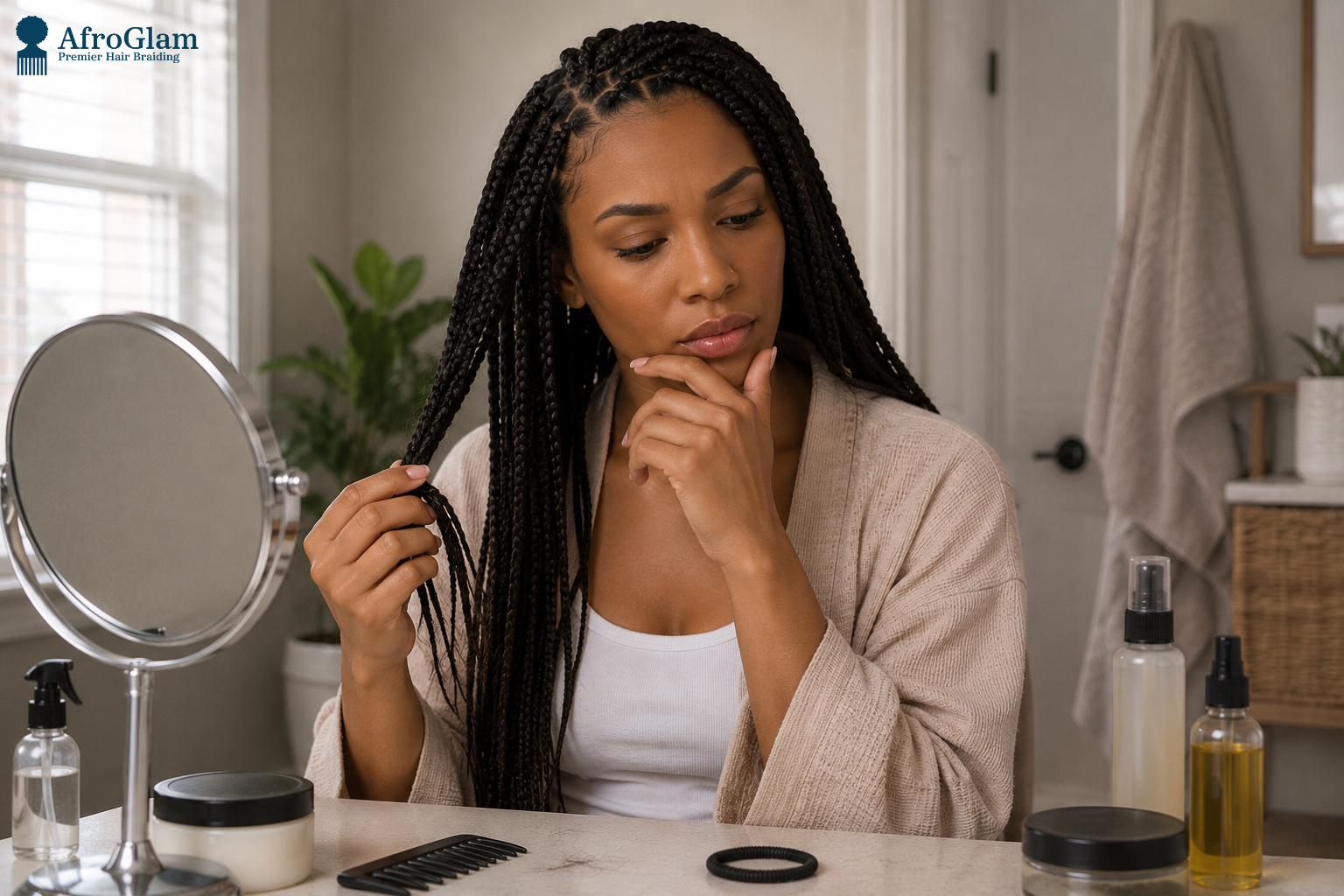
Essential Braid Prep and Aftercare: What to Avoid Before and After Getting Braids
Braids are super versatile and offer great protection for your hair, but how you prep and care for them makes all the difference. Want to keep your braids looking fresh and your natural hair healthy? Avoid common mistakes that lead to buildup, tension, dryness, and breakage. This guide lays out what to skip before and after getting your braids, and how to build a solid routine to keep your scalp happy and your style on point. If you’re planning your next look, consider trying knotless braids or box braids for styles that combine beauty and comfort.
Protective styling is on the rise, thanks to its flexibility, convenience, and cultural flair. Styles like knotless and boho braids are hot, while lighter, scalp-friendly products are gaining traction as folks focus on comfort and long-term hair health. A well-thought-out braid routine not only gives you a chic style but also keeps your natural hair in tip-top shape. For more on general hair care, the American Academy of Dermatology offers some handy hair-care basics, especially if your scalp tends to be sensitive or prone to buildup.
Why braid preparation matters more than most people think
A clean foundation supports healthier hair
Before you get your braids, your hair should be clean, detangled, and well-moisturized. A dirty or product-heavy scalp can trap oil, flakes, and residue under the style, which often leads to itching and odor. Clean hair also helps your stylist create neat parts and secure sections without too much friction. If you’re planning on a hair wash before your appointment, it’s a simple step that can really improve the look and longevity of your braids.
Skipping prep can shorten the life of your braids.
Many people make the mistake of showing up with tangled hair, split ends, or old product buildup, thinking the style will last. Braids hold better when your hair is stretched, detangled, and lightly moisturized, so your stylist can grip the hair evenly. Poor prep might make the style look frizzy sooner and feel tighter at the roots. For those wanting a sleek base under wigs or other styles, services like cornrows for wigs can reinforce the importance of a clean, even foundation.
What to avoid before getting braids
Do not braid over heavy buildup.
Heavy oils, thick creams, waxes, and gels can coat your hair and scalp, blocking proper cleansing. While these products might seem good for moisture, too much can leave residue that gets trapped once your braids are in. Experts recommend a thorough cleansing routine before braiding, starting with a clarifying shampoo followed by a moisturizing wash. This helps remove buildup without stripping your hair completely. For more on hair and scalp health, check out NIAMS.
Avoid getting braids with unresolved split ends.
If your ends are already damaged, braids can make the problem worse because your hair is pulled and manipulated for a long time. Split ends don’t fix themselves, so braiding over them can lead to more fraying and breakage. A trim before a protective style is often a good move, especially if you want to maintain strong natural hair underneath. This is why a pre-braid consultation is helpful: your stylist can spot weak areas and suggest the best plan.
Do not come in with a tender or irritated scalp.
If your scalp is inflamed, itchy, or flaky before your appointment, adding tension might make it worse. This doesn’t mean you can never get braids when your scalp is sensitive, but you should tackle the problem first. Sometimes it’s as simple as adjusting your wash routine or using lighter products. In other cases, it might be worth delaying the installation and focusing on scalp recovery. A careful stylist can help you choose a lower-tension option like knotless braids or a softer design like boho braids.
Do not skip detangling and stretching.
Hair that’s tightly matted or packed with shed strands makes the installation process more stressful. Detangling before braiding reduces breakage during sectioning and helps the braids lay more neatly. Stretching the hair also aids manageability, especially for those with dense, coily textures. A braiding appointment shouldn’t start with a rushed or rough beginning, as the quality of prep will show in the final result.
How to prepare your hair the right way
Start with a gentle cleanse
A clean scalp is the ideal starting point for any braid style. Many experts suggest using a clarifying shampoo first to remove buildup, then following with a moisturizing shampoo to restore softness and flexibility. This helps create a balanced base that’s neither greasy nor too dry. If you want a visual guide, check out this hair routine video for braiding prep before your appointment.
Moisturize without overloading the strands.
Healthy braids start with hydrated hair, but that doesn’t mean drowning it in thick products. A light leave-in conditioner or a water-based moisturizer can help, especially if your hair dries out quickly. The goal is to make the hair flexible enough to withstand installation without encouraging excess buildup once the braids are in. If you’re unsure what your hair needs, a consultation with a professional can help you find the right moisture level for your texture and style goals.
Choose a style that matches your hair and lifestyle.
The best braid style is one that works with your scalp, schedule, and maintenance habits. For a soft, natural look, you might prefer knotless braids, while those looking for neat geometric parts might lean towards cornrows. If you want something textured and playful, kinky twists could be your match. Picking the right style before installation prevents disappointment and reduces the temptation to keep braids in too long because they’re hard to remove or maintain.
What not to do immediately after getting braids
Avoid tight updos and high tension styling
After your braids are installed, your scalp needs time to adjust. Pulling them into tight ponytails, buns, or heavy top knots can add unnecessary stress at the roots, leading to pain or breakage. The first few days are crucial as your scalp adapts to the new style. If the braids feel too tight, don’t just wait it out—address the issue quickly. For more on this topic, see our related post, Why Do Tight Braids Hurt?.
Do not overload the scalp with oils.
Many assume more oil means more moisture, but too much can clog follicles, cause residue, and lead to an itchy scalp. Lightweight products are usually better as they hydrate without causing buildup. Trends are moving toward aloe-based sprays and low-residue oils for this reason. If you want a style that pairs with gentler upkeep, consider boho braids or gypsy braids that work well with lightweight maintenance routines.
Do not scratch aggressively when itching starts.
Some tenderness or itching can happen after braids are installed, especially if your scalp is sensitive. But scratching with nails can cause irritation, flaking, or even small sores. Instead, use a braid spray or a light scalp oil and massage gently with your fingertips. If itching becomes intense or persistent, it might be due to product sensitivity, tension, or buildup and may need professional attention.
How to maintain braids without causing damage
Protect your braids at night
One of the easiest ways to extend the life of your braids is to cover them while sleeping. A silk or satin scarf or bonnet reduces friction, which lowers frizz and breakage. Night protection also helps preserve your style, so you spend less time fixing edges or smoothing flyaways in the morning. Stylists recommend this habit because it’s simple, affordable, and effective. If your braid style needs a refresh later, consider a touch-up braids service to restore neatness without reinstalling the entire style.
Wash braids carefully when needed.
Yes, you can wash your braids, and often you should. Use a diluted sulfate-free shampoo directly on the scalp, then rinse thoroughly to avoid trapped residue. Clean braids help prevent odor, itchiness, and buildup, but must be dried fully afterward to avoid mildew. For guidance, the CDC hygiene guidance highlights how regular cleansing supports comfort and scalp health, even if it doesn’t focus specifically on braids. A careful wash routine is especially helpful if you wear braids for the full recommended duration.
Moisturize the scalp, not the braids, to the point of saturation.
Moisture is important, but braid maintenance works best when you focus on the scalp and the ends of your natural hair rather than soaking the entire style. Lightweight sprays, water-based mists, and small amounts of oil can help reduce dryness. Overapplying product can make braids dull, attract lint, and trap odor. The best approach is consistent, moderate care rather than heavy product use once a week in large amounts.
How long is too long to keep braids in?
Most styles should be removed within 6 to 8 weeks.
To cut the risk of breakage and scalp stress, many experts say to keep braids in for no longer than six to eight weeks. This window gives you the benefit of a protective style without letting new growth, tangling, and buildup create extra tension. Keeping braids in longer can make detangling harder and might increase the chance of damage during takedown. If you need to extend the style briefly, a service like touch-up braids can help keep a polished look while reducing the temptation to overstay the style.
Watch for warning signs that it's time to take them down.
Persistent pain, excessive frizz at the roots, visible buildup, or a strong odor signal that your braids may need to come out sooner. Don’t ignore scalp tenderness, especially if the pain worsens after the first few days. Your hair might also feel heavier as shed strands accumulate. A style can look good on the outside and still be stressing your hair underneath, so listen to your hair rather than just judging by appearance.
Longer wear is not always better.
Many think the longer braids stay in, the more “protective” the style becomes, but that’s not always true. Once new growth is too noticeable, braids can start pulling at the roots, creating tension. For longevity without damage, plan for a realistic wear period and maintain the style well during that time. Protective styling should support hair health, not make maintenance so tough that removal becomes a hassle.
What to avoid after taking braids out
Do not panic about normal shedding
Seeing more shedding after removing braids is common and doesn’t automatically mean damage. Hair naturally sheds every day, and braids can keep shed strands trapped until takedown. According to research, many people shed about 100 to 200 hairs per day for two to four weeks after removing braids. This might look dramatic, but it is often temporary and part of normal recovery.
Avoid rough detangling right away.
Post-braid hair is often tender, dry, or compacted from weeks of styling, so aggressive combing can cause unnecessary breakage. Start with gentle finger detangling, followed by a moisturizing cleanse and a slow, careful detangling session. If your takedown was extensive, a professional hair extensions take-down service can reduce the stress of the process and help preserve more of your natural hair. This is especially useful if your braids were installed tightly or worn for a long time.
Do not ignore your scalp recovery phase.
After braids come out, your scalp may need time to rebalance. This is a good moment to focus on gentle cleansing, hydration, and low-manipulation styling. If you want to continue with a protective look while giving your hair a break, consider a softer follow-up style, such as cornrows for a wig or a light twist option like regular twist. Recovery isn’t just about making hair look good again; it’s about restoring comfort and reducing stress.
Real-world salon insights and what clients often experience
What stylists see before braids
Stylists often notice the best braid results come from clients with clean, stretched, and moisturized hair. At a salon, a pre-braid consultation lets the stylist assess scalp condition, parting preferences, and style goals before installation. This planning helps reduce discomfort later. Services like kids box braids and kids cornrows braids especially benefit from careful prep because children are more likely to react to discomfort or tension quickly.
What happens after removal
Many clients are surprised by how much shedding they see after taking braids out, but this is often just the delayed release of naturally shed hair. A sensible recovery plan includes cleansing, deep conditioning, and a period of low manipulation. Some people also notice scalp tenderness or dryness, especially after a long wear period. In those cases, a gentle routine and a few days of minimal styling can make a big difference in how the hair feels and behaves.
Houston salons are helping clients learn better braid habits.
In Houston, more salons are educating clients about the full braid cycle instead of focusing only on the installation. That includes pre-braid prep, at-home maintenance, and safe takedown. A client-first salon can recommend products like lightweight oils and braid sprays so clients can maintain their style without causing buildup. This educational approach is part of what makes a braiding salon and beauty salon truly valuable, because the service continues long after the stylist finishes the final braid.
FAQ: quick answers about braid care mistakes
Can I braid my hair if it's dry?
You can, but it's not ideal. Dry hair is more fragile and can break more easily during sectioning and installation. Moisture should be light and balanced, not heavy or greasy, so the hair stays flexible without attracting buildup. If you're unsure, ask your stylist if your hair needs cleansing, conditioning, or a trim before braiding.
Is it okay to keep braids in for months?
Usually no. Keeping braids in for months can increase the risk of matting, buildup, and root tension. A six-to-eight-week wear window is generally safer for most people. If you need a longer-lasting look, maintenance appointments and careful upkeep are better than just leaving the style in too long.
What if my scalp itches after braids?
Some itching can be normal, but severe or ongoing discomfort shouldn’t be ignored. Use a light braid spray, avoid scratching, and check if the braids were installed too tightly. If the irritation worsens, the style may need to be loosened or removed.
Should I use grease on my scalp?
Heavy grease is usually not the best choice for braids because it can create buildup and trap dirt. Lightweight scalp products are often more effective and easier to wash out later. The trend toward scalp-friendly, low-residue products reflects a broader shift toward healthier braid maintenance.
Conclusion: Protect the style by protecting the hair
Braids can be a beautiful and practical protective style, but the difference between a great experience and a frustrating one often comes down to what you avoid. Don’t braid over buildup, unresolved damage, or an irritated scalp. After installation, avoid excessive tension, heavy products, and rough handling. When it’s time to remove the style, be gentle, patient, and realistic about shedding and recovery.
If you want your braids to last and your natural hair to stay healthy, start with a strong prep routine and finish with consistent aftercare. A professional consultation can help you choose the best style, whether that’s boho braids, knotless braids, or another protective style that fits your hair goals. For expert help, you can also explore our related resources on itchy scalp after braids and choosing a braiding style. Ready for a healthier braid experience? Contact AfroGlam Hair Braiding to schedule your next appointment and get personalized care from a team with decades of experience.