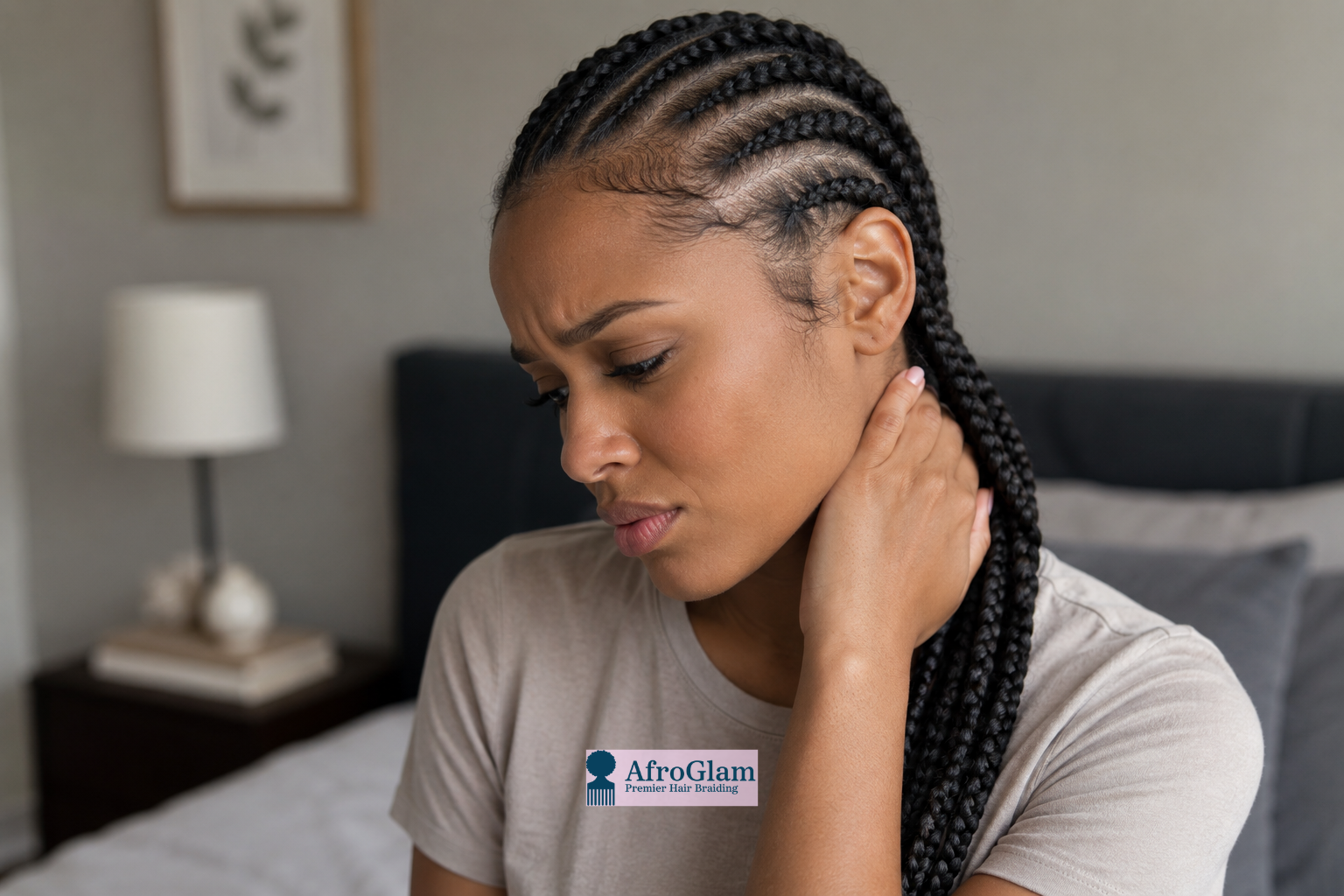
Why Do Tight Braids Hurt? Understanding the Impact and How to Avoid It
Braids are supposed to be stylish and protective, but when they feel uncomfortably tight, they can become more of a hassle than a help. Many folks think discomfort is just part of the deal, but constant tightness might be a red flag for your scalp and hair health. In this guide, we'll break down why braids can feel too tight, what those feelings mean, how to tell if it's normal snugness or harmful tension, and steps you can take to protect your hair. If you're weighing your braid options, consider styles like knotless braids or box braids since the way they're put in can affect how they feel over time.
According to the American Academy of Dermatology, tight hairstyles often lead to traction alopecia, a type of hair loss caused by pulling on the follicles. This means that pain today could lead to breakage, thinning, or losing hair at the edges later if the tension isn't resolved. For salon-goers, especially with sensitive scalps or curl patterns that shrink after braiding, catching the signs early can make a big difference. Looking for a gentler style? Try options like cornrows or kinky twists for a lower-tension approach when done right.
Why Braids Feel Too Tight in the First Place
Too Much Tension During Braiding
The main reason braids feel too tight is simple: too much tension during braiding. When hair is pulled tightly at the hairline, temples, or crown, the scalp can't move naturally, leading to tenderness, stinging, and headaches. Sometimes, you might not feel it right away, but after a few hours, your scalp will react to the stress. This is important to keep in mind for styles needing neat rows, as the structure should never compromise comfort.
Many describe it as a "burning" scalp or a pulling feeling that gets worse when you smile, chew, or sleep. These signs often mean the braids are too tight and need loosening. If you're getting ready for your next appointment, a good consultation can help you pick a style that suits your hairline and lifestyle. Services like touch-up braids can maintain the style without repeatedly stressing the same hair sections.
Hair Texture and Shrinkage
Your hair type greatly affects how braids feel. Natural textures, especially 4a to 4c curls, tend to shrink and compress after setting, making braids feel tighter than when first done. If shrinkage isn't considered, it can lead to unexpected tugging at the scalp. Skilled braiders often assess natural hair behavior to determine how much tension is appropriate.
Research and salon experience agree: not every head of hair responds the same way. A style perfect for one person might be uncomfortable for another due to differences in hair density, elasticity, porosity, and sensitivity. That's why personalized services matter. If you want a fuller but lighter finish, a service like boho braids may be styled to reduce strain compared to a more compact look.
Wear Time and Scalp Stress
Even braids that felt okay initially can become too tight over time. As days go by, the scalp adjusts to the weight and pull of the style, and small issues can slowly become more noticeable. The longer you keep a tight style, the greater the risk of irritation, buildup around the roots, and thinning at the edges. Experts suggest not keeping high-tension braids for more than six to eight weeks, although symptoms can appear sooner if the installation is too aggressive.
For long-term wear, maintenance is as important as the initial braid pattern. A healthy approach includes periodic cleansing, scalp moisturizing, and occasional adjustment rather than waiting for discomfort to become severe. If your style starts feeling heavy or painful, consider refreshing or removing it rather than enduring the discomfort. Services like hair extensions take-down can help minimize damage when removing a style.
What Tight Braids Mean for Your Hair and Scalp
Scalp Irritation and Inflammation
The first warning sign of tight braids is often scalp irritation, which might show up as redness, tenderness, itching, or small raised bumps along the parting lines and hairline. According to MedlinePlus, hair loss and scalp issues can be linked to styling habits that place repeated stress on the follicles, so discomfort shouldn't be ignored. Pain is your body's way of telling you that the tension is too much for your scalp to handle.
Irritation doesn't always mean permanent damage, but it's a sign to act quickly. The sooner you reduce tension, the better your chances of avoiding worsening inflammation and breakage. Gentle cleansing, careful moisturizing, and avoiding scratching can calm the area while you decide if the style needs loosening. If you often experience sensitivity, ask your stylist to adjust future styles like cornrows for a wig that requires a balanced foundation.
Traction Alopecia and Edge Thinning
A serious concern with tight braids is traction alopecia, which happens when hair follicles are repeatedly pulled, weakening them over time and causing thinning around the temples, hairline, and edges. Early signs include short, broken hairs, receding edges, or a sore scalp. If tension continues, the follicle can be so stressed that regrowth slows or stops in the affected area.
The good news? You can often prevent traction alopecia if you catch it early. The key is to heed your scalp's signals and make changes before stress becomes chronic. Many people recover well after switching to lower-tension styles and giving their hairline a break. If you're after a more comfortable protective option, knotless braids are often recommended as they place less pulling at the root.
Breakage and Weakened Strands
Beyond the scalp, tight braids can weaken the hair shaft and cause breakage. Firm pulling, especially at the hairline or ends, can compromise the cuticle and lead to small fractures. Over time, this results in shorter pieces, frizz at the roots, or thinning sections that struggle to hold styles. Hair that's already dry, color-treated, or heat-damaged is even more vulnerable.
This is why protective styles should protect the hair, not just hide it. A neat style, causing daily breakage, isn't doing its job. If your hair snaps under tension, discuss softer parting, fewer added extensions, or a different braid size with your stylist. Services like regular twist can offer a lighter alternative for a polished look without much root strain.
How to Tell the Difference Between Normal Snugness and Harmful Tightness
What Feels Normal on Day One
Fresh braids might feel a bit snug right after installation. Some firmness is normal because the style needs to hold, and your scalp might need some time to adjust. But "snug" shouldn't mean sharp pain, throbbing, or feeling it in your temples and forehead. The style should be secure, but your scalp should still feel relaxed.
A good rule is to notice how the braids feel when you move your head, sleep, or touch the base. Mild tightness that fades in a day or two is different from tension that worsens. If you can't comfortably tie a scarf, rest your head on a pillow, or wash your scalp without pain, the style is likely too tight. Don't wait to speak up.
Red Flags of Too-Tight Braids
Some warning signs should never be ignored. These include headaches, redness, bumps, soreness, swelling, trouble sleeping due to scalp pain, and extreme pulling around the edges. If you see tiny white bumps or scabbing near the roots, that might suggest inflammation or irritation from too much tension. In more serious cases, you might notice short hairs falling out along the front or sides.
If you experience these symptoms, your first step should be to reduce tension immediately. This might mean loosening a few front braids, relieving pressure around the hairline, or taking the style down sooner than planned. For some, a gentler install in the future is the best long-term solution. Styles like crochet braids can provide fullness with less pulling at the scalp.
Best Practices for Comfortable, Healthy Braids
Pick the Right Style for You
The healthiest braid style fits both your look and comfort. If you know your scalp is sensitive, ask for low-tension methods and avoid styles relying on heavy pulling. Knotless methods, lighter parting, and balanced section sizing can make a big difference in how a style feels after a few days. A good salon experience starts with an honest chat about what your hair can handle.
If you're unsure what to choose, a consultation can help you compare wear time, upkeep, and tension. For example, someone wanting a polished everyday style might go for cornrows boho, while someone after a special look might prefer a softer option with strategic fullness. The key is to select a style based on scalp health, not just looks.
Ask for Tension Control
Talking during your appointment is one of the easiest ways to prevent discomfort. Let your stylist know if you have a tender hairline, if a previous style caused headaches, or if you prefer a softer grip near the edges. A skilled braider can adjust hand pressure, section size, and braid direction to lower the strain while still giving you a neat result. Good braiding should never have you silently enduring pain because you're afraid to speak up.
If you notice pain during the service, mention it right away rather than waiting until the style is finished. A small adjustment early on can prevent days of discomfort later. Clients who value long-term hair health should also ask about maintenance services, since timely care often extends the life of a style without increasing tension. You can explore options like hair wash as part of a healthy prep and maintenance routine.
Include Scalp Care in Your Routine
Healthy braids depend on a healthy scalp. Keep buildup under control, moisturize lightly, and avoid products that leave the roots clogged or itchy. A clean scalp can reduce the urge to scratch, and less scratching means less friction and fewer chances of accidental breakage. Light oiling can be helpful, but more isn't always better, especially if your scalp gets greasy or irritated easily.
Think in terms of routine rather than emergency care. Before installation, wash and detangle thoroughly so the style begins on a clean base. During wear, monitor how the scalp feels after a few days and make minor adjustments if needed. Consistent care helps you avoid confusing normal settling with actual damage. If you need more guidance on prep, our related post on getting your hair ready before a braiding appointment offers a helpful step-by-step overview.
When to Remove Braids or Seek Professional Help
Signs You Shouldn't Wait
Sometimes the best decision is to take the style down sooner than planned. If you have ongoing headaches, worsening soreness, scabbing, or visible thinning, those symptoms can mean the tension is no longer safe to ignore. The same is true if your hairline seems to be receding or if the style has become impossible to cleanse comfortably. A protective style stops being protective once it starts causing repeated trauma.
It can feel frustrating to remove braids early, but protecting your hair now is usually cheaper and easier than repairing damage later. If the style is only slightly too tight, a professional may be able to relieve pressure in targeted areas without removing everything. For a safer transition, services like touch-up locs or careful take-down support can be part of a broader maintenance plan.
How Salon Care Supports Recovery
A professional salon can help you move from discomfort back to healthy styling. Experienced braiders know how to assess scalp condition, identify tension patterns, and recommend next steps based on your hair’s needs. In a city as diverse as Houston, many clients wear braids for culture, convenience, or fashion, which makes education just as important as technique. A quality salon should prioritize your comfort and explain why certain styles may be better than others.
If you're recovering from tight braids, ask about a gentle cleanse, moisturizing treatment, or low-tension reinstallation strategy. It can also help to take a short break between styles if your scalp feels overworked. The goal isn't to avoid braids forever, but to create a healthier cycle where styling supports hair growth instead of compromising it.
Common Questions About Tight Braids
How Tight Should Braids Be?
Braids should be secure enough to hold their shape but never so tight that they cause pain, stinging, or scalp irritation. If the style feels hard to sleep in, hurts when you move, or creates bumps along the seam lines, it is likely too tight. The right amount of tension will feel structured without feeling punishing. If you are unsure, ask your stylist to check the hairline and adjust tension during the service.
How Long Can I Keep Braids In?
Many experts recommend keeping high-tension braids in for no more than six to eight weeks, though the exact timing depends on your hair type, scalp health, and maintenance habits. If you notice discomfort earlier, do not rely on the calendar alone. The health of your scalp should guide removal, not just the original schedule. Early intervention can prevent major damage.
What if My Braids Only Hurt in the Front?
Pain focused near the front usually means the hairline and temples were braided with too much tension. These areas are especially delicate because the strands are finer and the follicles are more exposed to pulling. If this is happening, the front rows may need to be loosened or removed. For future appointments, ask for softer tension around the perimeter and consider a style designed with reduced root stress.
Final Thoughts: Healthy Braids Should Never Hurt
Comfort is Part of Good Braiding
Beautiful braids should make you feel confident, not miserable. A little snugness is expected, but pain, redness, headaches, and thinning are signs that the style is doing more harm than good. Understanding the difference helps you make smarter decisions about installation, maintenance, and removal. It also gives you the confidence to speak up when something feels off.
For clients who want a style that balances beauty and comfort, the best path is usually a thoughtful consultation, the right braid choice, and a braider who values scalp health as much as style. Whether you prefer a classic look or a softer protective style, the goal is the same: healthy hair that can thrive under a look you love. If you want expert help choosing a lower-tension option, explore our braid services, compare styles, and contact a professional who understands both aesthetics and hair care.
Take the Next Step
If your braids feel too tight right now, pay attention to the warning signs and act early. Loosen, adjust, or remove the style if needed, and choose lower-tension options next time. For personalized support and comfortable styling, learn more about our knotless braids, review our cornrows service, or book a consultation with AfroGlam Hair Braiding. Your scalp will thank you, and your style will last longer when comfort comes first.