Why Post-Braid Hair Care Matters
Taking out braids can feel refreshing, but your hair and scalp might be saying otherwise. After weeks in a protective style, your hair might be dry, shed hair could be trapped in the braid pattern, and your scalp might need some TLC from tension and buildup. A good post-braid routine isn't just nice to have—it's essential for bridging the gap between protective styles and healthy, natural hair. Planning your next style? Know your options, like knotless braids or box braids, for styles that are easier on your hair.
Experts say preventing breakage starts with how you treat your hair when it's most vulnerable. The American Academy of Dermatology notes that tight hairstyles can lead to traction alopecia over time, especially without breaks or proper scalp care. Want more on healthy hair practices? Check out the American Academy of Dermatology for insights on why tension and friction matter. The upside? With the right routine, most hair can bounce back beautifully after braids.
If you love protective styling, it's also smart to plan for taking them down. Many folks book a gentle hair extensions take-down or a soothing hair wash to ease the process. Whether you do it at home or in a salon, the goal is the same: protect your roots, keep your length, and restore moisture ASAP.
First 48 to 72 Hours: Gentle Recovery Comes First
Finger-detangle before reaching for tools
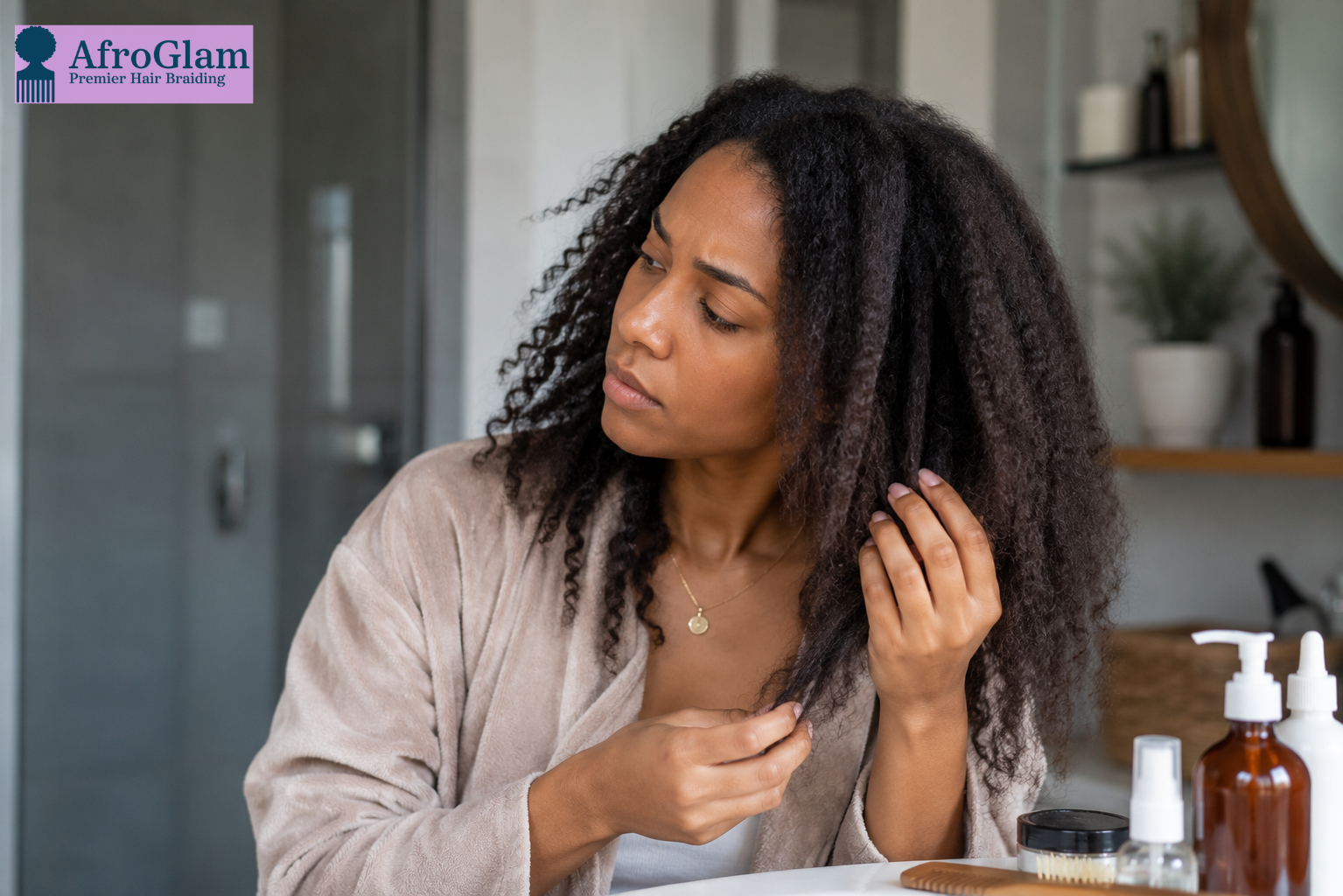
First things first—slow down. Don't rush to use a comb or brush because freshly unbraided hair can tangle easily, especially where shed hairs have been trapped. Start with your fingers, gently separating hair into small sections. This method reduces friction and lets you find knots before they turn into breakage. The early steps often make the biggest difference in your hair's look a week later.
Finger-detangling is especially helpful if your braids were in for a while or if you notice extra shedding right after removal. Hair naturally sheds every day, and in braids, those hairs get caught until take-down. If you need a hand, a stylist can help with careful detangling before reinstalling styles like regular twists or cornrows. Treat your hair delicately; it usually needs it.
Moisturize the scalp without overloading it.
After removing braids, your scalp might feel dry or itchy. A lightweight leave-in conditioner or aloe-based product can calm and hydrate without heavy buildup. Keep products simple and water-based. Heavy creams can sit on the scalp, especially in warm weather, making your hair feel greasy instead of refreshed.
If you live in a hot climate like Houston, lighter products might be better since humidity can make heavier products feel greasy faster. For sensitive scalps, soothing ingredients and fragrance-free options are best. The Mayo Clinic notes that scalp irritation can stem from dryness or product buildup, so listen to what your scalp needs. If irritation persists, a dermatologist is your go-to.
Avoid tight styles and high tension.
Even if you want your hair looking polished right away, skip tight ponytails and edge control overload. Your scalp and edges need a break after braid tension, so low-manipulation styles are safest. Loose buns or wash-and-go styles are better than anything that pulls. This is also a great time to give your hair a true break before the next protective style.
Undecided on your next style? Consider low-tension options like crochet braids or neat foundation styles like cornrows for a wig. These styles can minimize daily manipulation. Remember, the recovery period is about restoring balance, not just changing your look.
Days 3 to 7: Cleanse Without Stripping
Use a diluted sulfate-free shampoo.
By day three, your hair and scalp will benefit from a gentle wash. A sulfate-free shampoo, diluted with water, can clean buildup without stripping moisture. After braids, there can be product residue, sweat, and oil near the scalp. A mild wash gives your hair a fresh start while keeping its natural barrier intact.
Focus on the scalp first, letting the suds move through the strands as you rinse. Avoid aggressive scrubbing to prevent unnecessary breakage. According to the National Institute of Arthritis and Musculoskeletal and Skin Diseases, hair loss can have various causes, including hairstyling practices, so gentle cleansing is key to long-term hair health.
Deep condition for moisture and elasticity
Once your hair is clean, use a rich conditioner or hair mask for 20 to 30 minutes. Deep conditioning can restore elasticity and softness after braids. If your hair has been in long-term protective styles, a mask with slip and nourishing ingredients might work better than regular conditioner.
During this stage, use your fingers or a wide-tooth tool gently, starting at the ends and moving up. If your hair tangles easily, sectioning before conditioning can help. People who alternate between braids and natural styles often benefit from professional salon maintenance, like touch-up braids.
Moisturizing and Sealing: Rebuild the Hair’s Hydration Layer
Apply leave-in conditioner to damp hair.
After washing, apply a water-based leave-in conditioner to damp hair for better moisture penetration. Hair fresh out of braids is often thirsty, and dry strands are more likely to break. Focus on the ends, as they're the oldest and most fragile part. A simple leave-in can drastically improve softness.
For many, this step determines whether post-braid recovery feels smooth or like a struggle. If your hair absorbs moisture quickly, you might need more product or a richer leave-in. If it feels coated, try using less. Listen to your hair's texture rather than sticking to a set amount.
Seal with lightweight oils.
Once moisture is in, seal it with a light oil like jojoba or almond oil. The aim is not to drown your hair in oil but to lock in moisture and add softness. Lightweight oils are better than heavy butters post-braids because they won't weigh your hair down or clog your scalp. A little goes a long way in the right places.
This is also where many go wrong by using too much product too soon. Balanced moisture routines work best, especially with periodic treatments that support both softness and strength. Many salons recommend pairing moisturizing care with styles like boho braids or gypsy braids if you want texture without losing flexibility.
Balance protein and moisture weekly
Hair that's been in braids may need more than just hydration. If your strands feel mushy or weak, a light protein treatment can help. If your hair feels stiff, a moisturizing mask might be better. The goal is to address what your hair lacks without overloading it. A weekly rotation between moisture and protein can keep natural hair resilient.
After long protective styles, it's normal for your hair to behave differently. It might take a week or two of steady care to feel balanced again. Post-braid hair care is more about smart choices working together than a single product solution.
Scalp Care: Treat the Root, Not Just the Strands
Remove buildup and calm irritation.
The scalp can hold onto sweat, styling products, and dry skin after braids, so a soothing cleanse is key. A scalp spray or light rinse can make a big difference. Some prefer menthol-infused products for their cooling effect. Avoid anything too harsh if your scalp is tender.
The Centers for Disease Control and Prevention highlight that repeated pulling and tension can impact hair and scalp health. Your scalp needs relief after stress. If redness or soreness continues, it might signal irritation or something else that needs professional attention.
Massage the scalp to support circulation.
Gentle scalp massage can improve comfort and help you reconnect with your hair. Use your fingers, not nails, and move in small circles to encourage blood flow without scratching. A few minutes a day is enough.
Scalp massage can also help you notice tender spots early. If one area hurts, it might indicate a braid was too tight. This feedback can guide your next styling choice. For a more relaxed experience, a salon visit can include scalp-focused care with styling.
Detangling and Breakage Prevention: The Long Game
Work in sections and use slip.
Ready to detangle more thoroughly? Divide your hair into sections and use a product that provides slip. This helps strands glide apart instead of snagging. Start at the ends and work upward in small increments. If a knot resists, pause and add more conditioner rather than forcing it. That short pause can save you unnecessary breakage.
Recovering after braids isn't about perfection; it's about reducing damage. A few extra minutes spent detangling carefully can preserve length that took months to grow. This is crucial for those who wear styles like kinky twists or plan to switch styles soon after removal. Healthy hair comes from repeated small habits, not a single big treatment.
Know what is normal shedding.
Many panic when they see a lot of hair come out after braids, but some shedding is expected. Hair that naturally fell out while styled gets trapped and comes out during take-down. It can look dramatic, but it doesn't always mean damage. The key is whether shedding continues or stops once your scalp settles.
If shedding is mild and your scalp feels fine, your hair is likely adjusting normally. If you notice thinning, pain, or prolonged breakage, it might be time to seek advice from a trichologist or dermatologist. Understanding normal shedding versus damage can reduce unnecessary worry.
What a Four-to-Eight-Week Recovery Routine Can Look Like
Week one: reset and soothe
In the first week post-braids, focus on cleansing, detangling, deep conditioning, and low-tension styling. Avoid constant manipulation and heavy gels. Give your hair time to settle. This week is about comfort and getting your scalp back to normal.
Weeks two to four: build consistency
During weeks two through four, stick to a simple routine of moisturizing, sealing, and gentle detangling. This is when you'll likely notice improvement in softness and elasticity. Regular trims can help if your ends feel rough, but trim based on actual damage rather than a set schedule. Those who keep up with maintenance often find it easier to transition to a new style without breakage.
Weeks five to eight: assess strength and plan ahead
By weeks five to eight, your hair should feel more balanced. It's a good time to evaluate your routine and decide if your next protective style should change. For instance, if your edges were stressed, opt for a looser installation next time. If dryness was an issue, focus on hydration before your next style. Many who follow a structured recovery plan notice improved manageability and reduced shedding during this period.
If your hair needs a complete reset before another style, professional help can make a difference. Services like sew-ins or a customized braiding approach can be scheduled with attention to tension and scalp condition. The goal is to pick a style based on what your hair needs, not just what looks good.
Common Concerns After Taking Braids Out
Dryness and brittleness
Dryness is a common complaint after braid removal. The fix isn't just more oil; it's a full moisture routine with water, leave-in conditioner, sealing, and deep conditioning. If your hair feels brittle, reduce heat styling and focus on adding softness and hydration.
Scalp irritation and tenderness
If your scalp feels sore or sensitive, it could be from tension or product buildup. A cool rinse, gentle massage, and low-fragrance products can help. If irritation persists, don't wait to get it checked. A healthy scalp shouldn't remain tender long after a style is removed.
Breakage around the edges
Edges often show stress first because they're fine and delicate. Give them a break from tight styles and aggressive brushing. For a styled look, keep it loose and low tension. This is why many choose braid styles that are gentler on the hairline or consult salons that understand healthy styling.
When to Seek Professional Help
Signs that call for expert attention
See a professional if you notice bald spots, prolonged pain, significant shedding, or recurring scalp irritation. A stylist can help with gentle detangling and maintenance, while a dermatologist can address medical concerns. Knowing when to seek help protects your hair and peace of mind.
At a salon like AfroGlam Hair Braiding, post-braid care can be part of a bigger hair health plan. Clients may benefit from a soothing wash, moisturizing treatment, or a transition style that reduces future stress. If you're in Houston and want a style change that respects hair health, working with a salon that understands recovery and maintenance can make the process easier.
How to choose your next style wisely
Your next hairstyle should fit your schedule, scalp condition, and hair goals. If you loved the convenience of braids but dealt with buildup, consider a lighter style or a more spaced-out maintenance plan. For protecting hair between styles, ask about low-tension options and plan regular take-down breaks. That's how protective styling stays protective, not stressful.
If you're exploring style options for your next phase, check out services like cornrows boho, free style, or a consultation through Houston Hair Braiding. Matching the style to your hair’s condition is one of the best habits you can build.
Final Thoughts: Give Your Hair Time to Recover
After taking braids out, your hair needs more than just one miracle product. It needs patience, moisture, gentle detangling, a clean scalp, and a plan that suits your hair's condition. Treat the first few days after removal as recovery time to give your hair the best chance to stay strong and keep its length. That's the real value of post-braid care: it makes a temporary style part of a healthier routine.
Over time, those who stay consistent often see the best results. Many notice less breakage, easier detangling, and better moisture retention within four to eight weeks of following a structured plan. Whether you manage care at home or get professional support, the key is to be intentional. Your hair worked hard inside those braids, and now it deserves a thoughtful reset.
If you’re ready to care for your hair the right way after braid removal, AfroGlam Hair Braiding is here to help with expert service, protective styling guidance, and salon care tailored to your needs. Explore our services, schedule your next appointment, or call (346) 430-9350 to talk about the best next step for your hair.