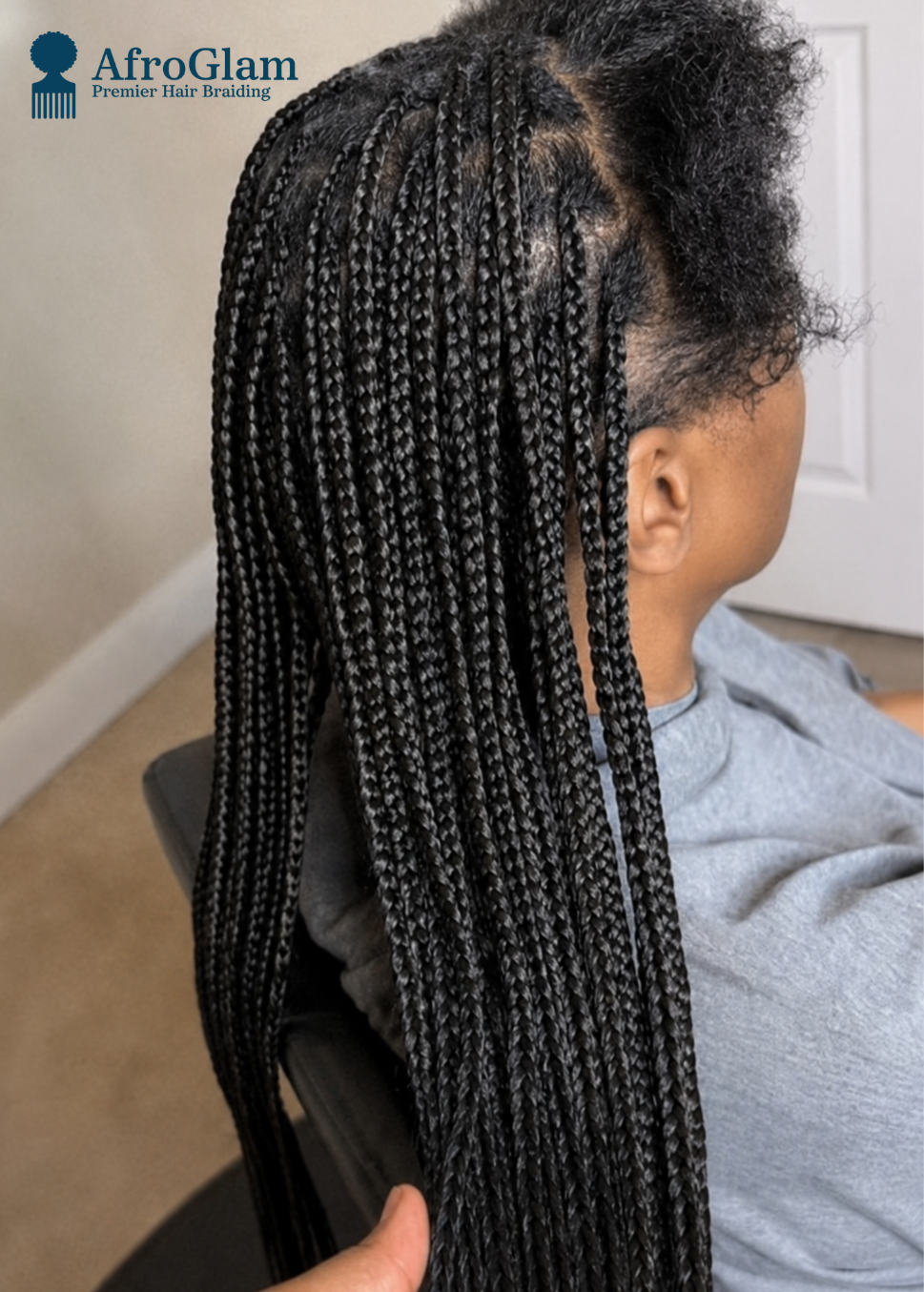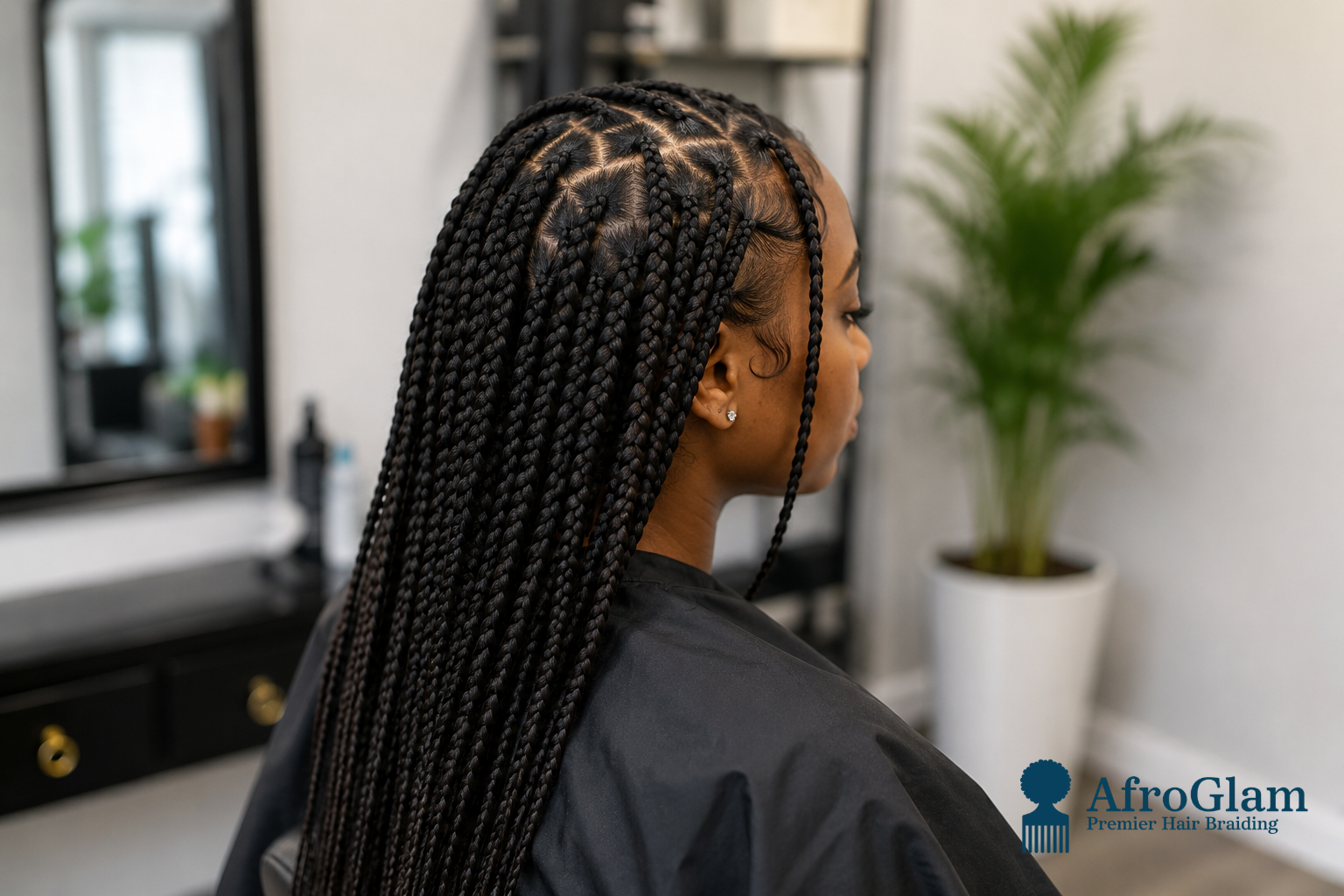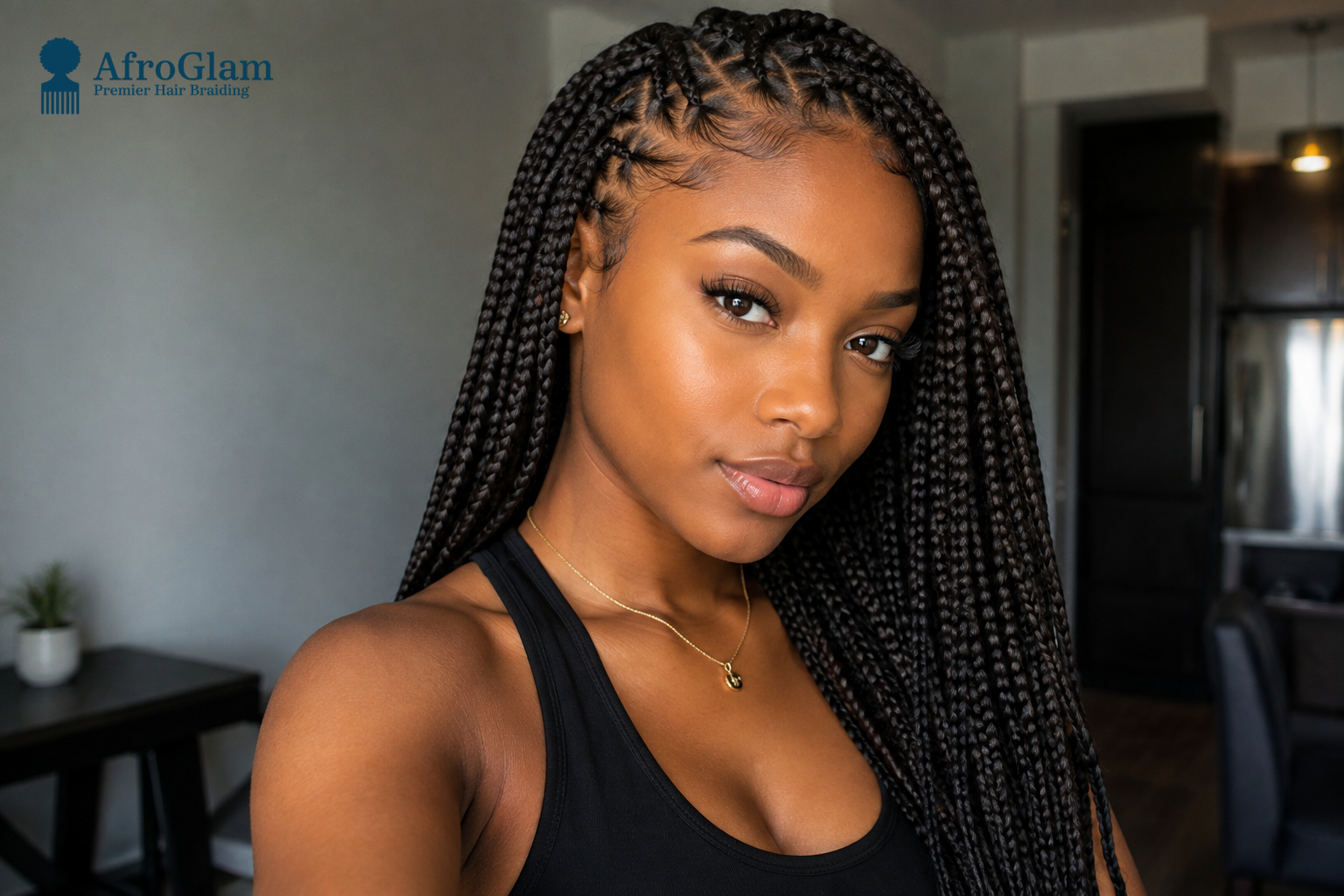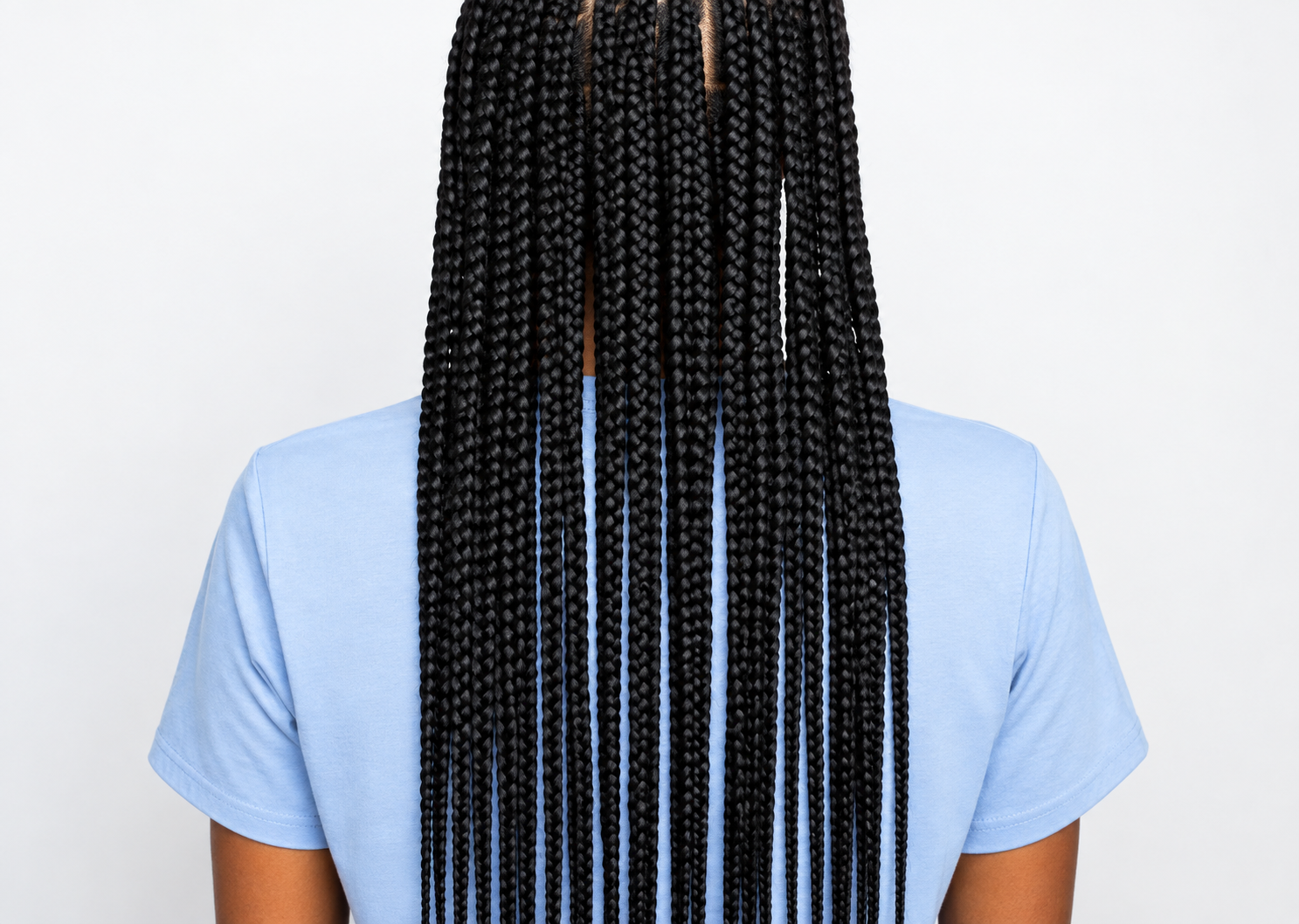
Introduction: Why Braid Maintenance Counts
Braids are a fantastic way to style your hair, but the secret to keeping them looking great is all about maintenance. Want to keep your braids fresh for longer? It's simple: protect your scalp, minimize friction, control buildup, and stick to a good care routine. This guide will show you how to keep your braids looking good while ensuring your hair stays healthy underneath.
Whether you're sporting knotless braids, box braids, or a boho style, your daily habits play a big role in how your braids hold up. If you're looking for more style inspiration, our guide on knotless braids can help you understand why the right installation makes upkeep easier. Healthy braids don't just look good; they feel more comfortable, keep your scalp happy, and help your hair grow.
The American Academy of Dermatology suggests gentle hair care and avoiding too much tension to prevent breakage and scalp stress. Check out more hair care tips from the American Academy of Dermatology and learn about scalp health from NIAMS. So, good braid care isn't just about looks; it's about keeping your hair and scalp in top shape.
Get the Installation Right
Pick a Style That Works for You
Your braid journey starts before you even leave the salon. Choose a style that matches your hair type, sensitivity, daily routine, and how much maintenance you're willing to do. If you need something gentle and easy, knotless styles or lightweight twists might be better than tighter, heavier options.
For a polished look that's easy to manage, consider regular twists or kinky twists. If you're prepping for a wig install, neat cornrows for wigs can help the style sit flat and last longer. Picking the right service makes upkeep easier because the braid pattern works with your life, not against it.
Tension and Braid Longevity
A common mistake is thinking tighter braids last longer, but that's not always true. Tight braids can cause headaches, frizzy roots, irritation, and even breakage around the edges. A balanced tension keeps hair and scalp healthier, making the style last.
Experts warn that repeated tension can lead to traction alopecia if styles are too tight. The Cleveland Clinic has more on traction alopecia. Braids should feel secure but never painful. If they hurt during installation, speak up so adjustments can be made.
Keep Your Scalp Clean and Happy
Wash Without Messing Up Your Style
Keeping your scalp clean is key to fresh braids. Sweat, oil, and product residue can build up fast, especially if you're active or it's hot out. A gentle cleansing routine helps reduce itching, odor, and flaking.
When washing braided hair, use diluted shampoo or a special scalp cleanser and apply it directly to the roots. Gently massage with your fingertips, avoiding scrubbing the braid lengths. This removes buildup without causing frizz. If you want a professional cleanse, our hair wash service can reset your scalp and prepare your hair for better care.
Handle Sweat, Oil, and Buildup
Even well-installed braids can look dull if products pile up on the scalp. Heavy oils, thick creams, and too much edge product can leave a residue that ages styles quickly. Use lightweight products sparingly to keep your roots clean and parts visible.
If you struggle with buildup or itching, it's often about maintenance habits. Our itchy scalp guide discusses common causes like sweat and product residue. Prevention is key, and less product often works better.
Protect Your Braids at Night
Use Satin or Silk to Reduce Friction
Nighttime care can extend the life of your braids. Cotton pillowcases can cause friction, leading to frizz and dryness. A satin bonnet, silk scarf, or satin pillowcase helps your braids glide instead of rub, keeping your style smoother.
If you wake up with frayed edges or flattened braids, your nighttime routine might need a tweak. Wrapping your hair before bed maintains the style's shape and reduces stress from tossing and turning. This is especially helpful for longer styles and braided looks with curls or loose ends.
Refresh Your Edges and Ends in the Morning
A quick morning routine keeps your braids looking neat. Lightly separate flattened roots with your fingers, smooth flyaways with a tiny bit of product, and check the ends for dryness. The aim is to restore shape without overdoing it.
Avoid heavy gels daily, as they can dry out your hairline and cause flakes. Small maintenance habits beat aggressive fixes. If your style includes soft curls or a flowing finish, like boho braids or cornrows boho, gentle morning care is crucial to prevent tangling.
Moisturize Smartly
Focus on the Scalp, Not Product Overload
Moisturizing braids is important, but too much can make them look dull. Keep the scalp hydrated with lightweight products and avoid thick creams. Overdoing it can attract lint and cause buildup.
A light leave-in spray or braid mist helps maintain softness, especially for textured hair that dries out fast. Apply just enough to refresh the scalp and prevent brittleness. Balanced hydration keeps the style comfortable between appointments.
Spotting Dryness Problems
Dryness shows up differently depending on the braid style. Some notice a tight, itchy scalp, while others see rough ends or a loss of shine. These are signs your routine needs tweaking. Tackling dryness early prevents breakage and helps keep the style.
If your braids are losing softness, revisit prep and aftercare habits. Our braid prep and aftercare guide offers practical ways to reduce dryness before installation and support healthier wear afterward. For styles needing clean parting and a polished finish, a refreshed install like touch-up braids can restore the look without starting over.
Reduce Frizz and Keep Parts Neat
Minimize Touching
Frizz is normal, but too much comes from over-manipulation. Pulling, twisting, or restyling the hair wears at the roots and loosens braids faster. The less you touch the style, the longer it lasts.
Try to separate the scalp, braid length, and ends only when needed. If you like a fuller, more natural finish, styles like gypsy braids or boho braids may suit you because they embrace texture and movement. Still, even these styles last longer with gentle care.
Effective Frizz-Control Methods
A little mousse, braid spray, or light setting product can tame frizz without stiffening the hair. Apply product with clean hands and focus on the outer layer instead of coating every inch. Too much product leads to buildup, aging the braids.
For some, a professional braid touch-up revives the style when roots loosen. This approach saves time and preserves the original install. If your braids are structurally sound but the front needs work, touch-up care is a smart middle ground.
Know When to Refresh Instead of Waiting Too Long
Signs Your Braids Need Maintenance
Not every style needs removal when it looks less crisp, but waiting too long can cause tension and tangling. Signs you need maintenance include loose roots, buildup near the scalp, frayed ends, and discomfort while sleeping. If your braids no longer lay neatly, they need attention.
Maintenance is crucial for styles meant to stay sleek and structured, like cornrows or crochet braids. These styles continue looking polished if the roots are neat and the scalp is cared for. The longer you wait, the harder it is to revive the look without a full redo.
Why Small Salon Visits Help
Some think braid maintenance means starting over, but that's not always true. A quick professional refresh can extend a style by cleaning up the perimeter, tightening sections, or restoring hairline definition. This is handy when you have a busy schedule and need your style presentable for work or events.
If unsure whether you need a refresh or a reinstall, a consultation can help you decide. Some styles can benefit from a targeted cleanup, while others may need removal and reinstallation for hair health. If your style has grown significantly, a hair extension takedown followed by cleansing may be the healthiest option.
Protect Your Braids from Daily Damage
Avoid Harsh Weather and Friction
Weather affects braids more than you might think. Humidity creates frizz, dry air causes roughness, and wind can tangle loose ends. If you're outdoors a lot, protect the style with a scarf or hat to maintain the braid pattern.
Friction from jackets, backpack straps, seat belts, and collars can also loosen the style over time. Be mindful of where your braids rub during the day. Small tweaks, like lifting your hair off your shoulders or smoothing ends after commutes, keep your style neat.
Exercise and Swimming Care
Exercise is healthy, but sweat and movement challenge braided styles. After workouts, let your scalp dry fully and blot sweat from the roots. Avoid tight buns or elastic bands, as they can dent and create tension.
If you swim often, rinse your braids to remove chlorine or saltwater residue. Hair care experts recommend proper cleansing after swimming to reduce dryness and scalp irritation; MedlinePlus has more on hair and scalp care. Protective styles like kids' box braids still look great with the right sweat management.
Pick the Best Braid Style for Your Routine
Low-Maintenance Options
Some braid styles need less upkeep. If you prefer a polished look with minimal styling, neat box braids, twists, or structured cornrows are ideal. Installed carefully, these styles hold up well with simple nighttime care and light moisturizing.
For a more customized or artistic option, a free-style design can match your personal look and care preferences. Families often find styles like kids' cornrows easier to manage when they're simple and comfortable.
Think About Style Longevity Before Your Appointment
To keep braids fresh longer, choose a style that suits how often you want to maintain it. Styles with loose curls or decorative pieces may need more attention than classic braids. This doesn't mean avoiding creative styles; just ensure your aftercare matches the design.
At AfroGlam Hair Braiding, we help clients choose styles that fit their routine and desired wear time. From our experience in Houston, the happiest clients plan for beauty and practicality. When you know how your style behaves, it's easier to keep it looking fresh from start to finish.
Avoid Common Braid Care Mistakes
Don't Overload on Products
A common mistake is using too many products. Greasy oils, heavy creams, and multiple edge-control layers create buildup that dulls the braids and irritates the scalp. Keep your routine simple and consistent.
A lightweight approach usually works better than a complicated one. If the scalp is clean, the braids are protected at night, and the hair isn't overhandled, the style lasts longer. Many are surprised to learn that less product can mean more freshness.
Don't Wait Until It's Too Late
Another mistake is ignoring the style until it's hard to manage. By then, roots may be too loose, the scalp irritated, and the braid pattern lost. Preventive care is easier than rescue care.
If you notice shedding or tension, address it early. Sometimes, a refresh, wash, or removal appointment can protect your natural hair and improve your next style. Good braid care isn't about pushing the style's limits; it's about keeping it wearable and healthy throughout its life.
Frequently Asked Questions About Braid Care
How Often Should I Wash My Braids?
Most find that washing every one to two weeks works, but it depends on your scalp type, activity level, and product use. If you sweat a lot or use oils often, you may need to cleanse more. Keep the scalp clean without over-wetting the style.
How Do I Know If My Braids Are Too Tight?
Tight braids usually cause pain, headaches, bumps, or a pulling sensation around the edges and crown. Braids should feel secure but not uncomfortable. If pain persists after installation, adjustments are needed.
Can I Keep Braids Longer with Great Care?
Even with top care, braids shouldn't be worn indefinitely. Hair grows, roots loosen, and buildup happens over time. The goal is to preserve the style safely and remove it when it starts losing structure or comfort. Services like touch-up locs or braid refresh work can help maintain the look if needed.
Conclusion: Keep Your Braids Fresh with Consistent Care
Fresh braids result from smart installation, gentle daily habits, and consistent maintenance. Choose the right style, protect your hair at night, keep your scalp clean, and avoid overhandling. Your braids can stay neat and comfortable longer. A simple care routine protects your natural hair.
If you're ready for a style that looks great and is easy to maintain, check out our services at AfroGlam Hair Braiding. From knotless braids to twists and touch-up services, our team can help you choose a look that fits your needs. Book your next appointment, ask about your aftercare routine, and let us help you enjoy braids that stay fresh longer.
For more ideas on keeping your style healthy between visits, browse our guides or contact us at AfroGlam Hair Braiding in Houston. The right care today makes every day of wear easier, more comfortable, and more beautiful.