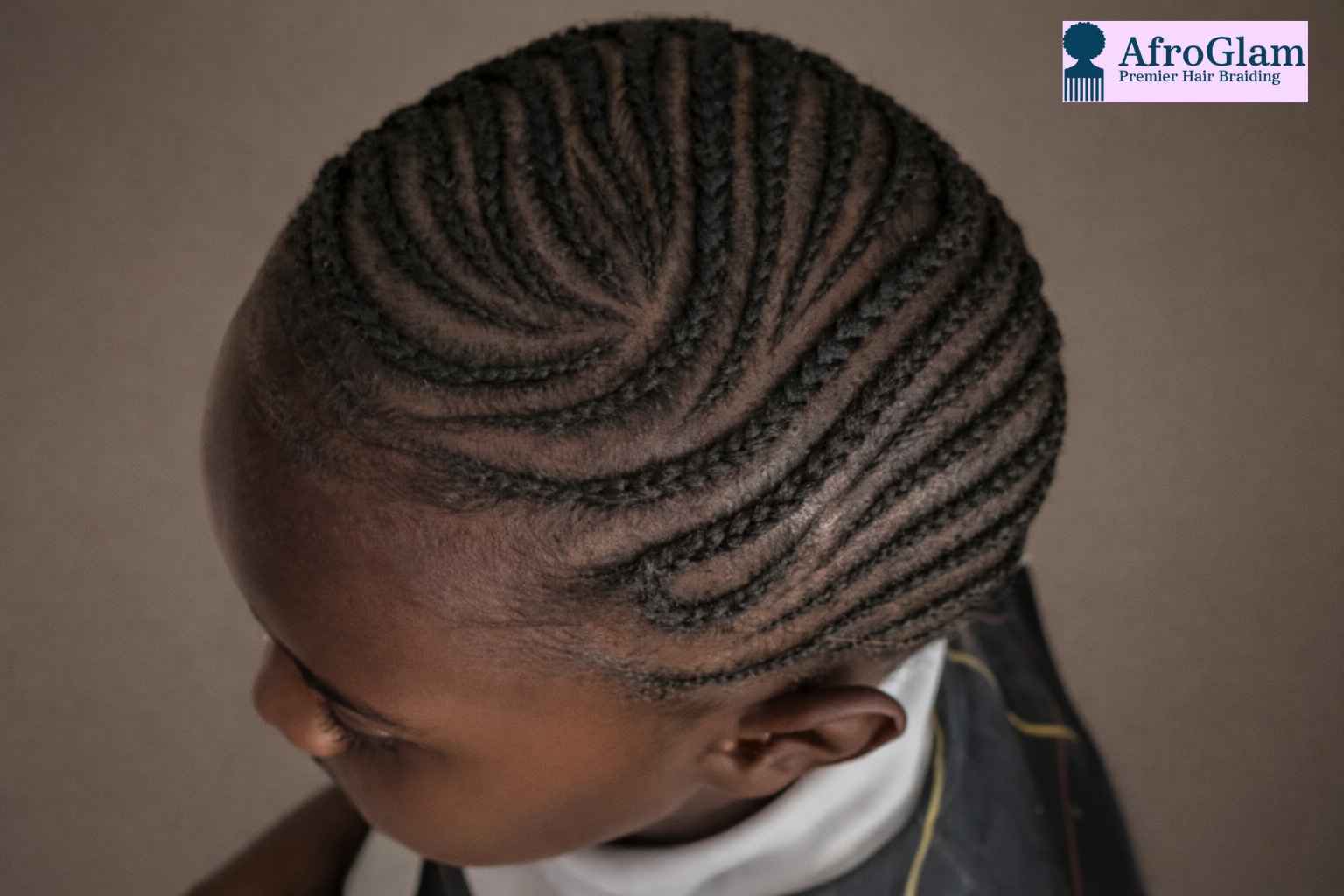
How to Care for Kids’ Cornrows Without Damaging Their Hair
Cornrows aren't just a hairstyle—they're a practical and cultural way to protect your child's natural hair. This guide is here to help parents, caregivers, and stylists keep kids' cornrows healthy and long-lasting without causing damage. We'll cover how to prep the hair and scalp, install cornrows safely, and maintain them daily. Plus, we'll share product tips and let you know when it's time to touch up or remove them. And if you prefer a professional touch, we've got links to our salon services right here for you.
1. Why Cornrows Are a Great Protective Style for Kids
1.1 Benefits of Cornrows
Cornrows are considered a protective style because they cut down on daily hair manipulation and shield hair from environmental stressors. This can help fragile hair stay stronger and grow longer. While cornrows alone don't guarantee hair growth, when done right and cared for properly, they minimize damage from everyday wear and tear. Curious about protective styles around the world? Check out this Wikipedia article for more insights.
1.2 Perfect for Active Kids
Cornrows are low-maintenance and stay put through physical activities, making them ideal for busy school days and sports. They allow kids to play freely without constant adjustments and protect hairstyles under hats and during naps. Parents love that cornrows require minimal daily effort. A simple satin bonnet or pillowcase at night can keep them neat, while a quick moisturizing routine keeps hair soft and manageable.
1.3 Cultural Significance and Confidence
Cornrows have deep cultural roots and can boost a child's sense of identity and pride. Talk to your kids about the history of this style and involve them in choosing their looks. It helps build respect for their heritage and boosts self-confidence. Let them express themselves with accessories and styling choices that keep hair healthy.
1.4 When Cornrows Work Best
Cornrows work well when hair is long and strong enough to form a braid foundation. If your child has a sensitive scalp, try gentler options like loose twists or braidless styles until the scalp heals. If you're unsure, our salon offers various kid-friendly styles. Check out our Kids Cornrows Braids for neat, age-appropriate options.
2. Preparing Hair and Scalp Before Installation
2.1 Check Hair Length and Readiness
Before booking a cornrow appointment, make sure your child's hair is at least five inches long for secure braiding. This helps prevent the need for frequent re-styling, which can stress the roots. For more guidance on hair care, check out resources like the Connecticut Department of Children and Families hair care manual.
2.2 Clean and Condition
A clean, conditioned foundation supports healthy braids. Use a gentle clarifying shampoo to remove product buildup, followed by a deep conditioner suitable for your child's hair texture. Detangle with a wide-tooth comb while the conditioner works its magic, avoiding any tugging that can weaken strands.
2.3 Scalp Check and Allergies
Examine the scalp for redness, flaking, or irritation before braiding. If anything seems off, consult a doctor to avoid making it worse. Also, check for product allergies, especially if your child is sensitive to fragrances or oils. Opt for hypoallergenic products to be safe.
2.4 Talk to Your Stylist
Discuss your child's comfort and any style preferences with your stylist before starting. Let them know if your child needs breaks during longer appointments. This helps avoid overtightening and ensures the style suits your maintenance routine. If you want to try tension-free methods, ask about options like knotless braids.
3. Best Practices for Braiding
3.1 Avoid Too Much Tension
Excessive tension is one of the main causes of scalp pain and hair loss. Braids should be snug but not painful. If your child feels discomfort, tell the stylist to make adjustments. Keeping communication open is key to finding the right balance between neatness and comfort.
3.2 Choose the Right Braid Size
Braid size matters! Smaller braids can irritate the scalp, while medium-to-large ones spread tension more evenly. Simpler patterns with medium-sized rows often work best for young children. Ask your stylist for advice on patterns that are both stylish and comfortable.
3.3 Protective Installation Techniques
Professional stylists use techniques that reduce friction during installation. This includes using leave-in conditioners and lubricating products. Knotless methods and feed-in techniques can also ease stress at the hair roots, especially for delicate scalps.
3.4 Manage Time and Breaks
Long styling sessions can be tough for kids. Schedule age-appropriate sessions or ask for breaks. Salons that specialize in kids' hair often offer faster installation techniques and child-friendly environments to make the experience positive.
4. Daily and Weekly Maintenance Routine
4.1 Moisturize Daily
Keep your child's hair moisturized with a water-based leave-in conditioner or braid spray. This helps prevent dryness and itching. Apply a light oil like jojoba or argan oil to the scalp to seal in moisture. Avoid heavy creams that can build up and cause irritation.
4.2 Prevent Itchiness
Itchy scalps can be a sign of dryness or product buildup. Apply a small amount of oil to the itchy area and massage gently. If itchiness persists, consult a professional. The American Academy of Dermatology offers guidance on managing scalp conditions in children.
4.3 Gentle Cleansing
Wash your child's scalp every 1-2 weeks with a diluted gentle shampoo. Use a nozzle applicator to focus on the scalp and rinse thoroughly. Follow up with a lightweight conditioner. You can also seek professional help for a thorough but gentle wash.
4.4 Nighttime and Weekend Care
At night, use a satin pillowcase or bonnet to reduce friction and maintain moisture. After swimming, rinse the braids and apply a light braid spray to prevent damage from salt or chlorine.
5. Choosing the Right Products
5.1 Water-Based Leave-Ins
Water-based leave-ins are essential for healthy braids. Look for products with ingredients like glycerin or aloe vera to improve moisture retention. Apply every few days, focusing on the roots and mid-lengths.
5.2 Light Oils
Use light oils like jojoba or argan to mimic natural sebum and seal in moisture. Apply sparingly along part lines, avoiding heavy oils that can cause buildup.
5.3 Avoid Heavy Products
Steer clear of heavy creams and waxy products that can build up between cornrows. These can trap dirt and irritate the scalp. Choose non-comedogenic products formulated for braided hair.
5.4 Kid-Friendly Product Checklist
Stock up on these essentials: a gentle sulfate-free shampoo, water-based leave-in conditioner or braid spray, lightweight oil, and a satin bonnet or pillowcase. Rotate products if you notice buildup or irritation.
6. Touching Up, Reinstalling, or Removing Cornrows
6.1 Ideal Duration
Keep cornrows in for no longer than four to six weeks to avoid tangling and hair loss. Regularly check for frizz, matted new growth, or thinning edges and plan for earlier removal if needed.
6.2 Signs It’s Time to Remove
Remove cornrows if you notice scalp soreness, open sores, or significant hair loss. Don't wait for a routine appointment if these signs appear. Early removal prevents further damage.
6.3 Professional Touch-Up Options
Touch-ups every two to three weeks can refresh edges and loose rows without a full reinstall. Ask your stylist about partial refreshes that target only loosened sections. Our Touch-Up Braids service offers gentle refreshes to maintain braid integrity.
6.4 Best Removal Practices
Remove cornrows carefully to avoid breakage. Use a conditioning detangler and gently unbraid with steady fingers or a wide-tooth comb. Follow with a restorative deep conditioning session.
7. Common Problems and Solutions
7.1 Itching and Flaking
If minor itching and flaking occur, try improving hydration with light oils. If it persists, consult a dermatologist. The American Academy of Dermatology offers advice on scalp conditions.
7.2 Traction-Related Hair Thinning
If you notice thinning or tender edges, remove tension-causing styles and let the scalp heal with gentle care. Professional assessment can recommend therapies to encourage recovery.
7.3 Synthetic Hair Irritation
Synthetic extensions can irritate sensitive scalps. Choose softer, high-quality fibers and apply lightly. If irritation persists, switch to natural hair braid options.
7.4 Buildup and Odor
For stubborn buildup, use a diluted clarifying shampoo and rinse thoroughly. If odor doesn't resolve, seek professional removal to inspect the scalp.
8. Local Resources and Services
8.1 Workshops and Training
In Houston, workshops educate parents about safe cornrow maintenance, focusing on tension management and gentle removal. These programs help caregivers understand when to seek professional help. Check local listings for events.
8.2 Salon Services for Kids
Look for salons that specialize in children's hair and offer services like kids' cornrow installations and gentle washing. Our service menu includes options like Kids Box Braids (5-9yrs) and Kids Box Braids (10-13yrs).
8.3 Workshop Success Stories
Attendees of Houston's salon workshops have reported fewer complaints of itching and longer-lasting braids. These workshops cover safe installation, product selection, and practical removal tips. Schedule a consultation for personalized guidance.
8.4 Final Checklist and Call-to-Action
Before your next cornrow appointment, ensure hair length is adequate, clean and condition the hair, communicate tension preferences, and plan for a moisturizing routine. For expert installations, consider booking a service with us. Explore our services like Kids Cornrows Braids and Cornrows for more options. Need a refresh or removal? Our Touch-Up Braids service can help.
Frequently Asked Questions
Q1: How often should I moisturize my child's cornrows?
Moisturize with a water-based braid spray every 2–3 days and apply a light oil to the scalp once or twice a week. Adjust based on the season and your child's scalp condition to avoid buildup.
Q2: Can cornrows cause permanent hair loss?
While cornrows themselves aren't damaging, tight braids and unsafe practices can lead to traction alopecia. Prevent this by avoiding overly tight braids, opting for medium-sized rows, and limiting wear time.
Q3: What should I do if my child’s scalp becomes red or sore after braiding?
If the scalp is irritated, loosen tight rows and apply light moisturizing oil. For severe symptoms, remove the style and seek professional advice.
Q4: Are extensions safe for kids’ cornrows?
Extensions can be safe if they're lightweight and applied with minimal tension. Discuss this with your stylist to decide if extensions suit your child's hair strength and age.
Conclusion and Next Steps
Taking care of kids' cornrows involves professional techniques, consistent home care, and monitoring scalp health. Prepare the hair properly, choose gentle installation methods, and use the right products. If you're in Houston and want professional help, AfroGlam Hair Braiding is here for you. Contact us or visit our studio for reliable services and kid-friendly styles like Knotless Braids and Cornrows.
Call to action: Protect your child’s hair with expert care—book a kids’ cornrow consultation with AfroGlam Hair Braiding today and get personalized maintenance tips to keep their hair healthy and happy.