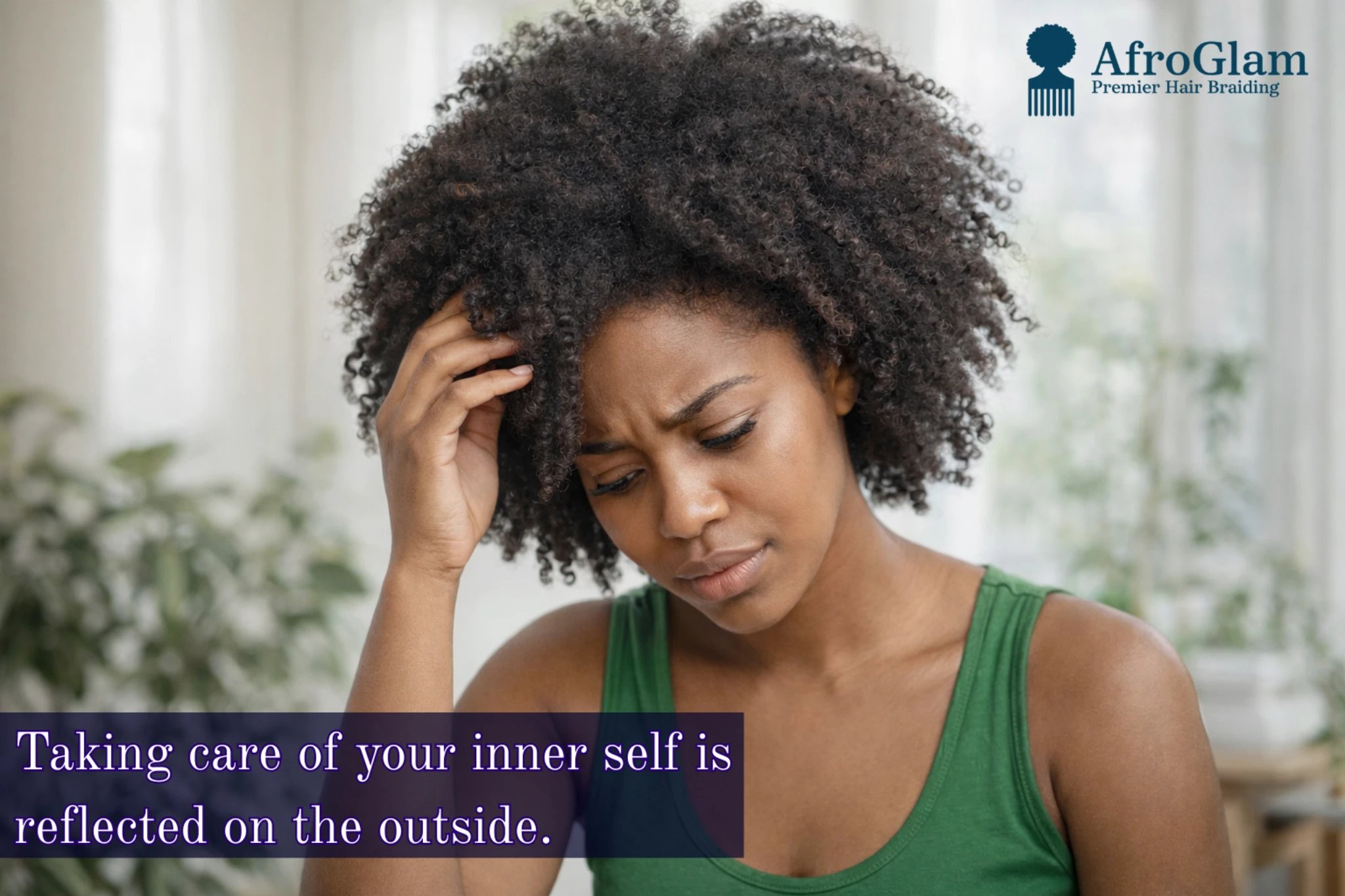
How Stress, Diet, and Lifestyle Influence Natural Hair Health
Introduction: Why a Holistic Approach Matters
Healthy natural hair starts below the surface. While shampoos, styling products, and braiding techniques are important, long-term hair vitality depends on a combination of stress management, balanced nutrition, and daily lifestyle choices. This guide pulls together current trends, research insights, and practical salon-backed advice so you can treat hair the same way you treat skin: as part of a whole-body wellness routine.
Throughout this article we’ll explain the biology of the hair growth cycle, detail how chronic stress and nutrient gaps affect follicles, and walk you through realistic lifestyle changes you can make right now. You’ll also find salon-forward maintenance strategies—including protective styling and scalp care—that align with modern holistic hair-care trends. If you’re ready for professional help, we recommend styles like knotless braids that protect the hair while offering a low-manipulation, natural look.
This guide blends expert insights, statistics about market and hair-loss prevalence, and real-world case studies to give you a clear plan for healthier hair. Expect practical tips, step-by-step routines, and troubleshooting for common problems like breakage, shedding, and thin edges. Let’s get started.
Understanding the Hair Growth Cycle
Hair Growth Phases: Anagen, Catagen, Telogen
Hair grows in cycles. The anagen phase is the active growth period when follicles produce new hair cells; this phase can last years. The catagen phase is a brief transition when growth stops and the follicle prepares to rest. Finally, the telogen phase is the resting period when old hairs shed to make way for new growth. Understanding these phases helps explain why temporary changes—like stress or illness—can cause a delayed but noticeable increase in shedding.
When too many hairs enter telogen prematurely, you can experience a condition called telogen effluvium, which often presents as diffuse shedding rather than distinct patches. Because the hair cycle is staggered across follicles, shedding may appear weeks or months after the triggering event, making it crucial to consider past stressors or diet changes when troubleshooting hair loss.
Scalp Health as the Foundation
The scalp provides the environment in which hair follicles function. A balanced scalp supports the hair growth cycle; clogged pores, chronic inflammation, or repeated irritation can weaken follicles over time. That’s why modern hair care is paying more attention to the scalp, with treatments that mirror skincare routines—gentle cleansing, exfoliation, and targeted nutrition—so follicles can thrive.
Scalp circulation, hydration, and microbiome balance are all important. Simple practices like regular, gentle cleansing, targeted scalp massages, and using non-comedogenic products can support a healthier follicle environment and reduce the risk of inflammation-related shedding.
How Stress and Hormones Interact with the Cycle
Stress is a powerful modifier of the hair cycle. Acute or chronic stress raises cortisol and can disrupt normal follicle signaling, pushing hairs into the telogen phase prematurely. Research explained in reputable outlets highlights how stress-related conditions correspond with noticeable hair shedding, and why relieving stress is frequently recommended alongside topical or nutritional treatments to recover hair growth (Newsweek explanation on stress and hair).
Because hormonal fluctuations also influence hair, it’s important to assess stress in tandem with other factors like thyroid health and iron levels. A holistic assessment—considering lifestyle, nutrition, and medical history—gives the most accurate picture when addressing hair concerns.
Stress and Natural Hair: Mechanisms and Management
Telogen Effluvium and Chronic Stress
Telogen effluvium is one of the most common hair-shedding responses to physiological or psychological stress. Events such as major life changes, surgery, severe illness, or ongoing emotional strain can trigger a significant portion of hair follicles to enter the telogen phase at once, causing diffuse thinning. This condition often resolves once the underlying stressor is addressed, but recovery can take several months due to the hair growth cycle timing.
Diagnosis often begins with a thorough history and sometimes blood work to rule out nutritional deficiencies or hormonal imbalances. Management focuses on eliminating or reducing the stressor where possible, optimizing nutrition, and supporting scalp health to encourage follicles back into the anagen phase.
How Stress Affects Styling Choices and Manipulation
Stress can also change how you care for your hair. When stressed, people may over-manipulate hair, skip routine maintenance, or rely on quick fixes that increase damage—tight buns, frequent heat, or harsh chemical treatments. These behaviors compound physiological effects and accelerate breakage or traction-related loss. Mindful styling—choosing gentler protective options and scheduled maintenance—reduces mechanical stress on fragile hair.
Salon professionals often recommend low-manipulation protective styles during high-stress periods, combined with regular gentle cleansing and scalp massages to encourage blood flow. For example, consider low-tension braids that protect strands without pulling excessively on the roots.
Stress-Reduction Strategies Backed by Science
Stress management is both preventive and restorative. Techniques such as mindfulness meditation, deep-breathing exercises, progressive muscle relaxation, and consistent sleep routines lower cortisol over time and reduce the risk of telogen effluvium. Exercise plays a dual role: it improves circulation—beneficial for the scalp—and reduces stress hormones.
Consulting with mental health professionals when stress is severe or chronic is important. Combining psychological support with hair-specific interventions produces the best outcomes. Small, consistent habits—10–20 minutes of daily relaxation, a sleep schedule, or a weekly scalp massage—deliver measurable benefits for hair health over months.
Nutrition: The Building Blocks of Strong Natural Hair
Key Nutrients for Hair Follicle Function
Hair is a living tissue and requires a variety of vitamins and minerals to maintain growth and strength. Biotin (vitamin B7), vitamin E, vitamin D, iron, zinc, and adequate protein intake are repeatedly linked to healthy follicles. While isolated supplement promises are over-sold, consistent dietary intake of these nutrients supports optimal follicle function and immune regulation around the scalp.
Iron deficiency, in particular, is commonly associated with hair thinning in women and should be evaluated clinically when shedding is significant. Working with a healthcare provider to assess blood markers ensures safe and targeted supplementation when deficiencies are present.
Practical Meal Ideas and Daily Targets
Incorporating nutrient-dense whole foods into everyday meals is the most reliable route to support hair. Aim for lean proteins (fish, chicken, legumes), leafy greens (spinach, kale), nuts and seeds for vitamin E and zinc, and iron-rich foods like red meat or fortified grains if you consume them. Whole-food sources provide synergistic nutrients and fiber that supplements alone cannot replicate.
Sample daily plan: breakfast with eggs and spinach, a mid-morning handful of almonds, lunch with grilled salmon and quinoa, an afternoon snack of Greek yogurt with berries, and a dinner rich in legumes and roasted vegetables. These choices offer balanced macro and micronutrients that support hair growth over time.
Supplements: When They Help and When to Be Cautious
Supplements can fill gaps but aren’t a cure-all. Biotin supplements are popular but are most effective when a deficiency exists. Excessive intake of certain nutrients can be harmful or mask other issues. For example, very high vitamin A might actually promote shedding in some cases, and iron supplementation without a documented deficiency can cause problems.
Before starting supplements, get targeted blood tests (iron panel, vitamin D, thyroid) and consult a healthcare provider. A professional can recommend appropriate dosing and monitor for interactions, especially if you’re taking other medications or have underlying health conditions.
Lifestyle Factors That Shape Hair Health
Sleep, Exercise, and Circulation
Sleep and exercise indirectly influence hair by supporting hormonal balance and circulation. Poor sleep increases stress hormones and inflammation, which can negatively impact follicles over time. Regular moderate exercise improves scalp blood flow, supporting nutrient delivery to hair roots and promoting healthier growth.
Establishing a sleep routine and incorporating at least 150 minutes of moderate physical activity per week are public-health recommendations that also benefit hair. Even brisk walking or yoga improves overall circulation and reduces stress—both helpful for maintaining hair density and strength.
Environmental Exposures and Chemical Stressors
Pollution, harsh UV exposure, and repeated chemical treatments can damage the hair shaft and irritate the scalp. These environmental stressors accelerate moisture loss and make hair more prone to breakage. Minimizing harsh processing and protecting hair from sun and pollutants will preserve strength and appearance.
Choose UV-protective hats or scarves when spending long periods outside, and limit chemical relaxers or excessive bleaching. If you use color or chemical processes, space them out and follow with robust conditioning and salon-recommended restorative treatments to prevent cumulative damage.
Substances: Smoking, Alcohol, and Hydration
Smoking impairs circulation and increases oxidative stress, both of which have downstream effects on hair. Excessive alcohol consumption can deplete essential nutrients and disrupt sleep, compounding hair-health risks. Conversely, staying well-hydrated supports scalp health and helps maintain hair elasticity and shine.
Practical steps include reducing smoking and alcohol intake, increasing daily water consumption, and prioritizing whole-food nutrition. These small, sustainable changes create a supportive environment for hair to flourish.
Protective Styling: Benefits, Best Practices, and Pitfalls
Why Protective Styles Work
Protective styles intentionally minimize daily manipulation and reduce exposure to environmental stressors. Styles like box braids, twists, and locs keep ends tucked away and lower the chance of breakage from constant combing or heat styling. When done correctly—without excessive tension—these styles can support length retention and hair thickness over time.
It’s important to choose protective styles that match your hair density, elasticity, and lifestyle. Overly tight braids or heavy extensions can create traction alopecia, so communication with a skilled stylist is critical to ensure the style is both protective and safe.
Maintenance Tips for Long-Lasting, Healthy Protective Styles
Maintain protective styles by practicing gentle scalp care, moisturizing the hair shaft, and scheduling periodic touch-ups. Use a lightweight, hydrating oil or leave-in treatment to keep hair pliable and prevent dryness at the nape and edges. Clean the scalp regularly to avoid buildup, and don’t leave styles in for too long; most protective styles benefit from a 6–8 week rotation schedule.
If you choose box braids or other long-term styles, consider professional maintenance like a gentle box braids install and periodic touch-up braids to refresh the parts and reduce tension on new growth. These small investments extend style life while preserving hair health.
Common Pitfalls: Tension, Weight, and Time
Three common protective-style mistakes are excessive tension at installation, heavy added hair that pulls on follicles, and leaving styles in for too long. These errors increase the risk of traction alopecia and thinning around the hairline. Communicate openly with your stylist about tension, and choose lighter hair options when possible.
For clients concerned about long-term health, low-tension options like kinky twists or knotless techniques minimize stress on follicles. Regularly inspect your scalp for signs of irritation or localized thinning and remove styles early if you notice consistent discomfort or breakage.
Scalp Care and Holistic Hair Practices
Scalp Treatments, Cleansing, and Exfoliation
Scalp care is now front and center in hair health conversations. Gentle exfoliation to remove dead skin and product buildup, strategic use of clarifying shampoos, and periodic deep-conditioning treatments can restore a healthy scalp environment. These practices support the hair cycle and reduce factors that might otherwise lead to thinning.
Professional salons offer targeted scalp treatments that combine mechanical stimulation (massage) with nourishing serums to improve circulation and reduce inflammation. If you’re managing particular scalp conditions—dandruff, psoriasis, or dermatitis—consult a dermatologist for tailored treatment in addition to salon care.
Product Selection: Ingredients to Embrace and Avoid
Choose products with ingredients that support moisture balance and avoid harsh sulfates, drying alcohols, and heavy silicones that can build up on the scalp. Look for humectants (glycerin, panthenol), light oils (jojoba, squalane), and ceramides or protein-infused conditioners that strengthen the hair shaft without causing buildup.
Patch-test new products and introduce one change at a time to monitor reactions. When in doubt, ask your stylist for recommendations based on your hair porosity and scalp sensitivity. Salons like AfroGlam combine professional application with personalized product guidance to help clients make the best choices for their hair type.
Holistic Rituals: Massage, Aromatherapy, and Routine
Simple rituals amplify results. Scalp massages—performed for 5–10 minutes several times a week—increase blood flow and can be combined with calming essential oils like lavender to reduce stress. These rituals are quick, low-cost, and can be integrated into bedtime routines to support relaxation and hair health simultaneously.
Holistic salons are increasingly integrating these treatments as add-ons, pairing practical hair-care steps with wellness-focused experiences—reflecting the industry trend toward treating hair as part of overall health.
Case Studies, Trends, and Local Examples
Industry Trends: Scalp Care and Holistic Hair Practices
The hair and scalp care market continues to grow rapidly as consumers prioritize preventive and restorative products. Industry reports show robust expansion of scalp-targeted products and professional treatments, indicating a sustained shift toward holistic care. Salons that adopt these practices can better meet client expectations for comprehensive hair health services.
At AfroGlam Hair Braiding in Houston, our services reflect this shift: from protective installations to scalp-focused treatments and educational consultations. We combine three decades of braiding expertise with modern, health-forward approaches to help clients maintain their natural hair in optimal condition.
Real-World Examples: Advocacy and Salon Success Stories
Real-world stories illustrate the importance of access and education. The legal and cultural changes surrounding hair braiding—highlighted by advocates like Isis Brantley—show why safe, professional braiding services matter for both cultural expression and hair health. Salons that emphasize healthy techniques and client education help prevent damage and support community wellness.
Local salons that specialize in natural hair, such as those offering knotless or boho styles, help clients adopt protective practices while providing tailored maintenance advice. When clients follow professional guidance—regular cleansing, scheduled touch-ups, and appropriate protective styles—they consistently report improved retention and reduced breakage.
Statistics and What They Mean for You
Market data underscores consumer focus: the global hair and scalp care market was recently valued in the tens of billions and is projected to expand substantially over the next decade. Meanwhile, prevalence statistics show that androgenic alopecia affects a significant portion of adults, which underscores the importance of early attention to scalp and hair health. These trends reinforce the value of preventive care, stress management, and nutrition as long-term strategies rather than quick fixes.
When you combine personal care routines, professional salon services, and medical guidance when needed, you create a resilient approach that adapts as your hair and life circumstances change.
Practical FAQ and Troubleshooting
Why am I shedding more than usual?
Increased shedding can result from recent stress, a sudden change in diet, recent illness, or hormonal shifts. Because the hair cycle is delayed, you may notice shedding weeks or months after the trigger. Start by reviewing recent life changes and scheduling a clinical check (iron levels, thyroid) if shedding is significant or persistent. Addressing root causes—stress reduction, nutritional improvements, scalp care—supports recovery.
If you’re unsure where to start, a salon consultation combined with medical screening is a good first step. At AfroGlam, our stylists provide personalized maintenance plans and can refer clients to trusted healthcare professionals when nutritional or medical factors are suspected.
How often should I wash protective styles and how do I refresh them?
Washing frequency depends on your scalp oiliness and activity level. For many clients, a gentle cleanse every 1–2 weeks is sufficient to remove sweat and product buildup without disrupting the style. Use diluted shampoos or no-rinse cleansers designed for protective styles and ensure the scalp is thoroughly rinsed to prevent residue-related irritation.
To refresh styles, schedule professional touch-ups to tidy parts and reduce tension. If you prefer home care, use a lightweight oil spray to maintain moisture between salon visits and avoid heavy products that accumulate on the scalp. For professional attention, book a deep cleanse or maintenance service to extend the life of your style while protecting new growth (hair wash).
When should I see a doctor or dermatologist?
Seek medical evaluation if you notice sudden, patchy hair loss, scalp sores, intense itching, or if shedding is severe and persistent. A dermatologist can run targeted tests and determine whether autoimmune, infectious, or systemic causes are contributing. Early clinical assessment accelerates targeted treatment and improves outcomes.
Remember that many hair concerns benefit from combined approaches: clinical treatment for medical causes, nutrition adjustments for deficiency-related problems, and salon-based maintenance for mechanical protection.
Actionable 30-, 60-, and 90-Day Hair Health Plans
30-Day: Foundations and Quick Wins
Focus on immediate stress reduction, hydration, and gentle scalp care. Start a simple routine: 7–8 hours of sleep per night, three 10-minute stress-management sessions per week, and a balanced meal plan emphasizing protein, leafy greens, and healthy fats. Replace aggressive styling with gentle, low-tension protective styles and schedule a professional consultation to assess hair and scalp condition.
Book a scalp-friendly service like a gentle install or cleansing treatment to evaluate technique and product compatibility. Small wins in this period include improved scalp comfort, reduced daily breakage, and a better understanding of nutritional gaps.
60-Day: Build Consistency and Correct Deficiencies
After 30 days, incorporate corrective steps based on initial findings: add targeted supplements if bloodwork shows deficiencies, continue stress-management practices, and introduce weekly scalp massages. Reassess your protective-style rotation to prevent overuse and plan for professional maintenance appointments every 6–8 weeks.
By day 60 you should notice improved texture, less breakage, and calmer scalp conditions. Track changes with photos and a simple journal logging sleep, diet, and stressors to correlate improvements with lifestyle adjustments.
90-Day: Monitor and Optimize Long-Term Habits
At 90 days, evaluate outcomes and refine your plan. Hair growth is gradual, but consistent nutrition, sleep, and low-manipulation styling significantly increase the chances of improved retention and density. Consider advanced salon treatments or therapeutic scalp sessions if you need targeted support, and maintain a regular check-in with your healthcare provider for long-term concerns.
Long-term success relies on sustainable habits: rotating protective styles, routine scalp care, balanced nutrition, and ongoing stress management. Partnering with a trusted salon helps keep your plan on track with professional guidance and timely maintenance services.
Conclusion and Call to Action
Stress, diet, and lifestyle each play measurable roles in natural hair health. While topical products and styling techniques are important, the most durable improvements come from addressing the internal and behavioral factors that affect follicles and the scalp environment. By combining stress reduction, nutrient-rich eating, consistent sleep and exercise, and salon-supported protective styling, you can create a resilient routine that supports long-term hair vitality.
If you’re in Houston and ready to take the next step, AfroGlam Hair Braiding offers expert consultations, protective installations like box braids, gentle maintenance services such as cornrows, and restorative care including professional hair washes and touch-up appointments. Our team blends 30+ years of braiding expertise with modern scalp and wellness practices tailored to your needs.
For evidence-based background on stress and hair interactions, see this overview from reliable sources and summaries of clinical findings (National Institutes of Health). For a general reference on the hair growth cycle, the Wikipedia entry provides a clear primer (Hair growth — Wikipedia). If you’re ready to schedule a personalized consultation or book a service, visit our website at theafroglam.com or call (346) 430-9350. We’re here to help you create a practical, effective plan for healthier natural hair.
Take action today: start a 30-day hair-health plan, book a scalp consultation, or try a low-tension protective style to lower manipulation and support new growth. Your hair reflects your whole-body health—treat it with the care it deserves.
Resources and Further Reading
- Newsweek: What Your Hair Cycle Says About Stress
- National Institutes of Health (NIH) — authoritative health resources on stress, nutrition, and hair-related studies
- Hair growth — Wikipedia
- AfroGlam Hair Braiding Services and consultations: theafroglam.com